Paper making machines are the core technology that transforms pulp into finished paper, making them vital to the industry. A paper making machine takes pulp and guides it through the paper manufacturing process, changing it from a liquid mixture into solid sheets. These machines support modern manufacturing by improving product quality and promoting sustainability.
Larger and newer paper making machines have lowered operating costs and increased energy efficiency.
Industry leaders use high-capacity machines to optimize the paper manufacturing process, driving global shifts and consolidation.
Key Takeaways
Paper making machines turn pulp into strong, uniform sheets by controlling fiber spread, water removal, and drying.
The paper manufacturing process includes pulp preparation, sheet forming, pressing, drying, and finishing to create quality paper.
Modern machines use automation and sensors to boost production speed, reduce waste, and maintain consistent paper quality.
Recycling and eco-friendly materials play a big role in making paper production more sustainable and energy-efficient.
Advances in technology and environmental practices help the paper industry produce better paper while protecting natural resources.
What Is a Paper Making Machine
Machine Function
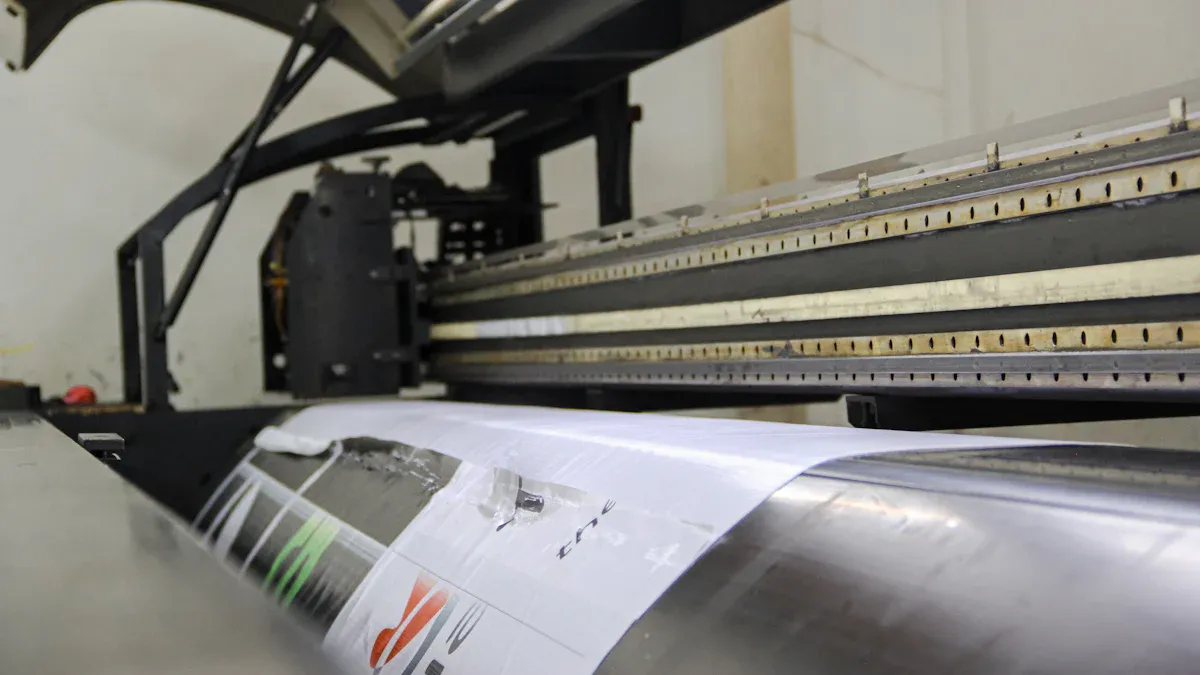
A paper making machine stands at the heart of the paper manufacturing process. This machine transforms pulp, which comes from wood fibers, into continuous sheets of paper. The process begins when the machine receives a slurry of pulp and water. The machine spreads this mixture onto a moving wire mesh, forming a thin mat of interlocked wood fibers. As the paper manufacturing process continues, the machine removes water from the mat through draining, pressing, and drying. Each stage of the paper manufacturing process shapes the pulp into a strong, uniform sheet. The paper making machine also applies surface treatments, such as smoothing and coating, to improve the final product. These functions set the paper making machine apart from other industrial machines, as it manages the flow, distribution, and transformation of pulp and wood fibers at every step.
The paper manufacturing process relies on the paper making machine to control fiber distribution, water removal, and sheet formation, ensuring high-quality paper from raw pulp.
Key Components
Modern paper making machines use several key components to complete the paper manufacturing process efficiently. Each part plays a specific role in turning pulp and wood fibers into finished paper. The table below outlines the main components and their functions:
Component | Role |
Headbox | Spreads pulp slurry evenly onto the wire mesh, ensuring uniform sheet characteristics. |
Wire Section | Forms the fiber mat and removes water from the pulp. |
Press Section | Presses the sheet to remove moisture and bond wood fibers. |
Drying Section | Uses heated cylinders to evaporate remaining water, reducing moisture content. |
Reel Section | Winds the dried paper onto reels, maintaining tension and quality. |
The headbox starts the paper manufacturing process by distributing the pulp. The wire section forms the initial sheet from wood fibers. The press section compacts the sheet and removes water. The drying section uses heat to finish drying the pulp mat. The reel section collects the final product. Each component ensures the paper manufacturing process runs smoothly, turning pulp and wood fibers into usable paper.
How Does a Paper Making Machine Work
The papermaking process uses a series of steps to transform pulp into finished paper. Each stage of the paper manufacturing process plays a vital role in shaping the final product. The journey from pulp to final product involves careful control and advanced technology.
Pulp Preparation
The paper manufacturing process begins with pulp preparation. Workers mix pulp, which comes from wood fibers or recycled paper, with water to create a slurry. This pulping process breaks down raw materials and removes impurities. The slurry must reach the right consistency for the next stage. Operators monitor the pulp to ensure it meets quality standards. The pulping process can use virgin fibers or recycled content, depending on the desired paper grade. The prepared pulp flows into the headbox, ready for sheet formation.
Note: Proper pulp preparation ensures strong, uniform paper and reduces waste during paper production.
Forming Section
The forming section marks the start of sheet creation in the paper manufacturing process. The headbox spreads the pulp slurry evenly onto a moving forming fabric, also called a wire mesh. This mesh supports the fibers as water drains away. The forming fabric moves quickly, helping fibers interlock and form a thin mat. Operators adjust the speed and tension to control sheet thickness and uniformity. The forming section shapes the pulp into a continuous web, setting the foundation for the rest of the papermaking process. Water removal at this stage is crucial for strong paper.
Sequence of Operations in Industrial Paper Making Machines:
Pulp is diluted in water to create a slurry.
The slurry enters large paper machines that form continuous sheets.
The formed sheets move to the next stage for drying.
The dried paper is rolled into jumbo rolls.
Additional finishing steps, such as calendering and coating, may be applied.
The base paper rolls are sent to converting plants for cutting or shaping into finished goods.
These plants may operate within the same company or as part of a larger group.
Pressing Section
The pressing section removes excess water from the paper web. Pressure forces water out of the sheet and into press felts. These felts carry water away, leaving the paper stronger and drier. Technologies such as Uhle boxes use vacuum to pull water from the web. Nip dewatering pushes water through felts into roll grooves, where centrifugal force expels it. Operators use advanced press felts, roll covers, and shoe press belts to optimize water removal. Adjusting nip pressure and felt alignment improves efficiency. Regular maintenance of felts and rolls keeps the pressing section running smoothly. The pressing section increases dryness and improves paper strength, preparing the sheet for the next stage of the paper manufacturing process.
Pressing techniques include suction pressing, shoe pressing, and nip pressing.
Fabrics and roll covers must have the right surface and permeability.
Technologies like the Valmet Advantage ViscoNip press reduce energy use and improve drying.
Drying Section
The drying section uses heated cylinders to evaporate remaining moisture from the paper web. The paper travels over a series of dryers, which apply heat evenly. Operators monitor temperature and speed to prevent defects. The drying section reduces moisture content to the desired level for paper production. Proper drying ensures the paper will not warp or tear. The dried sheet moves toward the finishing area, ready for final touches. The paper manufacturing process relies on efficient drying to produce high-quality rolls.
Finishing Touches
Finishing touches complete the transformation from pulp to final product. The paper manufacturing process may include calendering, which smooths the surface, and coating, which adds special properties. The finished roll is wound onto reels, maintaining tension and quality. Workers inspect the rolls for defects and prepare them for shipment. Some rolls go to converting plants, where machines cut or shape them into products like boxes or tissue. The papermaking process ends when the paper reaches its final form, ready for use in homes, schools, and businesses.
Tip: Consistent finishing ensures the paper meets customer needs and industry standards.
Papermaking Process in Industry
How Paper Is Made
The paper manufacturing process in industry follows a series of well-defined steps. Workers begin by collecting raw materials such as wood chips or recycled paper. They process these materials into pulp using mechanical or chemical pulping. The pulp then undergoes bleaching to improve brightness and quality. Next, the bleached pulp is spread onto a paper making machine, where it forms an initial paper web on a moving wire mesh. The web is pressed to remove excess water and increase strength. After pressing, the paper sheets are dried to ensure stability and durability. Quality control checks monitor fiber content, thickness, moisture, and strength. Recycled paper is deinked and cleaned before blending with virgin pulp. The final paper is cut into required sizes and may receive surface treatments or coatings, depending on the intended use.
Collect raw materials (wood chips or recycled paper)
Produce pulp through mechanical or chemical pulping
Bleach pulp for brightness and quality
Spread pulp onto a paper making machine to form a web
Press the web to remove water and strengthen the sheet
Dry the paper sheets for stability
Perform quality control checks
Incorporate recycled paper after deinking and cleaning
Cut and finish paper products as needed
This sequence answers the question, "how is paper made," and highlights the importance of each step in the papermaking process.
Paper Making Efficiency
Modern paper manufacturing process technology has transformed paper production efficiency. Large-scale mills operate at or near their design capacity, often producing up to 5,000 tons of paper per day. Automated controls and IoT sensors enable real-time monitoring and process optimization, reducing downtime and waste. Machine learning and AI support adaptive adjustments and predictive maintenance, which improves uptime and product quality. Efficient components like the headbox, wire section, press section, and dryer section all contribute to faster and more reliable paper production. Innovations in converting machinery and eco-friendly designs further reduce energy use and operational costs.
Aspect | Contribution to Production Efficiency |
Automated Controls & IoT | Real-time monitoring, process optimization, reduced downtime and waste |
Machine Learning & AI | Adaptive adjustments, predictive maintenance, improved product quality |
Efficient Components | Faster forming, pressing, and drying, higher throughput |
Eco-friendly Designs | Lower energy use, reduced waste, sustainability goals |
High-capacity mills benefit from economies of scale, making the paper manufacturing process more cost-effective and sustainable.
Quality and Innovation
Quality control and innovation drive the modern paper manufacturing process. Continuous online measurement of key paper properties, such as basis weight, moisture, and caliper, ensures consistent quality. Advanced sensors scan across the paper web, providing real-time data for immediate adjustments. Integration with distributed control systems allows automated control and optimization of paper production. Recent innovations include high-performance infrared moisture sensors and dual-sided fiber orientation measurement, which enhance precision and reduce variability. Upgrades like new drive systems and advanced refiners improve operational efficiency and paper quality. Surface sizing, coating, and calendering technologies enhance the appearance and performance of finished paper products. Automation reduces human error, increases consistency, and supports adherence to industry standards. These advancements ensure that the paper manufacturing process delivers high-quality paper products for a wide range of uses.
Sustainability in Paper Making
Environmental Practices
The paper manufacturing process has evolved to include many environmental practices that help reduce resource consumption. Companies now use digitalization to limit the need for physical documents. Electronic signatures allow people to sign papers online, which studies show can lower paper use by 30 to 50 percent. Cloud storage lets organizations share and store files without printing, cutting down on transportation and filing. These changes help the paper manufacturing process become more efficient and sustainable. Many mills also use cleaner energy sources and heat recovery systems to improve energy efficiency. Advanced drying technologies and the use of non-virgin pulp further support resource conservation.
Sustainable sourcing relies on certifications like FSC and PEFC, which ensure responsible forest management and traceability throughout the supply chain.
Recycling and Waste
Recycling plays a major role in the paper manufacturing process. Globally, about 55 percent of paper production uses recycled pulp as a primary input. Western Europe leads with nearly 75 percent recycled paper production. Paper making machines help recycle pulp by using pulpers to turn waste paper into reusable material. Automated impurity removal systems increase fiber recovery rates and reduce downtime. Conveyor systems and balers optimize material handling, while automation technologies improve sorting precision and minimize equipment downtime. Dewatering processes remove excess water from pulp, improving paper quality and production efficiency. Automated waste handling, such as shredders and air systems, streamlines disposal and reduces risks. Digital tools and AI technologies track waste generation, enable predictive maintenance, and improve quality control, all supporting waste reduction in the paper manufacturing process.
Eco-Friendly Materials
Modern paper manufacturing process technology uses eco-friendly materials to reduce environmental impact. Mills often choose recycled pulp from previously used paper products, which saves trees and lowers energy and water consumption. Technological advances have improved recycled paper quality so it matches virgin paper in performance and versatility. Innovative materials like cellulose fibers and lignocellulose nanofibrils offer strong, lightweight, and biodegradable options. Sustainable laminates made from bio-based resources, such as polylactic acid, provide reduced environmental impact but may have lower thermal resistance than traditional materials. Eco-friendly coatings use water-based or bio-derived formulas to reduce harmful emissions. Certifications and eco-labels help verify the environmental benefits and reliability of these materials. The paper manufacturing process continues to balance sustainability with functional performance, supporting a greener future.
Paper making machines drive the paper manufacturing process by converting pulp into finished sheets with speed and precision. These machines streamline the paper manufacturing process through automated pulp scattering, water extraction, drying, and cutting, which boosts efficiency and reduces manual labor. The paper manufacturing process now benefits from AI and digital monitoring, improving quality and minimizing waste. Sustainability advances in the paper manufacturing process include energy-saving technologies, recycled materials, and eco-friendly practices. The future of the paper manufacturing process will see more automation, smarter machines, and greater environmental responsibility, ensuring continued progress for the industry.
FAQ
What is the main purpose of the paper manufacturing process?
The paper manufacturing process turns raw pulp into finished paper. This process uses machines to form, press, dry, and finish the paper. Each step ensures the final product meets quality standards for strength and appearance.
How do paper machines improve the paper manufacturing process?
Paper machines automate the paper manufacturing process. They control pulp flow, water removal, and sheet formation. Automation increases speed, reduces waste, and helps produce consistent, high-quality paper for many uses.
Why is water removal important in the paper manufacturing process?
Water removal shapes the paper and gives it strength. The paper manufacturing process uses pressing and drying to take out water. This step prevents defects and prepares the paper for finishing and cutting.
How does recycling fit into the paper manufacturing process?
Recycling adds used paper back into the paper manufacturing process. Mills clean and break down recycled paper into pulp. This step saves resources, lowers costs, and supports sustainability in the industry.
What role does technology play in the modern paper manufacturing process?
Technology improves the paper manufacturing process by adding sensors, automation, and real-time controls. These tools help mills monitor quality, reduce downtime, and make quick adjustments for better efficiency and product consistency.