In the modern world of packaging, efficiency and cost-effectiveness are key considerations for businesses aiming to streamline operations. One of the machines that has become integral to high-speed packaging lines is the flow wrapping machine. This machine is a workhorse in industries such as food, pharmaceuticals, cosmetics, and electronics, known for its ability to quickly and securely package products. The stretch wrapping machine is also often used in conjunction with flow wrapping, creating a robust system for packaging multiple product types. But what exactly is a flow wrapping machine used for? Let’s explore the answer in detail.
What is a Flow Wrapping Machine?
A flow wrapping machine is a type of automated packaging system that wraps products in a flexible, heat-sealable film. It is primarily used for packaging products in a sealed, tight, and often aesthetically pleasing manner. The machine works by feeding a continuous roll of film, wrapping it around a product, and then sealing both ends of the package. This process results in a protective, often transparent, wrapper that maintains product integrity and presentation.
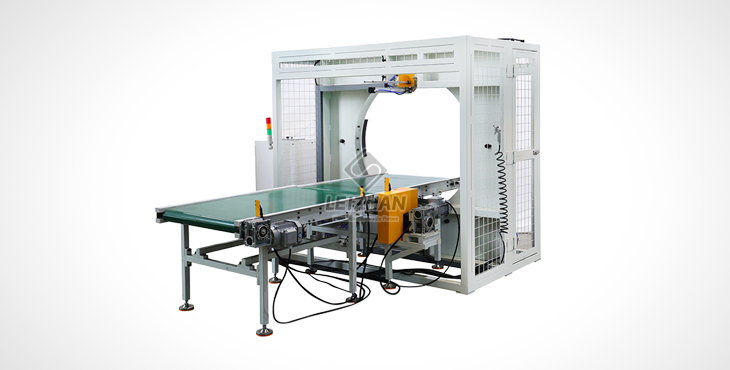
How Does a Flow Wrapping Machine Work?
The flow wrapping machine operates through a series of mechanical steps, starting with the positioning of the product onto the film. The film is then pulled around the product, forming a tube-like structure. The machine’s heat-sealing mechanism is used to close both ends of the tube, creating a secure package. This process is continuous and highly efficient, making it ideal for high-speed production lines.
Here is a breakdown of the flow wrapping process:
Product Placement: Products are fed into the machine on a conveyor belt.
Film Wrapping: A continuous roll of film is unwound and wrapped around the product.
Sealing: Heat-sealing jaws close the ends of the package, ensuring an airtight seal.
Cutting: The film is cut to separate individual packages, and the product is ejected from the machine.
Types of Flow Wrapping Machines
While flow wrapping machines share the same basic principle, they come in various forms, depending on the product being packaged. The most common types include:
Horizontal Flow Wrapping Machines: The product enters the machine horizontally, and the film is wrapped around it in the same direction.
Vertical Flow Wrapping Machines: These machines are used for packaging products that are small and need to be wrapped from a vertical angle.
The flexibility of flow wrapping machines allows them to package a wide range of items, from food products like candies and biscuits to non-food items such as soap bars and consumer electronics.
What are the Uses of a Flow Wrapping Machine?
A flow wrapping machine is versatile, offering various applications across industries. Below, we delve into the main uses of these machines.
Food Packaging
Flow wrapping machines are extensively used in the food industry, where the need for hygiene, freshness, and speed is paramount. The machine’s ability to create sealed packaging prevents contamination, extends shelf life, and protects products during transport. Common food products packaged using flow wrapping machines include:
Biscuits and Cookies: The machine wraps these items in film to prevent breakage and contamination.
Candy Bars: The machine wraps individual candy bars in flow wraps, making them more presentable and easier to handle.
Fresh Produce: Items like fruits and vegetables are often packaged in flow wraps to maintain freshness.
Pharmaceutical Packaging
The pharmaceutical industry requires strict packaging standards to ensure the safety and integrity of medicinal products. Flow wrapping machines are used to package items like:
Consumer Goods and Electronics
Flow wrapping machines are also commonly used for packaging consumer goods, such as:
Soap Bars: Soap bars are wrapped to maintain hygiene and extend shelf life.
Electronics: Small electronic components like batteries, phones, and cables are wrapped to protect them from dust, moisture, and physical damage during shipping.
Industrial Packaging
In the industrial sector, flow wrapping machines are used for packaging items like:
Tools and Spare Parts: Small tools and components are often wrapped to prevent rusting or damage.
Automotive Parts: Some smaller automotive parts are packaged to ensure that they remain intact and free of contaminants.
Cosmetic Products
Flow wrapping is also utilized in the cosmetic industry for items like:
Toothpaste: Individually wrapped toothpaste tubes for retail sale.
Perfumes and Lotions: Some cosmetics, particularly small bottles of lotion and perfume, are wrapped to preserve freshness and protect the products during transport.
Stretch Wrapping Machines and Their Role in Packaging
Although flow wrapping machines are widely used in many industries, stretch wrapping machines play a crucial role in the packaging process as well. While a flow wrapping machine wraps the product in film to create individual packages, the stretch wrapping machine is typically used for securing packages onto pallets.
What is a Stretch Wrapping Machine?
A stretch wrapping machine is designed to wrap a stretchable plastic film around a pallet of goods to secure it for storage and transportation. The film used in stretch wrapping provides a tight, secure hold around the products, keeping them safe from shifting during transit. Stretch wrapping machines are commonly used in warehouses and distribution centers.
How Does a Stretch Wrapping Machine Work?
The stretch wrapping machine works by applying a pre-stretched film to a pallet. The film is pulled tightly around the load, ensuring that the items are firmly secured. The process is automated, making it faster and more efficient than manual wrapping. Depending on the machine, the pallet can either be rotated while the film is applied or the film can be wrapped around a stationary pallet.
Stretch Wrapping Machine vs. Flow Wrapping Machine
While both machines serve the purpose of packaging products, the key difference lies in their application. A flow wrapping machine is used to wrap individual products, while a stretch wrapping machine secures bulk quantities of products, usually onto pallets for easy transport. The two machines often work in tandem to provide efficient packaging solutions for manufacturers and distributors.
Key Benefits of Flow Wrapping Machines
Efficiency and Speed
One of the main reasons why flow wrapping machines are so popular is their speed and efficiency. They can handle high-speed production lines and package large quantities of products in a short amount of time, making them ideal for industries that require mass production.
Flexibility
Flow wrapping machines can be adapted to package various shapes and sizes of products. Whether the item is a small bar of soap or a large electronic gadget, a flow wrapping machine can adjust to meet packaging needs.
Cost-Effective
By automating the packaging process, flow wrapping machines reduce labor costs and minimize the chances of human error. The machine’s efficiency helps companies save on resources, such as labor and packaging material, while increasing output.
Improved Product Protection
The sealed package created by a flow wrapping machine helps protect products from external factors such as moisture, dirt, and physical damage. For products that require a barrier to extend shelf life, such as food items, the machine’s airtight seal is crucial.
Customizable Packaging
The packaging produced by flow wrapping machines can be customized with branding, logos, and other visual elements. This makes it an excellent choice for companies looking to enhance their product presentation and differentiate their offerings on the retail shelf.
Stretch Wrapping Machine Price and Manufacturers
When considering a stretch wrapping machine, it's important to consider not only the stretch wrapping machine price but also the manufacturers and the range of options available.
Stretch Wrapping Machine Price
The stretch wrapping machine price varies depending on several factors, including the type of machine, its capacity, and the features it offers. For example, a basic machine designed for smaller businesses may cost less than more advanced, fully automated machines intended for large-scale operations. On average, prices for stretch wrapping machines can range from a few thousand to tens of thousands of dollars.
Stretch Wrapping Machine Manufacturers
Several reputable manufacturers specialize in producing stretch wrapping machines, offering a range of models to suit different business needs. Some well-known manufacturers include:
Signode Industrial Group: Known for producing durable stretch wrapping machines designed for heavy-duty applications.
Aetna Group: Offers a variety of stretch wrapping machines with customizable features.
Sam Pack: A manufacturer specializing in automated stretch wrapping systems for high-volume packaging.
FAQs
1. What is a flow wrapping machine used for?
A flow wrapping machine is used to wrap products in a flexible film to protect and package them. It is commonly used in industries like food, pharmaceuticals, cosmetics, and consumer electronics.
2. How fast can a flow wrapping machine operate?
Flow wrapping machines are designed for high-speed operations, capable of packaging hundreds or even thousands of products per hour, depending on the specific model.
3. What types of products can be packaged with a flow wrapping machine?
Flow wrapping machines can package a wide range of products, including food items, medical supplies, consumer goods, and electronics.
4. Can flow wrapping machines be customized?
Yes, flow wrapping machines can be customized to handle different product sizes, types of packaging materials, and specific sealing requirements.
5. What is the difference between a stretch wrapping machine and a flow wrapping machine?
A flow wrapping machine wraps individual products, while a stretch wrapping machine is used to secure products on pallets for transport.
6. How much does a stretch wrapping machine cost?
The cost of a stretch wrapping machine varies depending on its capacity and features. Basic models can start from a few thousand dollars, while advanced machines can cost tens of thousands.
7. What industries use stretch wrapping machines?
Stretch wrapping machines are commonly used in warehousing, logistics, and manufacturing industries to secure products on pallets.
8. What are the benefits of using a stretch wrapping machine?
Stretch wrapping machines offer increased efficiency, product protection, and cost savings by automating the wrapping process.
9. Can stretch wrapping machines be used with other packaging machines?
Yes, stretch wrapping machines are often used in conjunction with other machines, like flow wrapping machines, to provide a complete packaging solution.
10. How can I choose the right flow wrapping machine for my business?
When selecting a flow wrapping machine, consider factors such as product size, speed requirements, and the type of material you need to wrap.
Conclusion
Flow wrapping machines have become essential in packaging lines across various industries, offering speed, efficiency, and protection for a wide range of products. Whether used in food packaging, pharmaceuticals, or consumer goods, these machines deliver reliable results. Coupled with stretch wrapping machines, which provide added security for palletized goods, businesses can optimize their packaging processes to meet both consumer demand and logistical needs. The right choice of flow wrapping machine and stretch wrapping machine can significantly enhance operational efficiency, ensuring cost savings and superior product protection.


