When it comes to packaging and protecting goods for storage or transportation, two commonly used materials come up in conversations: shrink wrap and stretch wrap. Although these terms are often used interchangeably, they actually refer to two distinct types of films that serve different purposes and have different characteristics. Understanding the difference between shrink wrap and stretch wrap can help you choose the most suitable packaging option for your products.
In this article, we’ll dive deep into the characteristics, uses, and differences between shrink wrap and stretch wrap, with a particular focus on stretch wrapping machines. Whether you’re new to the packaging industry or looking to optimize your current processes, this guide will provide valuable insights into both materials.
What is Shrink Wrap?
Definition of Shrink Wrap
Shrink wrap is a type of plastic film that, when heated, shrinks tightly around an object or package. This type of film is commonly used for sealing products in a protective layer, such as in food packaging or for bundling multiple items together. When heat is applied, typically using a heat gun or shrink tunnel, the film contracts and conforms to the shape of the product, offering a tight and secure seal.
Key Features of Shrink Wrap
Thermal Shrinkage: Shrink wrap requires heat to shrink and conform to the object being wrapped. This makes it highly effective at creating a tight seal around products of various shapes and sizes.
Appearance: Shrink wrap typically results in a glossy, tight, and clear finish that allows for high visibility of the wrapped product.
Material: The material used for shrink wrap is typically made from polyolefin or PVC, both of which shrink when exposed to heat.
Durability: The material offers resistance to dust, dirt, and moisture, making it ideal for protecting products during storage and transport.
Uses of Shrink Wrap
Food Packaging: Shrink wrap is commonly used to package individual food items, such as meats, vegetables, and snacks, to preserve freshness and provide a tamper-proof seal.
Retail Packaging: It is often used to package multiple items together, such as a pack of bottled beverages or retail goods, offering a visually appealing and protective layer.
Industrial and Commercial Products: Shrink wrap is used to secure bulk goods, such as palletized products, ensuring that the items stay intact and undamaged during shipping.
What is Stretch Wrap?
Definition of Stretch Wrap
Stretch wrap, on the other hand, is a stretchable plastic film that is used to wrap around products and pallets for protection. Unlike shrink wrap, which requires heat to shrink, stretch wrap relies on its inherent elasticity. As the film is applied, it is stretched around the object, providing a tight and secure wrapping. Stretch wrap is most commonly used with a stretch wrapping machine, which helps automate the process of wrapping pallets or individual products.
Key Features of Stretch Wrap
Elasticity: Stretch wrap has a high level of elasticity, meaning it can stretch to cover products tightly without the need for heat.
Appearance: Stretch wrap is generally clear but may also come in black, white, or colored varieties for added privacy or branding.
Material: Typically made from linear low-density polyethylene (LLDPE), stretch wrap is strong and highly elastic, allowing it to stretch around and cling to items securely.
Load Holding Capacity: Stretch wrap is designed to hold loads tightly together, preventing shifting or damage during transportation.
Uses of Stretch Wrap
Pallet Wrapping: Stretch wrap is primarily used in stretch pallet wrapping machines to wrap goods on pallets for storage or transportation. This helps secure products and prevents them from shifting or getting damaged.
Product Bundling: Stretch wrap is also used to bundle multiple items together, such as wrapping a group of boxes or a set of materials.
Protection: Stretch wrap helps protect items from dust, dirt, and moisture, making it ideal for securing products that will be stored or shipped for long distances.
Differences Between Shrink Wrap and Stretch Wrap
1. Application Method
Shrink Wrap: Requires heat to shrink the material tightly around the product.
Stretch Wrap: Relies on manual or mechanical stretching to wrap the material around the product. It is often applied using a stretch film wrapping machine.
2. Material Characteristics
Shrink Wrap: Shrinks when heated, providing a tight and conforming fit around irregularly shaped items. It typically results in a glossy, tight finish.
Stretch Wrap: Stretches and clings around products due to its elasticity. It does not require heat and provides a flexible, tight hold on the item.
3. Protection Offered
Shrink Wrap: Provides a tamper-evident seal and is ideal for protecting items from dust, dirt, and moisture. It also provides a strong, shrink-tight fit for items that need to be tightly enclosed.
Stretch Wrap: While it also protects against dirt and moisture, it excels in stabilizing and bundling products, especially on pallets, without fully enclosing them.
4. Speed and Efficiency
Shrink Wrap: Requires a heat source (such as a heat gun or shrink tunnel) to apply. The process can be slower compared to stretch wrapping, especially for large volumes.
Stretch Wrap: The use of a roll stretch wrapping machine allows for faster wrapping of large quantities of products, making it more efficient for high-volume operations.
5. Cost Considerations
Shrink Wrap: Generally more expensive due to the need for heat application equipment and the cost of the film material.
Stretch Wrap: Tends to be more cost-effective, especially for applications that require wrapping large quantities of products quickly.
Stretch Wrapping Machines: Types and Benefits
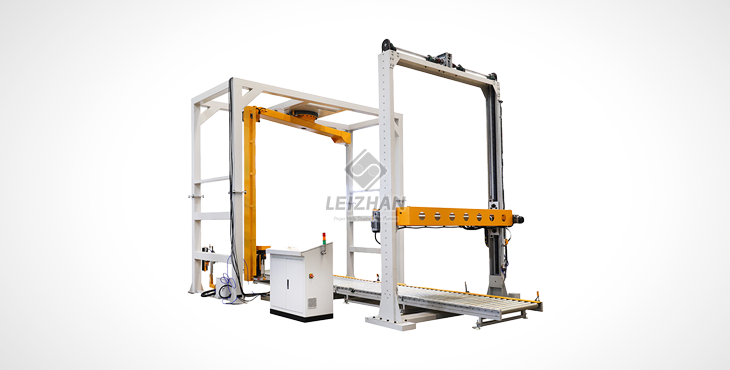
Orbital Stretch Wrapping Machine
An orbital stretch wrapping machine is a type of automated machine used for wrapping products in stretch film. This machine works by rotating the product while the stretch film is applied, ensuring that the film is tightly wrapped around the object. Orbital stretch wrappers are ideal for wrapping large, irregularly shaped items such as pipes, bars, and other heavy-duty products.
Benefits of Orbital Stretch Wrapping Machines:
Efficient Wrapping: Provides a consistent and uniform wrap, improving the stability of the load.
Versatility: Can handle various product shapes and sizes, making it suitable for a wide range of industries.
Improved Productivity: Reduces the time and labor required for manual wrapping, allowing for more efficient packaging processes.
Roll Stretch Wrapping Machine
A roll stretch wrapping machine is typically used in high-speed environments where products need to be wrapped on pallets. This machine is designed to apply stretch film to pallets, ensuring that the load is secured tightly for transport and storage.
Benefits of Roll Stretch Wrapping Machines:
High-Speed Operation: Ideal for high-volume packaging, increasing throughput and reducing packaging time.
Cost-Effective: Helps reduce material costs by minimizing film usage through precise tension control.
Reduced Labor: Automates the wrapping process, reducing the need for manual labor and improving consistency.
Stretch Pallet Wrapping Machine
A stretch pallet wrapping machine is specifically designed for wrapping pallets of products. These machines are essential in industries such as logistics, manufacturing, and food processing, where large quantities of products need to be securely wrapped on pallets for storage or transport.
Benefits of Stretch Pallet Wrapping Machines:
Load Stability: Ensures that palletized goods remain secure during transportation, reducing the risk of damage.
Ease of Use: Simplifies the wrapping process by automating the application of stretch film.
Enhanced Protection: Provides excellent protection against moisture, dirt, and damage during shipping.
FAQs
1. What is the main difference between shrink wrap and stretch wrap?
Shrink wrap requires heat to shrink and conform tightly to products, while stretch wrap relies on elasticity to tightly wrap around items without heat.
2. Can shrink wrap be used on pallets?
Yes, shrink wrap can be used on pallets, but stretch wrap is typically more efficient for pallet wrapping due to its elasticity and speed.
3. What are the benefits of using a stretch wrapping machine?
Stretch wrapping machines offer increased efficiency, cost-effectiveness, and consistency in packaging, especially for palletized goods.
4. Can stretch wrap be used for food packaging?
Yes, stretch wrap can be used for food packaging, particularly for bundling items together, though shrink wrap is often preferred for individual food items due to its tamper-evident properties.
5. What types of products can be wrapped using stretch wrap?
Stretch wrap is used to secure a wide range of products, including palletized goods, industrial items, retail products, and more.
6. Is stretch wrap more cost-effective than shrink wrap?
Yes, stretch wrap is generally more cost-effective, especially in high-volume packaging environments.
7. How do you apply stretch wrap to a pallet?
A stretch film wrapping machine or stretch pallet wrapping machine is used to automatically apply stretch wrap around a pallet of goods.
8. What are the advantages of using an orbital stretch wrapping machine?
Orbital stretch wrapping machines offer precise and uniform wrapping, making them ideal for irregularly shaped or large products.
9. Is stretch wrap biodegradable?
Most stretch wraps are made from polyethylene, which is not biodegradable, though there are some biodegradable options available on the market.
10. What industries use stretch wrap the most?
Stretch wrap is commonly used in industries such as logistics, manufacturing, food processing, and retail, where products need to be securely packaged for transport.
In conclusion, understanding the difference between shrink wrap and stretch wrap is essential for choosing the appropriate packaging method. Whether you opt for shrink wrapping or stretch wrapping, each has its unique advantages depending on the specific needs of your business. For efficient, high-speed wrapping of large quantities of products, stretch wrapping machines—including orbital stretch wrapping machines, roll stretch wrapping machines, and stretch pallet wrapping machines—offer an excellent solution.


