A wrapping machine is an essential piece of equipment in many industries, including packaging, logistics, and manufacturing. It is designed to wrap products with materials such as stretch film or shrink wrap to protect them during storage and transportation. Wrapping machines come in various forms, each suited to different needs. These include the stretch wrapping machine, orbital stretch wrapping machine, roll stretch wrapping machine, stretch film wrapping machine, stretch roll wrapping machine, and stretch pallet wrapping machine.
In this article, we will explore the functionality of a wrapping machine, the different types of machines available, their benefits, and how they work. We will also dive into the latest trends in wrapping technology, helping businesses choose the right equipment for their needs.
What Is a Wrapping Machine?
A wrapping machine is designed to apply a protective layer around products using a specific type of wrapping material, most commonly plastic film. The wrapping serves to keep products secure and intact, especially during transit. The material used for wrapping varies, but it typically includes stretch film or shrink wrap. Wrapping machines are widely used in industries such as food packaging, logistics, and manufacturing, where efficiency and speed are crucial.
The Different Types of Wrapping Machines
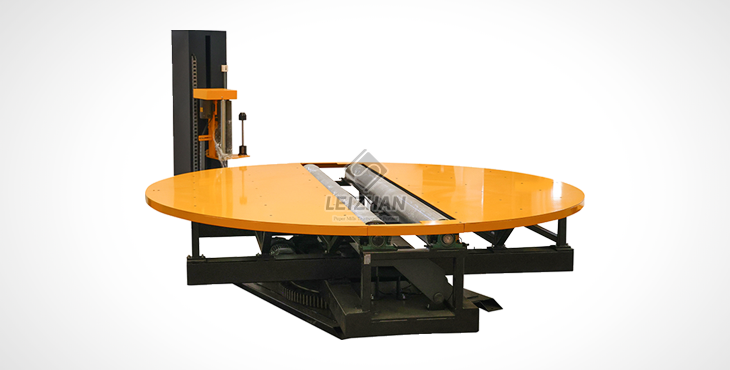
Stretch Wrapping Machine
A stretch wrapping machine is designed to apply stretch film around products and load items onto pallets or other transport containers. These machines use a stretch film that is highly elastic, which can stretch around the products and secure them tightly, keeping them stable during transportation and storage.
There are several types of stretch wrapping machines, including automated, semi-automated, and manual versions. These machines vary in their speed, complexity, and automation level. For instance, automatic stretch wrappers are ideal for high-volume operations, while semi-automatic machines are suitable for smaller-scale operations.
Orbital Stretch Wrapping Machine
An orbital stretch wrapping machine is a specialized piece of equipment used for wrapping products in a circular motion. Unlike traditional stretch wrappers, which wrap around the products, orbital machines use a rotating arm to apply stretch film to items that cannot be easily moved. These machines are ideal for wrapping cylindrical objects, such as pipes, poles, or furniture.
Orbital stretch wrapping machines are often used for securing long and irregularly shaped products. They are typically more versatile than standard stretch wrapping machines because they can wrap items of varying sizes and shapes.
Roll Stretch Wrapping Machine
A roll stretch wrapping machine is another variant of the standard stretch wrapper. It uses a roll of stretch film that is applied manually or automatically to secure products. This machine is ideal for smaller packages, bundles, and even single-item wrapping.
The roll stretch wrapping machine is often used in environments where flexibility and customization are key. It allows businesses to choose different types of film depending on their needs and can be configured to wrap products in a specific way to ensure maximum stability.
Stretch Film Wrapping Machine
A stretch film wrapping machine is designed to apply stretch film around products to secure them during transport or storage. Stretch film is a type of plastic that is stretched tightly around items, providing protection and making the item easier to handle.
This type of wrapping machine is widely used in industries where products need to be wrapped for palletization, such as food and beverage, consumer goods, and electronics. It is particularly effective for products that are not uniform in shape or size, as the stretch film conforms tightly to the contours of the item.
Stretch Roll Wrapping Machine
A stretch roll wrapping machine is a specialized machine that wraps products using a roll of stretch film. It works similarly to a roll stretch wrapping machine but is typically more automated and offers additional features, such as variable film tension, automatic height adjustment, and programmable wrapping patterns.
Stretch roll wrapping machines are often used for packaging large volumes of products, especially in industries like manufacturing, where high efficiency is required. These machines can handle various products, including boxes, bags, and crates, and are capable of applying consistent and tight wraps to ensure the product's security.
Stretch Pallet Wrapping Machine
A stretch pallet wrapping machine is designed specifically for wrapping pallets loaded with products. It works by wrapping stretch film around the palletized goods to secure them for shipping. Stretch pallet wrappers are commonly used in warehousing and distribution centers, where pallets are a standard method of storing and transporting goods.
The machine works by rotating the pallet while the film is dispensed, applying multiple layers of stretch film for extra strength. These machines can be automated for higher throughput and are designed to handle large volumes of products quickly and efficiently.
How Do Wrapping Machines Work?
The basic function of a wrapping machine is to secure products by wrapping them tightly in a protective film. Depending on the type of machine, the process may involve the following steps:
Loading the Product: The product or pallet is placed on the conveyor or loading platform.
Wrapping: The stretch film is dispensed and wrapped around the product or pallet. For stretch wrapping machines, the film is stretched and tightly applied, providing a secure and tight wrapping.
Sealing: The machine seals the film, ensuring that the wrapping does not come loose during transportation.
Cutting: Once the wrapping is complete, the film is cut to finish the wrapping process.
Unloading: The wrapped product is then unloaded from the machine and ready for shipping or storage.
Automated vs. Semi-Automated Wrapping Machines
Automated Stretch Wrapping Machines: These machines are fully automated and are ideal for high-volume operations. They are typically used in large-scale warehouses or production lines and can handle a wide range of products. Automation reduces labor costs and increases efficiency.
Semi-Automated Stretch Wrapping Machines: These machines require some manual intervention, such as loading the product onto the platform and starting the wrapping process. However, once initiated, the machine completes the wrapping process on its own. These machines are perfect for businesses with moderate wrapping needs.
Benefits of Wrapping Machines
Improved Efficiency: Wrapping machines speed up the packaging process, making it more efficient and cost-effective. Automated machines can wrap a large number of products in a short amount of time.
Protection: Wrapping products with stretch film or shrink wrap provides a protective layer that helps prevent damage during storage and transport.
Cost-Effective: By automating the wrapping process, businesses can reduce labor costs and increase productivity.
Consistency: Wrapping machines provide consistent results, ensuring that every product is wrapped securely and uniformly.
Space-Saving: Properly wrapped products can be stacked more efficiently, saving storage space in warehouses or transportation vehicles.
FAQs
What is a stretch wrapping machine?
A stretch wrapping machine is a device that wraps products or pallets with stretch film to secure them for transport or storage.
How does a stretch wrapping machine work?
Stretch wrapping machines stretch and apply a film around products or pallets, providing a tight, secure wrap that holds the items together.
What types of stretch wrapping machines are available?
There are several types of stretch wrapping machines, including orbital stretch wrapping machines, roll stretch wrapping machines, stretch film wrapping machines, stretch roll wrapping machines, and stretch pallet wrapping machines.
What industries use stretch wrapping machines?
Stretch wrapping machines are used in a variety of industries, including food and beverage, consumer goods, manufacturing, and logistics, to wrap products for storage and transportation.
Can stretch wrapping machines be automated?
Yes, stretch wrapping machines can be automated to increase efficiency in high-volume production environments.
What is the difference between a stretch wrapping machine and a shrink wrapping machine?
While both types of machines are used for securing products, stretch wrapping machines use elastic stretch film to tightly wrap products, while shrink wrapping machines use heat to shrink a plastic film around the product.
How do orbital stretch wrapping machines differ from traditional stretch wrapping machines?
Orbital stretch wrapping machines wrap products in a circular motion, making them ideal for wrapping cylindrical or irregularly shaped objects.
Can a stretch wrapping machine wrap different product sizes?
Yes, stretch wrapping machines can be adjusted to accommodate products of varying sizes, though some machines are more flexible than others.
What is the cost of a stretch wrapping machine?
The cost of a stretch wrapping machine depends on the type, size, and features. Automated machines tend to be more expensive than semi-automated machines.
Are stretch wrapping machines easy to maintain?
Yes, stretch wrapping machines are generally easy to maintain, but regular cleaning and checks are necessary to keep them running smoothly.
Conclusion
In conclusion, stretch wrapping machines are vital tools in many industries for protecting products during storage and transportation. From automated systems to specialized machines like orbital stretch wrapping machines, these devices improve efficiency, reduce costs, and provide secure packaging. Understanding the different types of wrapping machines and their applications helps businesses choose the right solution for their packaging needs.


