Stretch wrap is an essential packaging material widely used in industries ranging from logistics to retail. It’s a versatile, cost-effective solution that offers high performance in various applications. But what exactly is stretch wrap, and what is it used for? In this comprehensive guide, we will explore the uses, benefits, and industry applications of stretch wrapping machines, which are used to apply stretch film.
What Is a Stretch Wrap?
Stretch wrap, also known as stretch film, is a plastic film that stretches around products and pallets to secure them for storage and transport. The material itself is usually made of linear low-density polyethylene (LLDPE), which gives it strength, stretchability, and resistance to damage. The film is wrapped tightly around goods to prevent shifting during transit, offering protection from dust, moisture, and tampering.
There are two main types of stretch wrap: hand stretch film and machine stretch film. Hand stretch film is used for smaller, manual applications, whereas machine stretch film is applied using specialized machinery, making it more efficient for larger-scale operations.
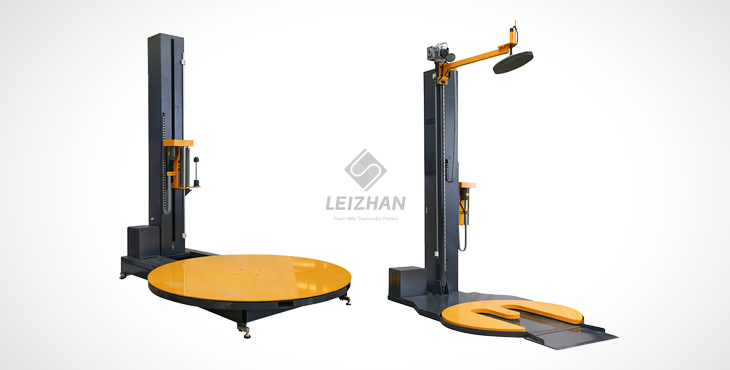
What is a Stretch Wrapping Machine?
A stretch wrapping machine is a device used to automatically or semi-automatically wrap stretch film around products, pallets, or other items. These machines improve efficiency, reduce labor costs, and ensure consistent packaging quality. Stretch wrapping machines come in various models, including turntable, rotary arm, and robotic systems, each catering to different needs and production environments.
Stretch wrapping machines provide significant advantages for industries that require high-speed, uniform packaging. By stretching the film as it is applied, the machine ensures that the load is tightly secured, preventing any movement during transportation.
How Does a Stretch Wrapping Machine Work?
The working principle of a stretch wrapping machine is relatively simple. The machine takes a roll of stretch film, stretches it, and wraps it around a product or pallet. As the film is stretched, it generates tension, which holds the load securely in place. The film is then sealed at the end of the wrapping process, ensuring the load is tightly bound. The most common stretch wrapping methods include:
Turntable Stretch Wrappers: These machines rotate the pallet on a turntable while the film is applied.
Rotary Arm Stretch Wrappers: These systems use a rotating arm to apply the film while the product stays stationary.
Robotic Stretch Wrappers: Robotic arms are used to wrap products and pallets in highly automated environments.
Applications of Stretch Wrap
Stretch wrap is used across a range of industries and for various purposes. Here are some common uses:
1. Palletizing and Unitizing Loads
One of the most widespread uses of stretch wrap is to secure items on pallets. Palletizing involves stacking products on a pallet in a specific configuration, and stretch wrap is used to hold them together. This is particularly important for warehouse storage and shipping, as it prevents items from shifting or falling during transit.
2. Food Packaging
In the food industry, stretch film is often used to wrap fresh produce, meat, and other items to preserve their quality and ensure hygiene. The stretch film’s tight seal helps to extend the shelf life of food products by protecting them from contaminants and moisture.
3. Protective Wrapping for Retail
Retail products, especially fragile or bulky items, are often wrapped in stretch film to keep them secure during storage and transport. This helps prevent damage and ensures that items arrive in perfect condition at stores.
4. Automotive Parts Packaging
Stretch wrapping machines are frequently used to pack automotive parts like engines, tires, and glass. These parts are often sensitive to damage, so stretch film provides a reliable method of ensuring their protection and stability during shipping.
5. Building Materials and Industrial Goods
Stretch wrapping machines are commonly used to wrap construction materials, including bricks, pipes, and other industrial goods. This helps secure large and heavy items that would otherwise be difficult to package and move efficiently.
6. E-Commerce and Small Parcel Shipping
E-commerce companies often use stretch wrapping machines to prepare parcels for shipment. Stretch film helps wrap boxes, secure items within packages, and protect fragile products during delivery.
Benefits of Stretch Wrapping Machines
Stretch wrapping machines offer numerous advantages for businesses, making them an essential tool in many industries. Some of the key benefits include:
1. Improved Efficiency
By automating the wrapping process, stretch wrapping machines can wrap large quantities of products much faster than manual labor. This efficiency leads to faster production times and reduced operational costs.
2. Consistent Packaging Quality
One of the significant challenges with manual packaging is the inconsistency in wrap tension. Stretch wrapping machines ensure that every package is wrapped with the same degree of tension, resulting in uniform packaging and minimized risk of damage.
3. Reduced Packaging Material Usage
Stretch wrapping machines use stretch film efficiently, reducing the overall amount of material needed to wrap products. The ability to stretch the film up to 300% of its original length means less film is required to achieve a secure and stable wrap.
4. Enhanced Load Stability
The tight wrap provided by stretch film increases load stability, reducing the risk of products shifting during transport. This is particularly important for industries where product integrity is crucial, such as pharmaceuticals and food packaging.
5. Cost Savings
While the initial investment in a stretch wrapping machine can be significant, the long-term savings are substantial. Automating the wrapping process reduces labor costs and the risk of damage, leading to a more efficient and cost-effective packaging solution.
6. Versatility
Stretch wrapping machines can be used for a wide range of products, from small boxes to large, heavy items. This makes them highly versatile and suitable for various industries.
Stretch Wrapping Machine Price
The price of stretch wrapping machines varies depending on the type, size, and features. Basic turntable stretch wrappers can cost anywhere from $5,000 to $10,000, while more advanced robotic systems or high-speed wrappers can range from $20,000 to $100,000 or more. Factors that influence the price include:
Automation Level: Fully automated systems are typically more expensive than semi-automatic models.
Load Capacity: Machines designed for heavier loads or large pallets tend to be pricier.
Speed and Features: Machines with higher speed capabilities and advanced features like adjustable wrap tension and automatic film cutting can add to the cost.
Stretch Wrapping Machine Manufacturers
Several manufacturers specialize in stretch wrapping machines, offering a wide variety of models designed to meet the needs of different industries. Some prominent manufacturers include:
Signode Industrial Group – A global leader in industrial packaging solutions, Signode offers high-quality stretch wrapping machines used in industries like food, beverage, and retail.
Lantech – Known for their innovative stretch wrapping systems, Lantech is a leading manufacturer of stretch wrapping equipment for automated packaging.
Wulftec – A Canadian company that produces top-tier stretch wrappers, including high-speed systems and customized machines for industrial use.
MTS Maschinenbau – This European manufacturer offers a variety of stretch wrapping machines, known for their robust design and long service life.
Key Considerations When Choosing a Stretch Wrapping Machine
When selecting a stretch wrapping machine, businesses need to consider several factors to ensure they choose the right one for their needs. Some key considerations include:
Load Size and Weight: Make sure the machine can handle the size and weight of the items you plan to wrap.
Speed and Throughput: If you have high-volume needs, opt for a machine with a higher speed and throughput capacity.
Type of Film: Ensure the machine is compatible with the type of stretch film you plan to use, whether it’s hand film, machine film, or a specialty film.
Automation Level: Decide whether a semi-automatic or fully automatic machine is more suited to your operational requirements.
Maintenance and Support: Choose a manufacturer that offers excellent customer service, including maintenance and support.
FAQs About Stretch Wrapping Machines
1. What is a stretch wrapping machine used for?
A stretch wrapping machine is used to wrap stretch film tightly around products, pallets, or other items to secure them for transport and storage. It ensures load stability, protects the items from dust and moisture, and prevents shifting during shipment.
2. What are the different types of stretch wrapping machines?
The three main types of stretch wrapping machines are turntable stretch wrappers, rotary arm stretch wrappers, and robotic stretch wrapping systems. Each type offers different benefits depending on the scale and automation required.
3. How much does a stretch wrapping machine cost?
The price of a stretch wrapping machine can range from $5,000 for a basic turntable model to $100,000 or more for high-speed and robotic systems, depending on features and load capacities.
4. Can a stretch wrapping machine handle heavy loads?
Yes, stretch wrapping machines are available in models designed to handle both lightweight and heavy loads, making them suitable for various industries, from retail to construction.
5. How do I choose the right stretch wrapping machine?
Consider factors like load size and weight, speed, automation level, and compatibility with your stretch film type when choosing a machine.
6. What industries use stretch wrapping machines?
Stretch wrapping machines are used in industries such as food packaging, automotive parts, construction materials, retail, and e-commerce.
7. What are the benefits of using a stretch wrapping machine?
Key benefits include improved efficiency, consistent packaging quality, reduced material usage, enhanced load stability, and long-term cost savings.
8. Can stretch wrapping machines be customized?
Yes, many manufacturers offer customizable features to meet specific requirements, including adjustable film tension, speed controls, and wrap patterns.
9. How do stretch wrapping machines improve operational efficiency?
By automating the wrapping process, these machines reduce the need for manual labor, speed up production times, and ensure that every package is consistently wrapped with the same tension.
10. Are stretch wrapping machines easy to maintain?
Most stretch wrapping machines are designed for easy maintenance, with manufacturers offering maintenance services, training, and support to ensure the machines run smoothly.
Conclusion
Stretch wrapping machines play a critical role in ensuring that products are securely packaged for transport and storage. With their ability to improve efficiency, reduce material costs, and provide consistent packaging quality, these machines are invaluable to industries around the world. Whether you are shipping fragile goods or bulk materials, investing in the right stretch wrapping machine can streamline your packaging process, protect your products, and enhance overall productivity.


