In the fiercely competitive paper manufacturing sector, profit margins live or die by operational efficiency. For mills processing secondary fibers, the ultimate performance metric is Fiber Yield. Converting waste paper into premium rolls demands aggressive contaminant extraction. However, a harsh reality remains on the factory floor. Every time a recycled paper making machine purges plastics, adhesives, or ink, it inevitably drags valuable cellulose along with the trash.
To protect the bottom line, mill managers and process engineers must pinpoint exactly where these hidden leaks occur. This comprehensive guide breaks down the specific zones in a stock preparation line where retention drops. More importantly, it provides actionable strategies to recover that lost material. Let us explore the lifecycle of recycled pulp and seal the gaps in your production line.
Key Takeaways
Retention is the Ultimate KPI: Even a mere one percent drop in retention can cost a paper mill hundreds of thousands of dollars annually. This results in wasted raw materials and steeply increased landfill tipping fees.
Initial Breakdown and Filtering are Major Culprits: Incomplete defibering during the initial slushing stage and overly aggressive filtering setups are the primary locations where high-quality material is prematurely discarded.
Chemical Washing Requires Delicate Balance: The chemical separation process is essential for tissue and graphic papers. Yet, it naturally washes away valuable fines if surfactant ratios are not strictly governed.
Tailings Recovery is Your Safety Net: Upgrading your waste recovery systems captures usable cellulose before it is permanently lost. This acts as the final defense line for mill profitability.
Understanding Material Retention and Industry Trends
To optimize a production line, operators must first establish a baseline understanding of how retention functions within a secondary system. In the context of paper recycling, this metric refers to the percentage of usable cellulose successfully kept from the initial raw waste input. If a mill inputs 100 tons of Old Corrugated Containers and produces 85 tons of usable pulp, the retention stands at 85 percent.
Recent industry analyses reveal a pressing operational crisis. Global demand for sustainable e-commerce packaging is skyrocketing. Consequently, the cost of high-quality recovered paper has steadily climbed to historic highs. Simultaneously, the quality of incoming bales is rapidly degrading. Today's bales are packed with more synthetic adhesives, wet-strength agents, and complex plastics than ever before. Mills are squeezed tightly between high input costs and terrible raw material quality.
Operators face a constant contaminant dilemma. To produce paper that meets stringent industry strength and aesthetic standards, the system must aggressively purge stickies, sand, and ink. Unfortunately, the intense physical and mechanical forces required to separate these impurities inherently risk removing good material alongside them. Achieving maximum profitability demands a delicate balancing act between contaminant removal efficiency and maximum material preservation.
Core Comparison: Loss Zones vs. Optimized Recovery
| Processing Stage | Typical Loss Rate | Primary Cause of Loss | Engineering Optimization Strategy |
| Initial Pulping | 2% - 5% | Incomplete defibering, unpulped flakes rejected. | Increase consistency to 14-18%, upgrade rotor design. |
| Fine Filtering | 3% - 6% | Thickening effect at basket wall, improper slot velocity. | Implement multi-stage cascading, adjust differential pressure. |
| Centrifugal Cleaning | 1% - 3% | Vortex destabilization, worn ceramic cones. | Inject elutriation water at bottom tip, stabilize feed pressure. |
| Chemical Flotation | 5% - 10% | Fines entangled in dense froth, poor chemical balance. | Optimize surfactant ratios, utilize DAF water recovery. |
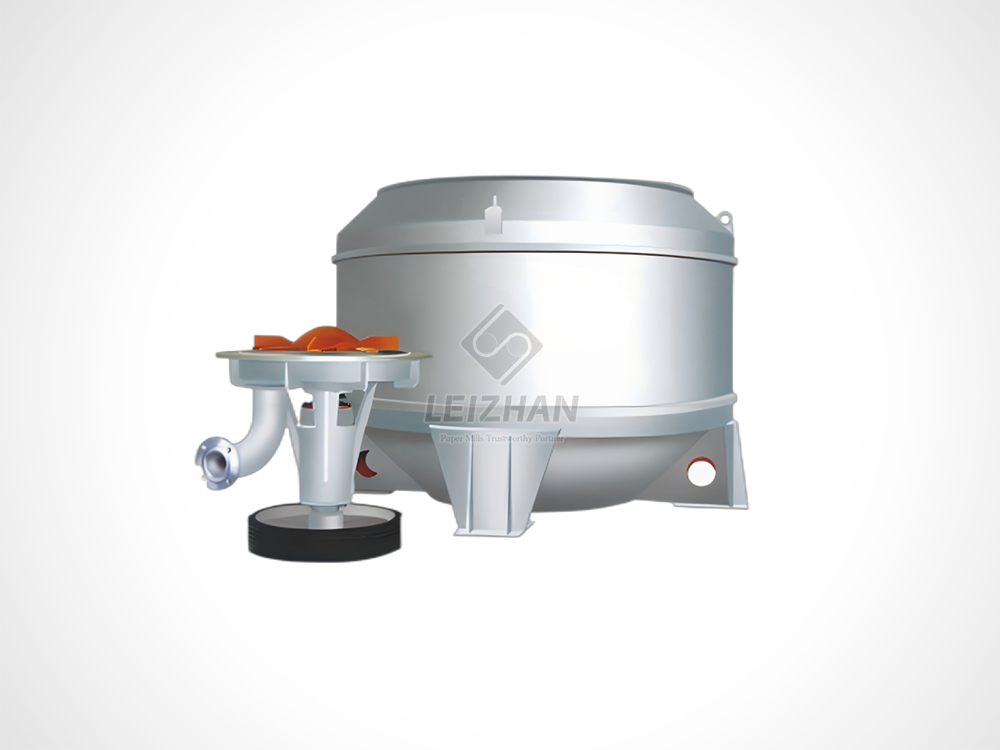
Stage 1: Fiber Loss in the Pulper
The pulping stage sets the foundation for the entire stock preparation journey. Specifically, the primary role of the OCC Pulper is to break down raw waste bales into a pumpable slurry. This uses intense mechanical agitation and water. Engineered correctly, slushing separates individual cellulose threads without snapping or degrading them.
Despite its critical function, this initial vat is a notorious area for early material loss. The primary culprit is incomplete defibering. When the paper is not fully broken down, intact bundles of paper remain suspended in the slurry. Because these flakes are geometrically larger than individual threads, downstream equipment identifies them as contaminants. They are subsequently discarded, dragging perfectly good, albeit unseparated, material into the waste chute.
Furthermore, heavy reject traps located at the bottom of the vat act as a stealthy source of loss. These junk towers are designed to catch heavy debris like staples, glass, and large plastics. If the purge cycle is poorly timed or lacks proper flush water, the outward flow accidentally flushes usable slurry along with the heavy trash.
Optimizing the Slushing Process with Smart Equipment
To minimize losses right out of the gate, engineers must meticulously tune operational parameters and select robust hardware. For instance, installing an advanced O-Type Hydraulic Pulper transforms the efficiency of this stage. Operating at an optimal consistency of 14 to 18 percent ensures maximum fiber-to-fiber friction. This drastically improves defibering efficiency without relying solely on the rotor's cutting action. Modern units equipped with specialized Vokes rotors and optimized D-shaped or O-shaped vats eliminate dead zones. Additionally, regular inspection of the extraction plates is non-negotiable. Blinded holes artificially increase the retention of good stock in the reject zone.
Stage 2: The Impact of Coarse and Fine Filtering
Once the mixture leaves the initial breakdown phase, it enters the Screening section. The purpose of this stage is to utilize specialized baskets equipped with either precise holes or micro-slots to filter out mid-sized and fine impurities. Coarse units typically handle large plastics and shives, while fine units target micro-stickies and smaller debris.
Loss in this section is largely driven by mechanical and fluid dynamics. If the slots are too narrow for the specific furnish, or if the rotor speed creates improper pulsation, perfectly acceptable threads are pushed away. A major phenomenon in this zone is the thickening effect. Because water passes through the basket more easily than solid matter, the slurry's consistency spikes near the basket wall. This localized thickening forces good material into the waste line simply because the mixture becomes too dense to squeeze through the slots effectively.
Balancing Contaminant Removal and Yield
Mitigating these dynamic losses requires a well-designed, multi-stage cascading architecture. In a standard setup, the waste stream from the primary unit is fed directly into a secondary unit. Those secondary rejects then flow into a tertiary unit. This cascading approach gives acceptable threads multiple opportunities to pass through the baskets. Actively adjusting the differential pressure across the unit ensures the correct volumetric reject rate, keeping the thickening effect minimized.
Stage 3: Centrifugal Cleaners and Destabilization
Moving downstream, centrifugal cleaners utilize fluid dynamics to separate materials based strictly on their specific gravity. High-Density cleaners are typically installed early to catch heavy materials like sand and metal. In contrast, Low-Density cleaners operate later in the sequence to pull out lightweight nuisances like foam, wax, and light plastics. The slurry is pumped tangentially into a conical vessel, creating a violent vortex. Heavy particles are flung to the outside wall and drop to the bottom tip. Meanwhile, the lighter, usable pulp is drawn to the center core and flows upward to the accept line.
Waste occurs here when the vortex is destabilized. Sudden changes in feed pressure, fluctuations in incoming consistency, or physical wear on the internal cones instantly alter the fluid dynamics. When the vortex wavers, good threads get dragged down into the heavy waste tip or pushed into the light waste core.
Maintaining Fluid Dynamic Efficiency
Routine, proactive maintenance is the most effective defense here. The lower sections of the cones endure the highest velocity and severe abrasion. They are often constructed of ceramic or polyurethane. Replacing these cones the moment they show signs of grooving is critical. Operators must continuously monitor the pressure drops across the cleaner banks. Injecting elutriation water at the bottom tip provides a targeted flush. This washes good threads back into the upward accept stream before they are discarded.
Stage 4: Flotation and Washing Losses
For facilities producing tissue, printing, or writing paper, the production line must incorporate a comprehensive Deinking plant. This stage is absolutely critical for visual quality. It aims to strip away printing inks, ash, and sizing agents to achieve brilliant brightness and softness.
The process heavily relies on froth flotation. Air bubbles are injected into the liquid, and hydrophobic ink particles attach to these bubbles. They rise to the surface to be skimmed off. Unfortunately, small fines and micro-threads frequently become entangled in the dense froth or attach to the bubbles themselves. Consequently, they are skimmed off as waste, silently lowering your total output.
Following flotation, intensive washing stages use wire filters or heavy presses to rinse out microscopic ink and high ash content. While washing is highly effective for improving brightness, the massive volumes of water used inevitably flush away short threads. These valuable fines enter the water treatment system and are often permanently lost during the drainage process.
Improving Chemical Separation Efficiency
Achieving harmony in this plant requires chemical and mechanical precision. Operators should optimize chemical surfactants to ensure that ink particles become hydrophobic while cellulose remains hydrophilic. This drastically reduces the likelihood of entanglement. Maintaining precise air-to-pulp ratios in flotation cells prevents excessive froth generation. Furthermore, implementing advanced Dissolved Air Flotation systems in the water loop allows mills to recover suspended fines from the wash water, looping them back into the system.
Stage 5: Inefficient Tailings Systems
The Rejects generated from the preceding stages do not immediately head to the landfill. In a modern setup, these diverse waste streams are directed to a tailings system. This area represents the absolute final frontier of material recovery.
Losses compound at this stage primarily due to outdated, undersized, or chronically overloaded equipment. If the separators or vibrating screens fail to aggressively wash the concentrated waste, significant amounts of usable furnish remain trapped within the tangled plastics and debris. When this unwashed, sloppy waste is finally discharged into the dumpster, the embedded cellulose is permanently lost.
Upgrading Waste Recovery Equipment
To secure the bottom line, managers must treat this handling system as a critical recovery zone rather than a simple trash chute. Consider installing modern reject separators equipped with high-pressure internal wash systems. These effectively scrub good threads free from plastics. Fiber recovery washers and heavy-duty screw presses are essential tools. They squeeze out every last drop of usable liquid and cellulose. This not only captures lost material but significantly reduces the sheer weight and moisture content of the final waste, slashing landfill tipping fees.
Equipment Selection Guide to Maximize Recovery
Identifying where the leaks occur is only the first step. Implementing a continuous improvement strategy through smart equipment selection is what ultimately protects a mill's profitability. Maximizing output requires replacing generic machinery with purpose-built, high-efficiency hardware.
First, evaluate your initial slushing capabilities. When upgrading, look for specific parameters. A premium pulper should handle high consistencies up to 18 percent and feature a robust motor power ranging from 90kW to 1200kW depending on your capacity needs. The vat volume should perfectly match your daily tonnage to ensure adequate retention time for complete defibering.
Second, invest heavily in automated control hardware. Automated control valves smoothly regulate flow, while inline consistency transmitters keep the mixture stable. Utilizing advanced Distributed Control Systems ensures the slurry remains at optimal conditions around the clock. This prevents the erratic fluctuations that cause fluid dynamic failures in downstream cleaners.
Finally, focus on the tailings section. Select heavy-duty screw presses and high-speed separators designed specifically for highly contaminated streams. The goal is to extrude dry, compact waste while sending nutrient-rich white water back to the pulper.
Conclusion
Material loss is a cumulative, creeping problem in paper manufacturing. It starts as a trickle during the initial breakdown phase and continues to leak through filtering, cleaning, and washing. These seemingly small, incremental losses add up to massive financial deficits over a fiscal year. Achieving a high output does not mean compromising on paper quality. Rather, it means optimizing your equipment to work smarter. Smart engineering, rigorous maintenance, and modern recovery systems ensure you waste less raw material and maximize profit. Evaluate your current stock preparation line today. Upgrade your critical components with proven solutions from Leizhan Paper Tech, and stop sending good money to the landfill.
FAQ
What is a good fiber yield percentage for recycled paper?
It heavily depends on the raw material input. For high-quality sorted office paper, yields typically hover around 70 to 80 percent due to the necessary removal of high ash and heavy ink content. Conversely, for Old Corrugated Containers, a well-optimized system should comfortably achieve a yield of 85 to 92 percent.
How does an OCC pulper affect overall fiber yield?
This initial machine sets the stage for the entire process. If it fails to fully defiber the paper bales, intact flakes of paper are sent downstream. Because filtering baskets are designed to remove large particles, these unpulped flakes are rejected as waste. This takes perfectly good, usable cellulose with them.
Can deinking be done without losing fiber?
Complete, zero-loss deinking is practically impossible. Removing microscopic ink and ash inherently washes away some short threads and fines. However, by optimizing flotation chemicals and utilizing multi-stage water recovery systems, mills can keep this loss to an absolute minimum. It is typically kept under 5 to 10 percent in the flotation stage.
Why is reject handling critical for a recycled paper making machine?
Reject handling acts as the absolute last line of defense before waste leaves the facility. A highly efficient tailing screen or separator washes the concentrated waste stream one final time. This successfully recovers good threads that were accidentally discarded by upstream primary units before they are permanently sent to the landfill.
How do you calculate fiber yield in paper recycling?
The calculation is straightforward but requires accurate weighing. You divide the total oven-dried weight of the usable pulp produced by the total oven-dried weight of the raw waste paper inputted into the system, then multiply by 100 to get the percentage. Routine sampling of moisture content is crucial for accurate calculations.
What causes high fiber loss in the screening stage?
High loss during filtering is usually caused by the thickening effect, where water passes through the slots faster than the solid material. This increases the consistency near the basket wall, plugging the slots and forcing good material into the reject line. Incorrect rotor speed and inadequate pressure differentials are the main culprits.


