High-speed paper manufacturing demands flawless synergy between heavy machinery and raw materials. Are you constantly battling unstable rolls? A loose core destroys winding efficiency. Mill managers frequently face costly downtime simply because of mismatched structural components. Choosing the wrong size or weak materials leads to severe operational failures. You will typically see telescoped rolls, uneven winding profiles, and sudden web breaks on the factory floor.
This technical breakdown explores the critical factors for core selection from a frontline engineering perspective. By understanding the mechanical forces at play, you can ensure your manufacturing operation runs at peak performance while eliminating unnecessary equipment wear.
Key Takeaways
Precision is Paramount: Internal dimensions must perfectly match the expansion shaft specifications. This prevents mechanical vibration and structural instability during high-speed rotation.
Material Matters: Radial and axial crush strength must be calculated based on the maximum weight, basis weight, and width of the wound paper.
Automated Regulation: Proper selection serves as your first line of defense. It maintains optimal web tension and prevents inner-layer collapse during winding.
Standardization: Adopting industry-standard sizes minimizes procurement complexity and ensures seamless compatibility across different converting stages.
Understanding the Anatomy of the Machinery
To make an informed engineering decision, you must first understand the mechanical environment. The continuous sheet of paper produced at the dry end relies on a strict balance of speed, weight, and friction. The winder section is where the most intense mechanical interactions occur. Here, the machine web interacts directly with the core.
This mechanical connection is driven by the reel spool, an expanding shaft that grips the inside of the tube. If this interface slips, torque transmission vanishes instantly. The spool uses either pneumatic bladders or mechanical lugs to lock the setup in place. Therefore, the core must withstand immense internal expansion pressure from the spool while resisting the external compressive force of the accumulating paper web.
The Critical Importance of Core Diameter Selection
Selecting the correct core diameter is a strict engineering requirement, not a guesswork game. The internal measurement must provide a near-perfect fit for the machine's expansion shaft. A loose fit causes immediate slippage. When slippage occurs, the paper web loses its tautness. This causes the material to wind loosely or snap entirely under sudden stress.
Conversely, a core that is too tight frustrates operators during loading. It may also suffer internal delamination when the pneumatic bladders expand. Standard industry sizes serve different machinery classes. Smaller 3-inch dimensions are common for lightweight tissue converting. Meanwhile, heavy-duty cardboard production demands massive 16-inch industrial cores to handle the immense weight of the wound product without bowing.
Evaluating Core Material and Structural Strength
Material composition dictates survivability in high-tonnage production. Cores face brutal radial pressure from tightly wound paper and severe axial stress from handling equipment. Imagine a massive overhead crane lifting a 5-ton roll of kraft paper. If the core ends lack beam strength, they crush inward. The entire batch becomes unusable.
You must evaluate radial crush strength based on your specific machine output. Standard paper cores made from lightly recycled fibers suit lightweight applications. Heavy-duty machines require engineers to specify high-density kraft paper cores reinforced with specialized industrial adhesives. As the roll grows in diameter, the outer layers compress the inner layers with hundreds of PSI. The core must maintain absolute circularity under this extreme pressure.
| Paper Grade Application | Recommended Core Material | Required Radial Crush Strength | Common Industry Diameter |
| Lightweight Tissue & Towel | Standard Recycled Fiber | Low to Medium | 3-inch to 6-inch |
| Printing & Writing Paper | Medium-Density Kraft Blend | Medium to High | 6-inch to 12-inch |
| Heavy Kraft & Linerboard | High-Density Reinforced Kraft | Extreme | 12-inch to 16-inch |
Looking at recent shifts in the global paper manufacturing sector, there is a distinct move toward data-driven winding automation and sustainable material engineering. Modern mills rapidly adopt smart winding systems equipped with real-time sensors. These sensors continuously monitor radial pressure and structural deflection at the winder. Consequently, stringent environmental regulations push plants to utilize highly compressed, fully recycled fiber cores. Advanced eco-friendly manufacturing now allows these recycled materials to match the flexural rigidity of virgin kraft. Today's selection process must account for mechanical compatibility, digital sensor integration, and corporate sustainability targets.
How Tension Control Influences Core Stability
Automated web handling systems and core deformation are deeply intertwined. Advanced tension control systems manage the tightness of the paper wrap as it travels from the drying cylinders to the winder. However, sophisticated electronics cannot fix a physically weak foundation.
During the initial phase of winding, tension is set higher to create a solid, immovable base. A structurally deficient core will crush immediately under this high inner tension. Modern advanced winding systems utilize a tapered tension profile. They start tight at the center and gradually decrease the pull as the roll diameter increases. Properly selected cores provide the rigid bedrock necessary for these algorithms to function accurately. This prevents the outer layers from squeezing the inner layers outward into a telescoped defect.
Optimizing the Pope Reel Configuration
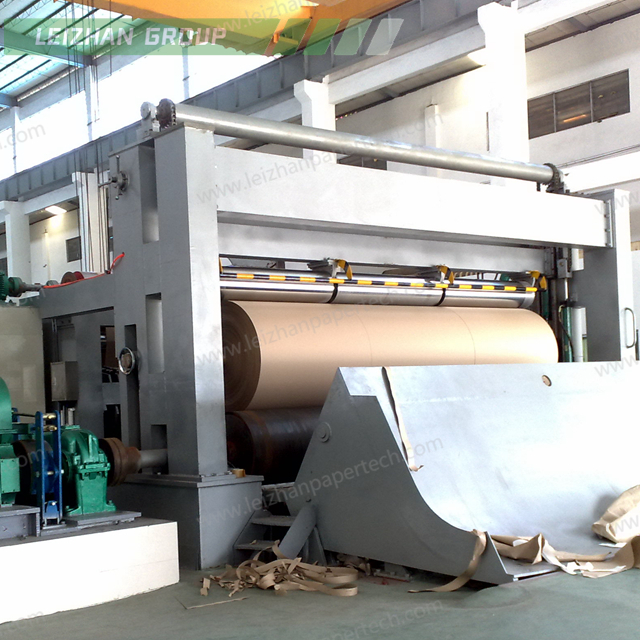
The Pope reel is the foundational piece of equipment at the dry end. Its specific mechanical design dictates the limitations of your consumable options. For instance, advanced equipment like the Automatic Roller Type Pope Reel operates at working speeds up to 1000 meters per minute and handles maximum roll diameters of 4000 millimeters. This mechanism uses a rotating drum that applies direct surface nip pressure against the growing paper roll to drive it and control air entrainment.
Because primary and secondary arms press the core against this heavy drum, the core itself requires exceptional beam strength. If it bows or flexes under the nip pressure, the paper winds unevenly. This creates hard and soft spots across the web profile. Regular maintenance checks on spool alignment combined with high flexural rigidity in your core selection guarantee a seamless transition to the finishing department.
Common Compatibility Challenges and Solutions
Plant operators frequently hit compatibility hurdles when changing paper grades or upgrading legacy equipment. Varying paper basis weights directly impact what consumables you should use. Heavier basis weights demand exponentially stronger supports due to the increased mass.
Machine vibration is another massive headache. Imbalanced, warped, or damaged cores force operators to drastically reduce machine speed, which kills daily productivity. Furthermore, moisture control is a critical yet often ignored factor. Paper cores are highly hygroscopic. Stored in a humid mill environment, they absorb moisture and lose up to 30 percent of their compressive strength before reaching the winder. Implementing climate-controlled storage and keeping cores stacked vertically mitigates these environmental risks.
Strategic Procurement: Choosing the Right Supplier
Selecting the right components is an exercise in strict quality assurance. Procurement officers must look far beyond the initial purchase price. A cheap, inferior core that fails on the machine causes expensive downtime. This becomes a massive hidden cost to the overall operation.
You should evaluate potential manufacturers based on their dimensional consistency, crush testing protocols, and material traceability. Are you looking to upgrade your winding section or need equipment that perfectly matches your high-strength core requirements? Choosing the right machinery is just as critical as the consumables. Explore high-performance solutions and ensure your production line operates flawlessly by checking out the advanced parent roll paper making machines and pope reels from Leizhan. Build a significantly more reliable and profitable production line today.
Frequently Asked Questions
How do I know if my core diameter is correct for my machine?
Always refer to your equipment's OEM technical manual for exact shaft specifications. The core should slide onto the expansion mechanism with minimal clearance. This allows for firm pneumatic or mechanical expansion without placing excessive warping strain on the inner wall. Use precision calipers to verify that internal dimensions fall within the manufacturer's stated tolerances.
Can I reuse cores on a high-speed production line?
Reusing cores is possible, but they must undergo a rigorous inspection process. Operators must check for structural integrity, ovality, surface cracks, and end-cap damage. Any core showing signs of delamination or inward crushing should be immediately recycled rather than reused. A compromised core poses a massive risk to web stability.
What role does automated web tension play in this selection process?
High-tension winding protocols require significantly higher radial strength. If your system runs at high tension during the critical inner wraps, you must ensure the core resists inward crushing. Insufficiently strong materials will telescope or collapse under the compressive pressure of tight winding.
What is the most common cause of structural failure during winding?
Improper storage leading to excessive moisture absorption is the most frequent culprit. Moisture softens the adhesive and recycled fibers. This makes the core highly susceptible to collapse under the weight of the paper. Incorrect dimensional sizing leading to poor contact with the expansion shaft is a close second.
How does the reel drum affect my choice of consumables?
The contact pressure generated by the driven drum requires a core that is perfectly centered and structurally sound. Any lack of flexural rigidity causes the core to bend under the nip pressure. This deflection leads to uneven winding, profile defects, and ultimately ruins the downstream converting process.
What is the ideal moisture content for storing paper cores before winding?
Paper cores should ideally be stored in an environment with a relative humidity around 50 percent and a temperature of 70 degrees Fahrenheit. Maintaining a core moisture content between 6 and 8 percent prevents the cardboard from softening. Excessive moisture drastically reduces radial crush strength and leads to immediate collapse on the winder.
How does basis weight impact the required radial crush strength of the core?
Heavier basis weights generate significantly more compressive force as the roll builds. A lightweight tissue machine requires far less radial crush strength compared to a heavy-duty kraft linerboard machine. Engineers must calculate the total mass of the finished roll and specify a core with a crush rating that exceeds the maximum inward pressure exerted by that specific paper grade.


