Are you struggling with skyrocketing packaging costs across multiple warehouses? Or maybe seasonal job sites are draining your equipment budget? Equipping every single location with dedicated, heavy-duty machinery burns through capital fast. For growing enterprises, this rigid approach to infrastructure is dead.
This logistical bottleneck raises a critical question. Is it truly feasible to relocate industrial packaging equipment from one facility to another without causing mechanical failure? The short answer is yes. A high-quality Portable Pallet Wrapper can absolutely move between sites. Modern engineering focuses heavily on structural integrity. Manufacturers now integrate built-in lifting channels and highly durable components, offering unparalleled flexibility for dynamic supply chains.
In this technical guide, we break down exactly how to safely execute a relocation. We will unpack the financial benefits of equipment sharing and detail the specific mechanical features you must look for when investing in a machine destined for multi-site use.
Key Takeaways
- True Relocatability: High-quality portable machines are engineered specifically for highway transit. This allows logistics managers to share a single asset across multiple operational facilities seamlessly.
- Essential Features: Integrated lifting channels, robust frames, and reinforced film delivery systems are critical structural requirements for safe relocation procedures.
- Cost Efficiency: Moving a wrapper between warehouses significantly reduces overall capital expenditure by eliminating the redundant purchase of stationary machines for low-volume locations.
- Safe Transport: Implementing strict standard operating procedures prevents mechanical damage during a bumpy highway ride.
- Quick Setup: Premium mobile models require minimal sensor recalibration. Warehouse operators can plug in, power on, and resume packaging operations almost immediately upon arrival.
What Makes a Portable Pallet Wrapper Truly Mobile?
Understanding the distinction between a standard semi-automatic wrapper and a genuinely transportable unit is essential for facility managers. Simply bolting a set of caster wheels to the bottom of a machine does not qualify it for frequent highway transport. True transportability requires structural rigidity and balanced weight distribution. It demands specific engineering modifications designed to withstand the physical stress of loading, transit, and unloading.
The Role of the Forklift Pocket
The foundation of any mobile industrial equipment lies in safe lifting mechanics. Integrated channels built directly into the heavy-duty steel base of the machine are non-negotiable. These designated lifting points ensure the machine's center of gravity remains perfectly balanced when hoisted by standard warehouse forklifts. What happens if you attempt to lift a standard wrapper without these pockets? Operators often slide forks under the fragile turntable disk. This fatal mistake permanently warps the frame, misaligns the rotation bearings, and instantly voids manufacturer warranties.
Battery-Powered vs. Plug-In Portability
When evaluating these systems, buyers must differentiate between intra-site movement and inter-site transport. Battery-powered mobile robots offer the highest level of freedom within a single site. They navigate around pallets autonomously, eliminating the need to bring heavy loads to a designated wrapping zone. However, plug-in portable turntable wrappers are far more practical for moving between entirely different geographical locations. Plug-in models feature robust, enclosed bases that are easier to strap down in a trailer. Furthermore, they completely avoid the complexities of transporting sensitive industrial lithium or lead-acid batteries over long distances.
Compact and Collapsible Masts
Vertical clearance presents a massive logistical hurdle during relocation. Standard semi-truck trailers and box trucks have strict height limitations. Rigid, towering wrapping masts often exceed these dimensions. To solve this, advanced portable wrappers feature hinged or collapsible masts. This clever engineering adaptation allows the mast to fold down parallel to the turntable. Not only does this make loading the machine into an enclosed trailer effortless, but it also drastically lowers the center of gravity during transit. This prevents the terrifying scenario of a machine tipping over on sharp highway off-ramps.
Industry Trends: The Shift Towards Flexible Packaging Logistics
Recent supply chain analyses reveal a massive shift toward agile logistics. Driven by the unpredictable nature of global commerce, companies are moving away from massive, rigid centralized hubs. Instead, they are leaning into decentralized micro-fulfillment networks.
Industry experts note that this transition is driving a surge in demand for modular, transportable warehouse equipment. Facilities no longer want machinery permanently bolted to the concrete. They want assets that can pivot and relocate just as fast as their inventory does. Investing in transportable packaging machinery aligns perfectly with this broader movement toward ultra-flexible operational footprints.
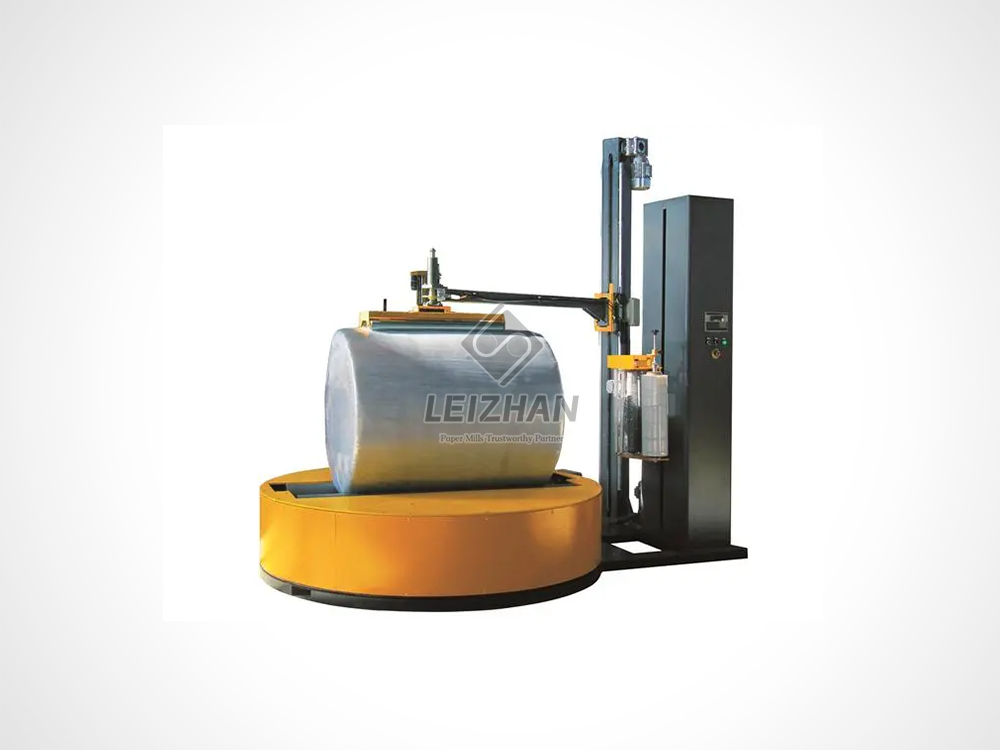
The Financial and Operational Benefits of Multi-Site Mobility
For procurement officers and operations directors, the decision to invest in packaging machinery ultimately comes down to Return on Investment. Purchasing redundant stationary equipment for facilities that only operate at low capacity is a massive drain on resources. A transportable wrapping solution directly addresses this financial inefficiency.
Maximizing ROI Through Equipment Sharing
Third-Party Logistics providers and mid-sized enterprises often operate multiple smaller distribution centers within a specific region. Instead of purchasing three separate stationary wrappers for three facilities, a company can invest in one premium portable unit. By sharing this equipment across nearby facilities based on weekly or monthly schedules, businesses drastically cut their initial capital outlay. This equipment-sharing model maximizes the utilization rate of the machine. Consequently, it accelerates the depreciation schedule and delivers a faster, highly measurable ROI.
Adapting to Seasonal Demand and Overflow
Supply chain demands are rarely static. Industries such as agriculture, retail e-commerce, and construction experience aggressive seasonal peaks. During the fourth-quarter holiday rush, companies are frequently forced to lease short-term overflow warehouses. Installing a permanent, bolt-down stretch wrapper in a temporary three-month facility is financially absurd. A mobile unit deploys quickly to an overflow warehouse to handle the seasonal surge. It survives the dusty environments and chaotic dock layouts, returning easily to the primary distribution center once peak season concludes.
Step-by-Step: How to Safely Execute a Site Transfer
Moving heavy industrial machinery requires strict adherence to safety protocols. A poorly executed Site Transfer can result in severe damage to sensitive electronics and mechanical drives. Below is an actionable, engineer-approved standard operating procedure for relocating your wrapper.
Pre-Move Preparation
Preparation is the most critical phase of the transfer. First, operators must lower the dispensing carriage to the absolute bottom of the mast. Leaving it elevated raises the machine's center of gravity and makes it highly susceptible to tipping. Next, completely disconnect all power sources. For plug-in models, coil and secure the heavy power cord using heavy-duty zip ties to prevent it from being crushed by forklift tires. If the mast is collapsible, carefully fold it down. Listen for the distinct click of the locking pin engaging into its horizontal transit position.
Lifting and Loading
When lifting the machine, operators must exclusively use the designated channels in the base. The forklift operator should ensure the heavy steel tines are fully inserted. The machine must rest flush against the backrest of the forklift carriage. Under no circumstances should the machine be lifted by the turntable disk or the mast column. Once lifted, drive the machine at a creeping speed. Keep it barely inches off the ground until it is ready to be placed gently onto the transport vehicle.
Securing for Transit
Inside the truck or trailer, the machine must be completely immobilized. Use heavy-duty ratchet straps to secure the base of the wrapper to the transport vehicle's floor anchors. Avoid placing straps directly over the control panel, delicate photo-eye sensors, or the dispensing carriage. The immense tension and highway vibrations will instantly crush these delicate components. If the mast cannot be folded, brace it securely against a rigid wooden bulkhead to prevent violent swaying.
Portable vs. Stationary Wrappers: Core Comparison
Making an informed procurement decision requires comparing mobile solutions against traditional stationary equipment. Neither option is universally superior. The correct choice depends entirely on a facility's specific operational workflow, floor space flexibility, and long-term automation goals.
| Feature | Portable Pallet Wrapper | Stationary Stretch Wrapper |
| Installation | Plug-and-play, no floor bolting required | Requires deep concrete anchors |
| Flexibility | High. Moves easily between facilities and zones | Low. Fixed permanently to one specific wrapping zone |
| Ideal Volume | Low to medium throughput, seasonal surges | High-volume, continuous 24/7 automated operations |
| Footprint | Adaptable, can be stored away when not in use | Permanent footprint, consumes dedicated floor space |
| CapEx Impact | Lower overall cost through multi-site sharing | High cost if outfitting multiple low-volume sites |
When to Choose Mobility
A transportable model is the optimal choice for lower-volume operations or businesses managing multiple small regional warehouses. Agricultural operations that wrap pallets of fresh produce directly at different dusty farm sheds during harvest season benefit immensely from this Mobility. Furthermore, startup e-commerce brands anticipating rapid warehouse expansion should avoid bolting down stationary equipment, making a portable unit the far more prudent investment.
When to Stick with Stationary
Conversely, stationary wrappers remain the undisputed industry standard for high-throughput distribution centers. If a facility wraps hundreds of pallets per shift and utilizes automated, indexing powered conveyors to move pallets directly into the wrapping zone, a stationary machine is mandatory. They bolt deep into the concrete floor to handle continuous, heavy-duty rotational forces without shifting.
Potential Challenges When Moving Wrapping Machines Between Facilities
To make a risk-aware decision, buyers must acknowledge the potential downsides of frequently moving industrial packaging equipment. Transparency regarding these challenges ensures that maintenance teams are prepared for the realities of multi-site equipment sharing.
Recalibrating Sensors and Film Tension
Highway transit introduces significant vibrations and physical jolts. Even when strapped down flawlessly, these vibrations affect machine calibration. The sensitive photo-eye sensors, which automatically detect the height of the pallet, may shift slightly out of alignment. Similarly, the intricate mechanical gears within the pre-stretch Film Carriage might require a tension adjustment after a bumpy ride. Facility managers should mandate a 10-minute test cycle and recalibration process every time the machine arrives at a new site to ensure optimal load containment.
Transit Damage Risks
The most significant risk during relocation is mechanical damage caused by improper handling. If a forklift operator drops the machine abruptly, the impact crushes the turntable support bearings located under the rotating disk. Replacing these bearings is incredibly costly and results in severe equipment downtime. Additionally, if the mast is not secured properly, the leverage generated during a sudden stop in transit causes micro-fractures in the weld joints at the base.
Key Features for a Multi-Site Wrapper: An Engineer's Selection Guide
If your logistical analysis points toward purchasing a mobile unit, select a machine built explicitly for frequent relocation. Not all wrappers survive the highway. Procurement teams should use the following engineering criteria as a strict buyer's checklist.
Heavy-Duty Frame and Forklift Pocket Integration
The structural frame dictates the lifespan of the machine. Look for wrappers constructed from robust Q235 carbon steel rather than lightweight folded sheet metal. The frame must be rigid enough to support heavy loads—often up to 2000kg on the turntable—without flexing when lifted. Verify that the Forklift Pocket channels are fully welded, enclosed tubular steel built directly into the base structure.
Enclosed and Protected Film Delivery System
Because the machine moves frequently, the dispensing unit faces a much higher risk of bumping into walls or dock doors. An ideal multi-site wrapper features a heavily guarded carriage design. This impact-resistant casing shields the powered pre-stretch rollers, which typically offer stretch ratios of 250% to 300%. A fragile, exposed carriage will inevitably suffer catastrophic damage during a chaotic warehouse move.
Smart, Resilient Control Systems
Shared machines are operated by different warehouse teams with varying technical expertise. Complex interfaces lead to operator error and wasted film. Look for advanced PLC control systems featuring intuitive, user-friendly touchscreens. Simple pre-programmed wrap cycles ensure that any operator at any site can power on the machine and achieve perfect load containment instantly.
Is a Mobile Pallet Wrapper the Right Investment for Your Business?
Moving a portable pallet wrapper between sites is a highly effective strategy for modern supply chains. When executed correctly, it is completely safe. The right equipment empowers your business to slash redundant capital expenditures while maintaining professional packaging standards across every facility. It turns the logistical headache of outfitting temporary warehouses into a seamless, cost-saving operation.
Ready to upgrade your packaging efficiency and embrace true operational flexibility? Stop wasting capital on rigid infrastructure. Evaluate your daily wrapping volume and multi-site distances. If you need a robust, transportable solution, explore the reliable, high-performance stretch wrapping machines from Leizhan Paper Tech. Find the perfect fit for your dynamic operations today at https://www.leizhanpapertech.com.
FAQ
Can any pallet wrapper be moved with a forklift?
No. Only machines specifically designed with integrated lifting pockets should be moved using a standard warehouse lift. Attempting to lift a standard stationary wrapper by sliding forks underneath its base from the wrong angle will permanently warp the turntable, damage the slew bearing, and compromise the machine's structural integrity. Always verify that the equipment is officially rated for mobility by the manufacturer before lifting.
Do I need to recalibrate the film carriage after a site transfer?
It is highly recommended to run a brief test cycle upon arrival at a new facility. While industrial portable machines are incredibly durable, the dispensing carriage and internal pre-stretch gears can shift slightly during highway transit. Running a test pallet ensures the photo-eye sensors accurately read load height and that film tension remains correctly calibrated to prevent load crushing.
How long does it take to set up a portable pallet wrapper at a new site?
If the machine is a standard plug-and-play model, setup takes less than 15 minutes once safely unloaded from the truck. Operators simply plug it into a standard industrial outlet, verify sensor alignment, and begin wrapping. Battery-operated mobile robots offer even faster deployment, essentially starting work the second they roll off the transport vehicle.
Will moving the machine frequently void its warranty?
Generally, no, provided the unit is officially designated as a portable pallet wrapper by the manufacturer and you strictly follow their established guidelines for site transfers. Damage caused by improper lifting, dropping the machine, or failing to secure the mast during transit is usually not covered. Always review your specific warranty terms and ensure your logistics team is trained on correct moving procedures.
What is the maximum distance a portable wrapper should be transported?
There is no strict mechanical mileage limit. However, the economic viability drops if sites are thousands of miles apart due to high freight costs. For regional supply chain networks operating within a 50 to 200-mile radius, frequent relocation remains highly cost-effective and practical.
How does a portable wrapper handle uneven warehouse floors?
Premium transportable models feature adjustable leveling feet or heavy-duty base plates designed to compensate for minor floor irregularities. However, for safe operation and accurate sensor readings, the machine must be placed on a relatively flat, stable concrete surface before initiating a high-speed wrap cycle.


