Packaging elongated goods by hand creates massive bottlenecks on the factory floor. Traditional strapping fails to provide adequate protection. Standard pallet equipment simply cannot handle the sheer length of these materials. These outdated methods damage expensive products. They generate excessive plastic waste. Furthermore, manual wrapping drastically spikes workplace injury rates.
A horizontal stretch wrapper—often referred to as an orbital wrapper—eliminates these logistical nightmares. It automates the containment process completely. Facilities instantly improve throughput. They secure awkward loads previously deemed impossible to manage.
This engineering guide breaks down exactly which materials demand this machinery. We will explore how it drives daily productivity. You will also learn the exact technical specifications to verify before upgrading your packaging line.
Key Takeaways
- Orbital wrappers secure elongated, unpalletized items that physically cannot fit on vertical turntables.
- Industries processing raw wood, metal cylinders, and fragile architectural extrusions see the fastest return on investment.
- Integrating these machines into automated conveyors slashes labor costs and clears staging area congestion.
- Selecting the correct equipment requires calculating maximum diagonal load dimensions and matching PLC control capabilities.
Current Industry Trends in Elongated Load Packaging
Supply chain demands are shifting rapidly across the manufacturing sector. Facilities face soaring freight damage penalties from logistics providers. Stricter environmental mandates now target excessive plastic and wood waste. As a result, the packaging industry is moving aggressively away from heavy wooden crating and manual metal strapping.
Market data shows a sharp pivot toward automated orbital wrapping. Modern factories require sustainable, high-tension containment. They must reduce consumable material costs while maintaining absolute structural integrity during rough transit. Automation is no longer an optional upgrade; it is a baseline requirement for competitive manufacturing.
The Mechanics Behind the Horizontal Stretch Wrapper
Facility managers must grasp the core mechanics of their equipment to optimize production. An orbital wrapper is engineered specifically for unpalletized, elongated items.
How does it actually work? A vertically mounted rotating ring serves as the primary dispenser. The product travels horizontally along an automated conveyor belt. As the load passes through, this ring spins rapidly around the item. It applies polyethylene film in a tight, overlapping spiral pattern. Forget operators walking backward in dizzying circles while pulling heavy rolls. The mechanical carriage maintains continuous, precise tension across the entire length of the load.
Contrast this with vertical pallet wrappers. Vertical units spin a cubed, stacked pallet on a turntable. They are excellent for standard warehouse pallets. However, they are physically incapable of wrapping long, loose bundles. Horizontal systems bridge this exact logistical gap.
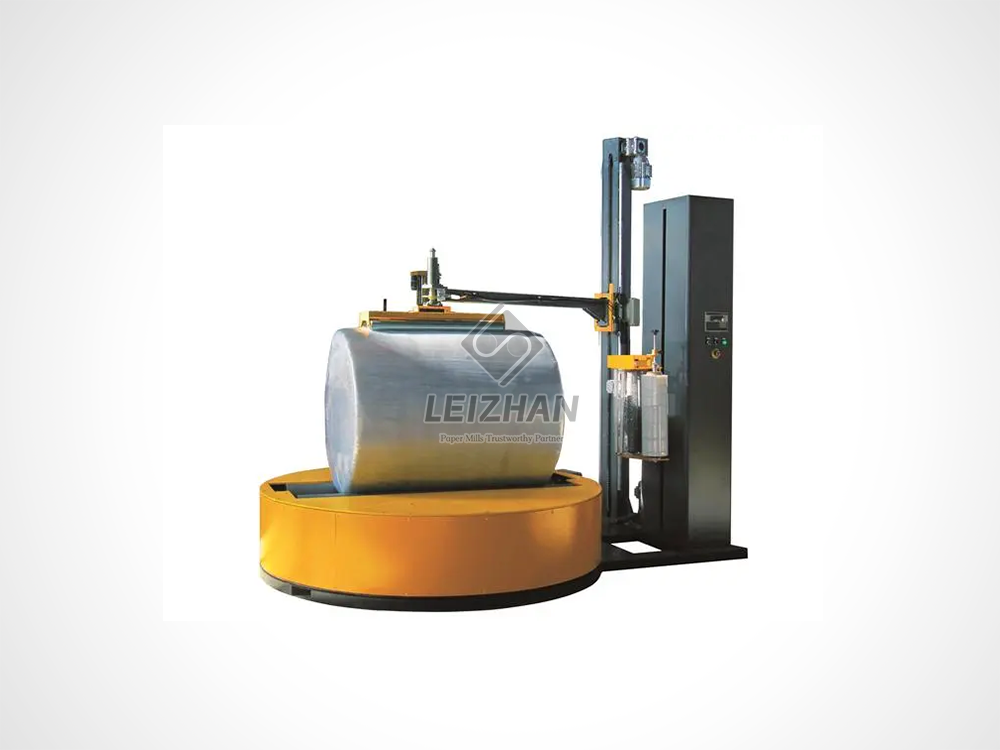
Identifying Elongated Goods That Require Orbital Wrapping
This equipment secures items too unstable or awkwardly shaped for standard shipping methods. Let us examine the specific materials that rely heavily on this technology.
Raw and Engineered Wood
The lumber industry battles constant load shifting during transport. Heavy planks and delicate Timber are highly vulnerable to weather degradation. Unsecured wood on flatbeds creates severe safety hazards for drivers.
Mechanized wrapping binds loose boards into a solid, cohesive unit. The spiral film application provides immense containment force. It locks the pieces together, eliminating internal friction. The plastic also acts as a waterproof barrier against road dust and moisture.
Metal Cylinders and Tubing
Cylindrical items present a notorious packaging challenge. PVC, extruded steel, and copper tubing require uniform, 360-degree pressure. Without it, a pipe bundle naturally attempts to roll apart.
Manual labor fails here. Human operators simply cannot generate the consistent tension needed. The automated wrapper compresses these pipes into a rigid hexagonal shape. This prevents the metal from scratching or separating during transit.
Fragile Architectural Extrusions
Elongated building materials represent a high-value category. Aluminum extrusions, plastic moldings, and delicate Long Profiles suffer easily from surface abrasion. Minor friction ruins the finish and renders the product unsellable.
The orbital system applies film like a second skin. It prevents abrasion without applying crushing force that might bend the profiles. The final package is rigid, dust-free, and highly protected against micro-vibrations.
Wide Panel Boards and Doors
Flat, wide goods like window frames and panel boards are exceptionally bulky. Shipping them in bulk requires strict stabilization. Otherwise, finished surfaces rub together and scratch deeply.
Engineers customize wrappers for these panels using top-press down rollers. These motorized rollers apply gentle downward pressure. The heavy boards stay perfectly aligned as they pass through the rotating ring.
Industrial Textiles and Carpets
Fabric rolls must remain tightly wound. If a carpet roll telescopes during transit, it becomes tangled and worthless. Textiles also demand strict protection from dirt contamination.
The machine's continuous rotation keeps the core tightly wound. It completely encapsulates the fabric. This guarantees the material arrives at the distributor in factory-clean condition.
Engineering a More Productive Packaging Line
Replacing manual labor with mechanized systems transforms daily throughput. Decision-makers must analyze the measurable impacts on factory efficiency.
Eliminating Congestion via Continuous Flow
Manual wrapping stations often become the factory's primary bottleneck. Milling machines outpace human labor easily. Products pile up at the end of the line.
Installing the wrapper directly into the primary conveyor achieves true Inline Wrapping. The product moves horizontally through the ring. Forklifts do not need to lift or reposition the load. This continuous flow synchronizes packaging with upstream production, clearing staging area congestion immediately.
Slashing Consumable Waste
Hand-wrapping wastes massive amounts of plastic. Operators apply film unevenly. Standard hand film stretches very little. You pay for thick plastic without maximizing its actual yield.
Modern automated machines utilize powered pre-stretch carriages. These mechanical rollers elongate the film up to 250 percent before application. One meter of film yields over three meters of coverage. This mechanical advantage slashes your cost-per-load.
| Packaging Method | Throughput Speed | Material Waste | Load Integrity for Long Items | Labor Cost |
| Manual Hand-Wrapping | Very Slow | High | Inconsistent / Poor | High |
| Vertical Pallet Wrapper | Medium | Low | Incompatible | Low |
| Horizontal Orbital Wrapper | Very Fast | Very Low | Excellent / Rigid | Minimal |
Objective Thresholds for Equipment Upgrades
When is the exact right time to automate? Industrial engineers rely on specific production metrics to justify the capital expenditure.
First, analyze your daily volume. If your crew manually wraps over 50 elongated bundles per shift, labor costs are bleeding your margins. At higher volumes, an automated machine pays for itself rapidly.
Next, evaluate freight damage. High customer return rates due to surface abrasions signal an immediate need for better containment. The cost of reverse logistics vastly outweighs the monthly financing of new equipment.
Finally, factor in labor shortages. Finding reliable manual labor is increasingly difficult. Automation guarantees your shipping schedule remains immune to staffing fluctuations.
Technical Specification Guide for Buyers
Selecting the correct machine prevents operational failures. You must match the equipment's engineering to your product's physical dimensions.
Sizing the Ring Diameter
The rotating ring's internal diameter is your most critical specification. It must clear the maximum diagonal dimension of your largest bundle.
Calculate the maximum width and height. Find the diagonal. Then add a 20 percent safety margin. Standard industrial models feature ring diameters ranging from 400mm for small profiles up to 2000mm for large panel boards. Choosing an undersized ring leads to catastrophic carriage collisions.
Calculating RPM and Conveyor Ratios
Packaging speed relies on the ratio between the ring's RPM and the conveyor's linear speed. High-performance machines feature variable frequency drives to adjust this ratio precisely. If the conveyor moves too fast, the spiral gap widens. If it moves too slow, you waste film. Look for systems offering robust PLC controls that allow operators to save specific wrap recipes, ensuring a perfect 30 to 50 percent overlap every time.
Essential Infeed Modifications
Standard machines require tweaking for specific materials. V-shaped conveyor tracks use gravity to nest loose pipes tightly. Top-press down rollers stabilize lightweight plastics. For high-speed operations, automatic clamping and cutting modules sever the film tail automatically. This removes the operator from the cycle entirely.
Assessing Automation Levels
Your required automation level dictates the initial price and ongoing maintenance protocols. Choose based on your facility's daily throughput.
Semi-Automatic Configurations
An operator must trigger every cycle. They load the product, attach the film, press start, and manually cut the tail. These units are highly practical for facilities processing highly variable product sizes at lower volumes. You gain the mechanical tension benefits without the cost of complex sensor arrays.
Fully Automatic Integration
These systems integrate seamlessly into active production lines. Photoelectric sensors detect approaching loads and adjust conveyor speeds automatically. Mechanical arms attach, cut, and wipe down the film. For high-volume manufacturers, this level of engineering is absolutely mandatory to prevent downstream bottlenecks.
Final Engineering Thoughts
Securing elongated goods demands purpose-built technology. Relying on manual labor or vertical wrappers for unpalletized materials is financially reckless. An orbital wrapper protects profit margins, clears factory bottlenecks, and guarantees product integrity.
Do not let outdated packaging methods throttle your production capacity. Evaluate your current throughput and damage rates today. For robust, highly engineered packaging solutions tailored to your exact specifications, explore the advanced systems at Leizhan to find the perfect match for your factory floor.
Frequently Asked Questions
What kind of stretch film is used in a horizontal stretch wrapper?
These machines utilize machine-grade cast or blown polyethylene stretch film. Unlike vertical wrappers that use standard wide rolls, horizontal machines require narrower formats. Depending on the ring size and tension requirements, these rolls usually range from five to ten inches in width.
Can the machine handle products of varying lengths?
Yes. The fundamental design accommodates products of theoretically infinite length. The item moves horizontally on a linear conveyor. The machine simply continues applying film as long as the sensors detect the product passing through the zone.
What factors affect the packaging speed?
Throughput speed is dictated by four primary variables. These include the maximum rotational RPM of the ring, the linear speed of the conveyor, the cross-sectional dimensions of the load, and the required overlap ratio. A higher overlap ratio requires a slower conveyor speed, which reduces overall linear throughput.
How do I wrap a loose bundle without it falling apart before entering the machine?
Securing loose cylinders requires dedicated material handling accessories. Engineers install V-shaped conveyor rollers to force loose pipes into a nested bundle using gravity. Side-guide rollers and top-press mechanisms hold the items firmly in place right before the film is applied.
What is the maximum length an orbital wrapper can handle?
Because the product feeds continuously through the rotating ring via a conveyor system, there is no mechanical limit to the length of the product. As long as the infeed and outfeed conveyors are properly supported, the machine can wrap extrusions or pipes of any length.
How much film can a powered pre-stretch carriage actually save?
A powered pre-stretch carriage can elongate the film by up to 250 percent before it wraps the product. This means one meter of film off the roll converts into three and a half meters of usable packaging material. This mechanical efficiency typically reduces daily consumable film costs by 30 to 50 percent compared to manual hand-wrapping.


