Untethered packaging equipment is changing how distribution centers operate. Facility managers constantly battle machine downtime, and the actual secret to seamless automation is usually hidden under the hood. We need to look closely at the energy storage powering these robotic systems.
Recent industry analyses show a massive shift toward decentralized packaging zones. Driven by surging e-commerce volumes, rigid wrapping lines are rapidly being replaced by agile autonomous fleets. This logistical evolution places unprecedented demands on energy storage. The market is innovating beyond traditional chemistries and pushing towards high-density lithium solutions that support continuous fulfillment cycles without faltering.
Whether you manage a bustling urban distribution hub or a quiet satellite facility, understanding your equipment's power source is critical. This guide breaks down runtime optimization, intelligent replenishment protocols, and remote operations to help you maximize your packaging equipment investment from a practical engineering perspective.
Key Takeaways
- Autonomous wrapping systems rely on four specific chemistries: Flooded Lead-Acid, AGM, Gel, or Lithium-Ion.
- Performance fluctuates based on load dimensions and usage frequency, generally yielding 150 to 300 wrapped pallets per full cycle.
- Lithium-ion technology provides accelerated replenishment and a zero-maintenance structure, offsetting its higher initial capital expenditure.
- Deploying equipment in isolated logistics hubs demands rigorous evaluation of reliability, ambient temperature tolerance, and available infrastructure.
- Strict adherence to structured replenishment protocols and routine maintenance schedules prevents catastrophic operational bottlenecks.
What is a Battery-Powered Mobile Stretch Wrap Machine?
A robotic stretch wrapper is an autonomous packaging device engineered to navigate around a stationary pallet. Unlike conventional turntable wrappers that require a forklift to lift and spin the load on a rotating base, this mobile unit drives itself systematically dispensing and applying stretch film. This fundamental design shift accommodates oversized, exceptionally heavy, or highly unstable loads that simply cannot be safely rotated.
The integration of a robust power source is what truly defines this equipment. Being untethered eliminates the spatial limitations and severe tripping hazards associated with tethered cords. It empowers operators to bring the Mobile Stretch Wrap Machine directly to the staging area or loading dock. You no longer have to dangerously transport precarious pallets across a busy facility to a fixed wrapping station.
From an operational perspective, the energy storage functions as the core engine. Facility managers evaluating capital purchases must recognize that selecting an inadequate power source directly correlates with reduced daily throughput and significantly increased maintenance overhead.
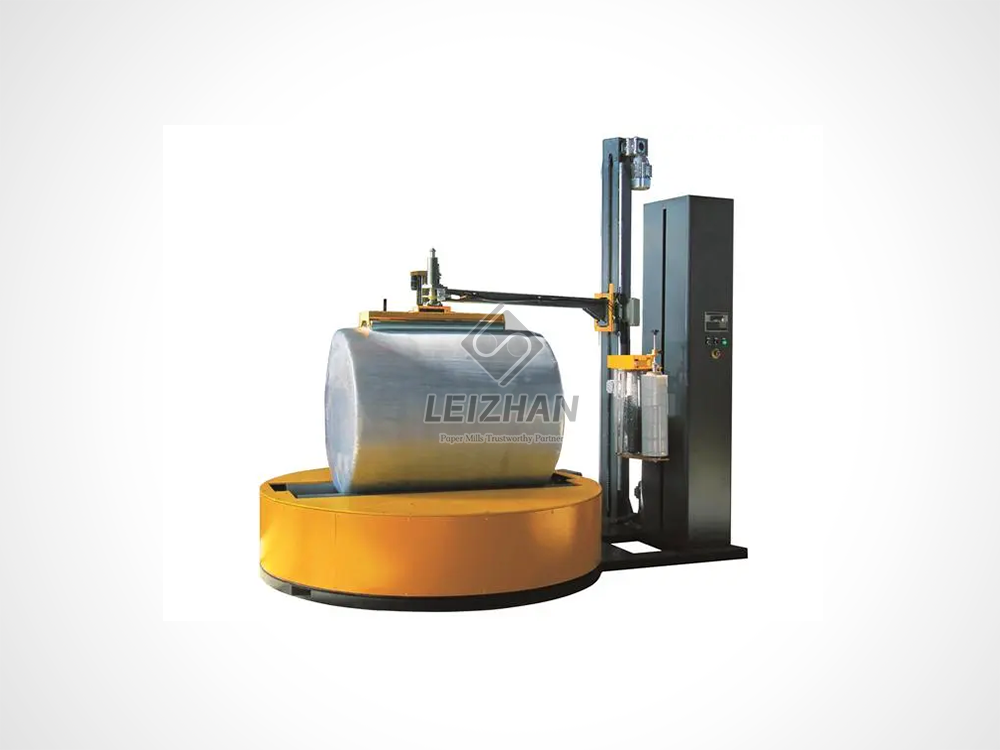
The 4 Main Batteries That Power a Mobile Stretch Wrap Machine
Industrial material handling equipment relies on specific chemistries tailored to deliver sustained power over extended shifts. Currently, four primary types dominate the mobile wrapper market. Each presents unique advantages and maintenance profiles.
Flooded Lead-Acid Batteries
Flooded lead-acid units represent the traditional and historically prevalent power source in industrial applications. They offer high energy capacity and a highly attractive upfront procurement cost. However, they demand rigorous and consistent upkeep. Facility staff must perform regular distilled water top-offs to maintain optimal electrolyte levels. Furthermore, these units emit hydrogen gas, mandating the construction of specialized well-ventilated zones to comply strictly with industrial safety regulations.
Absorbent Glass Mat AGM Batteries
Absorbent Glass Mat batteries utilize a specialized fiberglass mat to absorb and suspend the sulfuric acid electrolyte. This innovative design renders them completely sealed and maintenance-free, entirely eliminating the tedious need for water top-offs. AGM units exhibit superior durability and exceptional resistance to mechanical vibration. Such structural integrity makes them highly suitable for the constant motion and directional changes inherent to a robotic wrapper navigating uneven warehouse concrete.
Gel Cell Batteries
Similar to AGM technology, gel cell units are sealed and maintenance-free. They utilize a silica additive to transform the liquid electrolyte into a thick immobile gel. Engineered for exceptional performance in deep-cycle applications, they can be discharged to a significantly lower capacity without sustaining permanent cellular damage. They also demonstrate notable resistance to extreme ambient temperatures, maintaining highly stable discharge rates even in harsh unheated environments.
Lithium-Ion Batteries
Lithium-ion technology serves as the modern premium upgrade for mobile robotic packaging. The operational benefits are substantial. They offer ultra-fast replenishment capabilities and fully support opportunity plug-ins. This flexibility allows operators to plug the equipment in during short lunch breaks without degrading the total lifespan. Additionally, lithium-ion units weigh significantly less and generally offer a lifespan that is two to three times longer than traditional lead-acid counterparts.
Core Comparison for Equipment Selection
To simplify the selection process for your facility, use the following engineering baseline parameters when evaluating power sources for automated wrapping systems.
| Battery Chemistry | Maintenance Requirement | Average Cycle Life | Replenishment Speed | Best Logistics Application |
| Flooded Lead-Acid | High Water Top-offs | 500 to 1000 cycles | 8 to 10 hours | Low-volume single-shift operations |
| AGM | Zero | 400 to 600 cycles | 6 to 8 hours | Facilities with uneven floor conditions |
| Gel Cell | Zero | 500 to 1000 cycles | 8 to 10 hours | Cold storage and unheated hubs |
| Lithium-Ion | Zero | 2000 to 3000 cycles | 2 to 3 hours | Multi-shift 24/7 high-throughput logistics |
Lead-Acid vs. Lithium-Ion: Choosing the Right Power Source
The decision between traditional lead-acid and modern lithium-ion chemistries hinges on a comprehensive Total Cost of Ownership analysis. While lead-acid presents an attractive upfront cost for entry-level capital equipment purchases, lithium-ion frequently achieves a positive return on investment within three to five years despite its premium initial cost.
This cost reduction is driven by the total elimination of maintenance labor and a drastically extended replacement cycle. Weight and energy efficiency also play critical roles. When wrapping standard loads up to 2400mm in height using a 250 percent pre-stretch ratio, the machine's carriage lift motor and film delivery system draw significant amperage. A Battery Powered wrapper using a lighter lithium pack decreases the mechanical strain on the drive motors. This results in slightly improved agility and optimized energy consumption per pallet wrapped.
Shift structure is often the defining variable. For single-shift operations wrapping 50 to 100 pallets daily, a lead-acid system provides sufficient capacity to complete the workday and recharge overnight. By contrast, multi-shift operations demand lithium-ion technology. The ability to execute rapid plug-ins entirely eliminates the need to purchase secondary backup units or implement hazardous mid-shift swap procedures.
How to Optimize Battery Runtime for Your Mobile Stretch Wrap Machine
In the context of robotic packaging equipment, Battery Runtime is rarely measured in pure hours. Instead, it is quantified by the total number of pallets successfully wrapped per full charge cycle. A standard baseline ranges from 150 to 300 pallets, but this metric is highly variable depending on daily operational habits and machine settings.
Several physical and mechanical factors directly impact this performance. Taller or wider pallets require the machine to drive a longer perimeter and elevate the film carriage higher, consuming more drive and lift motor energy. If your equipment is set to high pre-stretch ratios and tight tension settings, the carriage motors demand more torque, incrementally draining the power reserves faster. Operating on rough or sloped concrete forces the traction motors to work harder, accelerating power depletion compared to smooth warehouse floors.
To maximize operational longevity, operators should implement evidence-based practices. If an operator notices sluggish carriage movement, they should immediately check the rollers for debris. Excessive friction forces the motors to draw higher amperage. Standardizing wrapping profiles in the machine's software prevents staff from applying unnecessary layers of film, saving both material and electrical energy. Keeping the wrapping zone clear of loose debris allows the machine's navigation sensors and drive wheels to operate smoothly without power-draining corrective maneuvers.
Charging Best Practices for Battery-Powered Stretch Wrappers
Establishing a standardized replenishment protocol is vital for preserving battery chemistry and ensuring consistent equipment availability. Most modern machines feature built-in high-frequency chargers compatible with standard 110V or 220V industrial outlets, offering immense deployment flexibility.
Understanding the specific Charging cycle of your power source prevents premature failure. For lead-acid systems, operators must avoid short cycling. This is the harmful practice of unplugging the unit before it reaches maximum capacity. Repeated short cycling causes sulfation on the lead plates, permanently degrading energy retention. By contrast, lithium-ion systems thrive on opportunity plug-ins and do not suffer from memory effect. This allows them to be safely tethered to power for brief fifteen-minute bursts during shift changes.
Safety protocols must be strictly enforced on the floor. Warehouse staff should be trained to inspect power cables for exposed wiring daily. They must ensure the machine is fully powered down before initiating a connection and verify that connector terminals are free of dust and corrosion to prevent dangerous electrical arcing.
Operating a Mobile Stretch Wrap Machine in a Remote Warehouse
Deploying automated packaging equipment in a Remote Warehouse or an unstaffed satellite distribution center introduces unique logistical constraints. These isolated facilities typically experience wider ambient temperature fluctuations, operate with minimal on-site personnel, and critically lack dedicated maintenance technicians.
In these environments, selecting a maintenance-free power source is an absolute necessity. Utilizing flooded lead-acid batteries in an off-site location is highly inefficient because it requires dispatching a technician solely to monitor water levels and clean terminal corrosion. AGM, Gel, or Lithium-Ion chemistries mitigate this risk entirely, ensuring the machine remains operational without specialized localized upkeep.
Cold storage applications further complicate the selection process. Standard flooded units suffer severe capacity drops in sub-zero environments, sometimes losing up to half of their effective runtime. For cold storage or unheated remote facilities, Gel cell batteries and specialized cold-rated Lithium-Ion units are engineered to maintain internal resistance and deliver consistent power despite thermal extremes.
Maintenance Guide for Mobile Stretch Wrap Machine Batteries
Implementing a rigorous and consistent maintenance protocol is the single most effective strategy for preserving the lifespan of your equipment. Because a robotic stretch wrapper relies entirely on its internal energy reserves to navigate and apply film, any degradation in health directly translates to catastrophic operational downtime.
Daily Pre-Shift Inspections
Before an operator initiates the first wrapping cycle of the day, a standard visual inspection should be mandatory. Staff should visually inspect the exterior casing for any signs of physical damage, swelling, or excessive heat retention from the previous night. Examining the heavy-duty cables connecting the power source to the machine's drive motors is equally important. Frayed insulation or pinch points can quickly lead to short circuits. Terminal connections must also be scrutinized daily to ensure no white powdery lead sulfate substance is accumulating and acting as an electrical insulator.
Water Level Management
While modern lithium-ion and sealed AGM units are virtually maintenance-free, traditional flooded lead-acid requires strict monthly upkeep. Flooded units naturally lose water during the chemical reaction that occurs while plugged in. Once a month, technicians must check the electrolyte levels in each cell, using exclusively distilled or deionized water for top-offs. Standard tap water contains dissolved minerals that will coat the internal lead plates and permanently destroy capacity.
Equalization Charging
Over time, the individual cells within a lead-acid pack can develop voltage imbalances. To combat this, manufacturers recommend performing an equalization charge every thirty days. This controlled low-amperage overcharge forces all cells to reach their maximum voltage, effectively stripping away light sulfation and mixing the electrolyte fluid to prevent acid stratification.
Terminal Cleaning and Torque Verification
Monthly maintenance should include a thorough cleaning of the terminals using a mixture of baking soda and water to neutralize any acid residue. After cleaning, technicians should use a torque wrench to ensure all terminal bolts are tightened to the manufacturer's exact specifications. The constant vibrations from the moving robotic wrapper can gradually loosen these vital connections over time.
Making the Final Decision: Upgrading Your Mobile Stretch Wrap Machine
Transitioning to a new robotic wrapper or upgrading the power source of your existing fleet requires a methodical evaluation of your specific logistical environment. The primary metric dictating your requirements is your daily pallet wrapping volume. Warehouse managers must evaluate not just the average daily volume, but the peak volume during seasonal rushes.
In single-shift operations processing 50 to 150 pallets per day, a standard AGM or flooded lead-acid unit is typically sufficient. The machine can wrap continuously throughout the shift and be plugged in overnight. If your facility operates on two or three shifts processing high volumes daily, a traditional lead-acid unit will become a severe bottleneck. Upgrading to a lithium-ion unit allows for rapid opportunity charging during operator breaks, keeping the machine running continuously without ever needing an exhaustive swap.
Before finalizing a purchase, conduct a thorough audit of your facility's electrical and spatial infrastructure. Verify if you have the dedicated ventilated space required for flooded units, or if you need the decentralized flexibility of sealed AGM or lithium-ion configurations. Consulting with packaging automation specialists ensures you match the precise chemistry to your operational workflow, temperature environment, and shift schedule.
Conclusion
The energy storage system acts as the pulsing heart of any mobile stretch wrap machine. Choosing the right power source directly impacts your daily warehouse productivity, equipment agility, and bottom line. Optimizing runtime parameters and enforcing structured replenishment habits will drastically extend the lifespan of your mechanical investment. Always evaluate your specific operational needs, facility infrastructure, and shift volumes before making a procurement decision. We encourage you to explore our advanced automated wrapping equipment at Leizhan Paper Tech to find the ideal tailored packaging solution for your unique logistical environment.
FAQ
Q1: How long does the battery last on a mobile stretch wrap machine?
The operational runtime typically lasts for 150 to 300 pallet wraps per single charge. This metric is highly variable and depends on operational factors like pallet dimensions and pre-stretch settings. Taller and wider loads require the machine to drive further and output more vertical carriage movement, consuming more energy. For most standard warehousing operations, a fully charged machine will comfortably last through an entire eight-hour shift before requiring a recharge.
Q2: Can I plug a battery-powered stretch wrapper into a standard wall outlet?
Yes, the vast majority of modern mobile wrappers are engineered for maximum operational convenience and feature built-in high-frequency smart chargers. These onboard systems are typically designed to be plugged directly into standard 110V or 220V AC wall outlets. Operators simply drive the machine to a designated wall outlet at the end of their shift and plug it in using a standard extension cord.
Q3: Is a lithium-ion battery worth the extra cost for a mobile stretch wrapper?
The return on investment for a lithium-ion unit depends entirely on your operational volume. If your facility runs multiple shifts, requires rapid opportunity plug-ins to minimize downtime, or operates in an off-site location where routine maintenance is difficult to enforce, lithium-ion is highly cost-effective over the long term. It eliminates watering labor and lasts up to three times longer than traditional units. For low-volume single-shift operations, a standard AGM or flooded lead-acid unit remains a highly practical choice.
Q4: How long does it take to fully charge the machine?
Charge times are dictated by the specific chemistry housed within the machine. Traditional flooded lead-acid and AGM units typically require eight to ten hours to achieve a full charge, followed by an essential cool-down period to prevent thermal degradation. Conversely, lithium-ion units can accept a much higher current, allowing them to fully charge from zero to one hundred percent in just two to three hours.
Q5: Can you leave a stretch wrapper plugged in overnight?
Modern automated stretch wrappers equipped with smart chargers or Battery Management Systems can be safely left plugged in overnight. These intelligent systems automatically monitor the voltage and taper off the electrical current to a maintenance trickle charge once the capacity reaches one hundred percent. This prevents overcharging and thermal damage. However, older equipment without smart charging capabilities should be monitored to prevent boiling the electrolyte fluid.
Q6: How do I know when my stretch wrapper battery needs replacing?
The most obvious indicator is a severe reduction in operational runtime. If your wrapper previously handled 200 pallets per charge but now struggles to finish 80 pallets, the internal cells have likely degraded. Other critical engineering signs include sluggish carriage lift speeds, the traction motors struggling to navigate minor floor slopes, excessive heat radiating from the casing during use, or visible physical swelling of the unit's exterior walls.
Q7: Can I use a mobile stretch wrap machine in a cold storage or remote warehouse?
Yes, these machines are frequently utilized in cold chain logistics. However, sub-zero temperatures increase the internal resistance of the power source, which can significantly reduce your overall runtime. Standard flooded lead-acid units are prone to freezing if discharged too deeply in cold environments. For cold storage facilities or unheated satellite warehouses, Gel cell or specialized Lithium-Ion units are strongly recommended due to their superior temperature resilience and zero-maintenance requirements.


