The foundation of everyday products—from delicate sanitary tissues to the robust cardboard boxes shipping goods globally—relies on a hidden, highly engineered piece of industrial machinery. While the term might occasionally surface in construction circles for concrete testing, in the realm of heavy industrial manufacturing, an industrial Cylinder Mould serves as the beating heart of paper and board production.
This dynamic, rotating drum is specifically designed to filter a liquid pulp mixture. It extracts water rapidly to form a continuous, solid web of intertwined paper fibers. In this comprehensive industry guide, we will explore the intricate mechanics behind this equipment. You will discover how the internal components function in unison, its critical role across various paper grades, and the key parameters mill managers must evaluate when upgrading their production lines.
Key Takeaways
Primary Function: The equipment acts as a massive rotary filter in papermaking. It utilizes hydrostatic pressure to extract water from a suspended pulp mixture, forming a uniform wet paper web.
Core Components: Operational efficiency hinges on the internal structural rigidity of the central spokes and the precise engineering of the outer stainless steel or synthetic screen.
Major Applications: This technology is indispensable for manufacturing thick multi-ply paperboards and heavy-duty kraft paper. It also operates seamlessly within high-speed sanitary paper production architectures.
Industry Distinction: It is vital to differentiate between small, static plastic molds used for concrete compressive strength testing and the multi-ton rotary drums utilized in paper mills.
Buying Decisions: Selecting the correct unit requires a rigorous analysis of production speed limits, specific paper grade requirements, and customized mesh configurations to maximize return on investment.
Understanding the Basics: What Is a Cylinder Mould?
To truly grasp the scale of this machinery, walk onto any high-capacity paper mill floor. Amidst the hum of heavy industry, you will find a specialized rotary drum functioning as a large-scale filtration unit. Structurally, it consists of a skeletal cylindrical framework. Engineers often refer to this as the spider or spoke assembly. This skeleton is tightly wrapped in a fine metallic or synthetic screen.
The fundamental mechanism relies on continuous rotational movement within a highly controlled fluid environment. The drum is partially submerged in a vat containing a dilute mixture of paper pulp and water. The industry universally refers to this mixture as "stock." As the cylinder rotates through this liquid suspension, the basic principles of fluid dynamics take over.
Hydrostatic pressure drives the entire process. The fluid level outside the submerged drum is naturally higher than the hollow inside. This pressure differential forcefully pushes water through the specialized screen. The solid cellulose fibers are too large to pass through the fine mesh. Consequently, they accumulate on the exterior surface. They intertwine rapidly to form a cohesive mat of wet paper. Historically, the advent of this rotary technology provided a revolutionary alternative to flat-wire machines. It allowed mills to efficiently produce the thicker, multi-layered boards that define modern packaging.
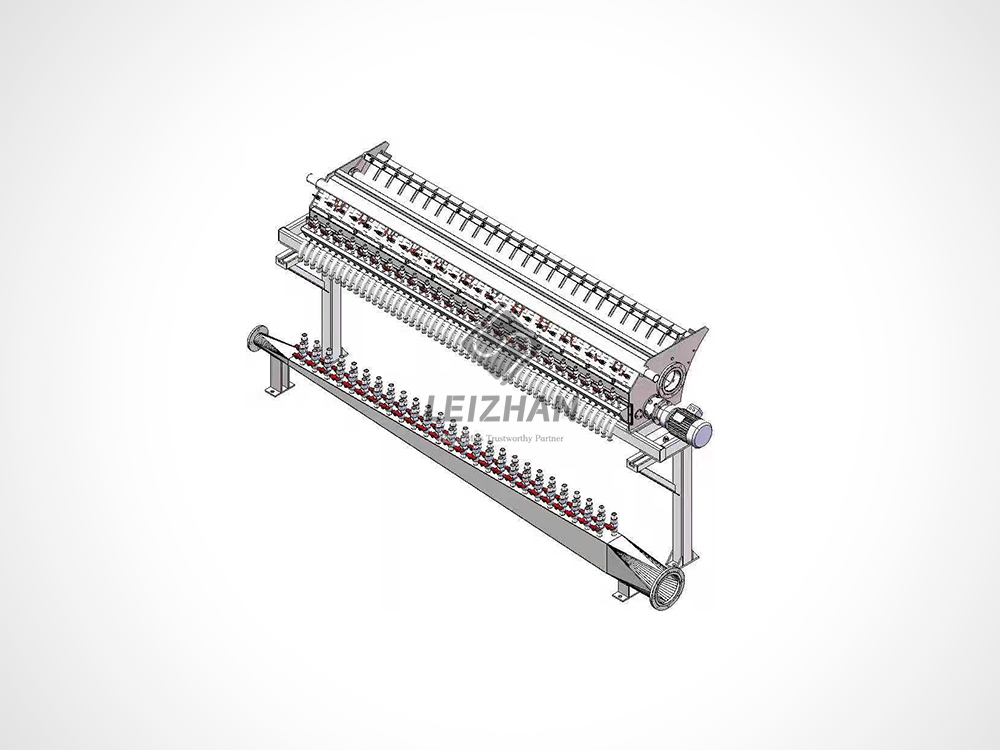
How Does This Machinery Work in Paper Manufacturing?
Converting a watery slurry into a solid, continuous sheet of paper demands a precise workflow. Understanding this continuous loop reveals the engineering reality behind daily production.
The Role of the Vat and Stock Suspension
The journey begins inside the cylinder vat. This is a precisely engineered receptacle holding the pulp slurry. In industrial papermaking, the stock pumped into this vat is incredibly dilute. It typically consists of about 99% water and a mere 1% cellulose fiber. This extreme dilution is intentional. It prevents the individual fibers from clumping together, ensuring they disperse evenly for a uniform paper profile.
Operators must meticulously monitor the flow and consistency of this suspension. If the velocity of the incoming slurry fluctuates, the resulting paper web will suffer. Furthermore, if turbulence is not properly managed by the internal baffle plates of the vat, the final product will exhibit irregular basis weights and structural weak points.
Water Drainage and Fiber Mat Formation
As the drum rotates through the vat, the core dewatering phase occurs. Driven by the hydrostatic head, water rushes through the outer mesh. This extracted water is then channeled away through the hollow center. Modern mills typically recycle this white water back into their closed-loop system.
Simultaneously, the continuous rotation constantly exposes clean mesh to the pulp. This allows a steady, uninterrupted layer of fibers to build up. The orientation of these fibers is heavily dictated by the rotational speed of the drum relative to the flow velocity of the stock. Engineers tweak this specific dynamic to alter the tensile strength of the paper.
Transferring the Web to the Couch Roll
Once the fragile fiber mat rotates out of the liquid suspension, it remains highly saturated. The next critical maneuver is extracting this wet web without tearing it. Mills accomplish this through the couching process.
A specialized rubber couch roll rests directly on top of the rotating drum. A continuous, absorbent felt belt runs between the two. As the couch roll applies precise linear downward pressure, the wet paper web naturally adheres to the felt. The belt then carries the delicate sheet away toward the press section. This leaves the screen clean as it dives back into the vat to collect more fibers.
Key Components of the Assembly
Dissecting the architecture of this machinery highlights why exceptional metallurgy and precise engineering are non-negotiable for consistent mill operations. A failure in any single component halts the entire production line.
The Filtration Layer
The outermost layer is arguably the most sensitive component of the entire assembly. The quality of the Wire Mesh directly dictates the drainage efficiency and the surface smoothness of the final product.
Typically, this filtration system utilizes a multi-layered approach. A heavy, coarse backing wire is wound tightly around the skeleton to absorb the mechanical stress of high-speed rotation. Over this, a fine top-face wire is installed to contact the pulp. Depending on the paper grade, mills utilize materials ranging from 316L stainless steel to advanced synthetic polymer fabrics. The specific mesh count is a highly customized parameter tailored to the pulp characteristics.
The Cylinder Vat
The vat surrounding the drum is not just a holding tank. It actively controls fluid dynamics. Vats are generally categorized into two distinct designs.
Uniflow vats direct the pulp to flow in the same direction as the drum rotation. This gentle alignment yields superior fiber formation and a remarkably smooth surface. It is ideal for the top printable layers of packaging boards. In contrast, contraflow vats force the stock to flow against the rotation. This intentional turbulence accelerates drainage and builds thicker fiber layers rapidly. While the surface finish may be slightly rougher, it is exceptionally effective for producing bulky inner plies.
The Skeleton Structure
Beneath the delicate mesh lies a robust internal skeleton. Comprising a central shaft welded to a series of circular spokes, this framework must endure immense physical strain. It operates continuously under the weight of saturated pulp, thousands of gallons of water, and the crushing downward force of the couch roll. Standard industrial skeletons are fabricated from premium stainless steel. Common diameter parameters range from 1000mm up to 2000mm, with face lengths extending up to 4000mm to accommodate wide paper webs.
Primary Applications: What Is a Cylinder Mould Used For?
The unique layering capabilities of this rotary technology make it an indispensable asset. It serves several distinct sectors across the global paper market with unmatched reliability.
Sanitary Papers and Toilet Tissue Production
In the realm of sanitary papers, speed and absorbency are paramount. When integrated into a modern Tissue Machine, the standard gravity-drained drum is often upgraded to a suction cylinder. These advanced variants feature internal vacuum zones that actively pull water through the mesh. This counteracts the centrifugal forces generated by extreme rotational speeds. Rapid dewatering is mandatory for producing the ultra-lightweight, soft sheets used for facial tissues and paper towels.
Multi-Ply Paperboard and Packaging
The most dominant application lies in the packaging sector. Rotary formers are uniquely engineered for creating multi-ply paperboard. In a typical board mill, you will see a massive line of six to eight vats arranged in a series.
Each unit forms a single, thin web of wet fibers. As the continuous felt belt travels over each subsequent drum, the new wet layer is pressed directly onto the previous one. Because the cellulose fibers are still saturated and pliable, the layers hydrogen-bond together naturally. No chemical adhesives are required. This specific process results in the thick, rigid boards used for cereal boxes, shoe cartons, and heavy folding boxboard.
Kraft Paper and Corrugated Fluting
For the logistics and shipping industries, material durability is the ultimate goal. Contraflow vat designs are particularly adept at processing the long, unbleached pine fibers required for kraft paper. This method yields the high tensile strength and burst resistance necessary for corrugated fluting. This fluting is the wavy inner layer that gives shipping boxes their structural integrity.
Specialty and Security Papers
Beyond bulk packaging, this machinery serves highly specialized niche markets. The rotary vat method allows for meticulous control over fiber distribution at lower operational speeds. Therefore, it is the preferred choice for manufacturing currency, passports, and high-end artistic papers. The process even allows for the seamless embedding of security threads and complex watermarks directly into the wet fiber matrix.
Cylinder Mould vs. Fourdrinier Machine: A Technical Comparison
When engineering a new production line, mill directors face a fundamental choice between two dominant web formation technologies. They must choose between the rotary cylinder and the flat Fourdrinier.
The core difference lies in their approach to gravity and pressure. The rotary method relies on hydrostatic pressure pushing water inward through a submerged curved screen. In contrast, the Fourdrinier utilizes a long, flat, horizontal wire belt where pulp is sprayed on top, and water drains downward via gravity and vacuum foils.
| Feature | Rotary Cylinder Machine | Fourdrinier Machine |
| Primary Application | Multi-ply paperboard, heavy kraft, specialty papers | Single-ply fine paper, newsprint, copy paper |
| Operational Speed | Low to medium speed | Extremely high speed |
| Multi-Ply Capability | Excellent. Easily stackable in series. | Complex. Requires secondary headboxes. |
| Footprint & Space | Compact and vertically efficient | Requires a long, horizontal factory footprint |
If a facility intends to manufacture thick boards using various grades of pulp, the compact nature of rotary vats is vastly superior. Conversely, the Fourdrinier excels at producing highly uniform, single-ply sheets at blistering speeds.
Navigating Industry Trends: The Shift Towards Sustainability
Before making heavy capital investments, forward-thinking mill managers are closely analyzing global industry trends. The most significant shift currently impacting formation technology is the aggressive move towards sustainability. There is a massive reliance on Recycled Corrugated Containers, commonly known as OCC.
Processing recycled pulp presents unique mechanical challenges. OCC is inherently more abrasive than virgin wood pulp. It often contains microscopic contaminants like sand, ash, and residual glues. To handle this, modern equipment is being engineered with vastly superior metallurgy. We are seeing a rapid transition away from traditional bronze meshes toward advanced, abrasion-resistant synthetic polymers and specialized diagonal-seam stainless steel wires.
Furthermore, volatile energy costs are forcing mills to optimize the wet end of their machines. The dryer section consumes the vast majority of a mill's thermal energy. By upgrading to advanced suction formers that increase the initial dewatering rate by just a few percentage points, mills drastically reduce the moisture load entering the dryers. This results in massive annual energy savings and a significantly reduced carbon footprint.
Maintenance and Troubleshooting on the Mill Floor
To protect multimillion-dollar investments and ensure consistent product quality, rigorous maintenance protocols are an absolute necessity. A neglected Cylinder Former will quickly lead to unexpected downtime and costly paper defects.
The most relentless maintenance task is preventing the blinding of the filtration screen. As the drum processes tons of pulp, fine fibers, sticky pitch, and chemical additives inevitably lodge in the mesh openings. If left unchecked, water cannot drain evenly. This causes weak spots or literal holes in the finished paper. To combat this, maintenance teams install oscillating high-pressure shower pipes. Spraying water at aggressive pressures continuously blasts debris away, keeping the screen open and efficient.
Mechanical reliability demands strict routine inspections. The sheer rotational weight necessitates constant monitoring of the end bearings and waterproof seals. Should a seal fail, water infiltrates the bearing housings, triggering catastrophic mechanical failure. Operators must also watch for uneven paper formation across the machine width. This symptom often signals a dented screen or irregular stock flow requiring immediate baffle plate adjustments.
Clarification: Industrial Paper Moulds vs. Concrete Cylinder Molds
Navigating industrial procurement often involves untangling semantic overlaps. It is critical to address that individuals searching for cylinder molds may actually be looking for civil engineering tools.
In the construction sector, a concrete cylinder mold is a small, static vessel used to cast concrete specimens. Usually measuring 4x8 or 6x12 inches, these inexpensive plastic containers are filled with wet concrete on job sites. Once cured, the solid concrete logs are crushed in a laboratory to test compressive strength.
The distinction is staggering. A construction mold is a ten-dollar, static plastic cup. An industrial paper mould is a dynamic, highly engineered piece of stainless steel machinery that dictates the profitability of a massive manufacturing plant. Acknowledging this difference prevents costly miscommunications during technical research.
Actionable Guide: How to Choose the Right Equipment
For technical directors and procurement officers, selecting a new Cylinder Mould Former is a high-stakes decision. It directly influences the overall return on investment of the facility.
The physical dimensions must perfectly align with the existing machine architecture. A larger diameter increases the submerged surface area. This allows for longer formation times and superior drainage, which is a critical factor when producing heavy-basis-weight boards. Standard industrial models offer diameters of 1250mm, 1500mm, 1800mm, and 2000mm. Simultaneously, the face length must accommodate the operating width, factoring in the natural shrinkage of paper during the drying phase.
Material selection is equally critical. The papermaking environment is a harsh, corrosive cocktail of water, fluctuating pH levels, and bleaching chemicals. Investing in 304 or 316L stainless steel provides superior resistance to chloride-induced pitting. This is especially true in mills utilizing closed-loop recycled water systems. Ultimately, partnering with experienced manufacturers who can customize the internal spoke design and vat fluid dynamics to your specific pulp grade is the surest path to operational excellence.
Conclusion
The rotary filtration drum remains an irreplaceable cornerstone of global paper production. From creating the delicate foundations of sanitary tissues to engineering the robust, multi-layered boards that drive the global shipping industry, the versatility of this technology is unmatched.
Ultimately, the structural integrity of your equipment and the precision of its filtration mesh directly dictate the quality of your final product. Settling for outdated or poorly maintained formation machinery is a direct drain on a mill's profitability and energy efficiency.
Take the time to rigorously evaluate your current wet-end setup today. If your mill is struggling with uneven basis weights or high energy costs, it is time to upgrade. Consult with manufacturing experts, analyze your basis weight profiles, and explore high-performance solutions at Leizhan Paper Tech to find the exact specifications suited for your production line. Optimize your daily operations and secure a competitive edge in the market.
Frequently Asked Questions
What is the difference between a cylinder mould and a cylinder former?
In industrial terminology, the cylinder mould refers specifically to the rotating drum itself. This includes the skeletal structure and its outer filtration screen. A cylinder former refers to the entire operational assembly. This broader term encompasses the rotating drum, the vat that holds the pulp, the internal baffle plates for flow distribution, and the rubber couch roll that extracts the wet paper web. The mould is the core component, while the former is the complete system.
How often should the wire mesh be replaced?
The lifespan of the filtration screen varies wildly based on operational conditions. Factors such as production speed, the chemical pH of the water, and the abrasiveness of the pulp play major roles. Generally, a high-quality stainless steel or synthetic mesh can last anywhere from three to twelve months. Operators must schedule a replacement the moment they detect irreversible blinding, physical tearing, or when the finished paper exhibits cross-directional basis weight variations.
Can this equipment be used in a high-speed tissue machine?
Yes, but it requires specialized engineering. Standard gravity-drained drums struggle at high speeds because centrifugal force throws the extracted water back into the paper web. To solve this, high-speed tissue production utilizes suction cylinder moulds. These advanced units feature internal vacuum boxes that actively pull the water through the mesh, overcoming centrifugal forces and allowing for rapid dewatering.
What materials are industrial units made of?
To survive the continuously wet and highly corrosive environment of a paper mill, these units demand premium metallurgy. While older legacy machines relied on epoxy-coated cast iron, modern industry standards dictate the use of 304 or 316L stainless steel for the entire skeletal framework. The outer mesh is typically woven from phosphor bronze, specialized stainless steel alloys, or highly durable synthetic polymer monofilaments.
Why is my machine producing paper with uneven thickness?
Uneven paper thickness is a classic symptom of poor formation dynamics. The most frequent culprit is a partially blinded or damaged filtration screen, which restricts uniform water drainage. Another leading cause is inconsistent stock flow within the vat. If the pulp slurry is not distributed evenly across the width, fibers will clump in specific zones. Degraded waterproof seals at the drum edges can also disrupt hydrostatic pressure, leading to weak edges on the paper web.
What is the typical diameter of an industrial unit?
Industrial units are sized based on production capacity and paper grade requirements. Standard diameters typically start at 1000mm for smaller specialty machines and scale up to 1250mm, 1500mm, 1800mm, or even 2000mm for high-capacity heavy board production. A larger diameter provides a greater submerged filtration area, improving drainage efficiency.
How does operational speed affect paper quality?
Operational speed dictates how fibers align on the mesh. If the drum rotates significantly faster than the stock flow, fibers align in the machine direction, increasing tensile strength but reducing tear resistance in the cross direction. Finding the optimal speed ratio ensures a balanced, uniform paper web with consistent structural integrity.


