In modern paper recycling operations, the margin between profitable fiber recovery and excessive energy waste often comes down to millimeter-level mechanical adjustments and precise fluid dynamics. Plant engineers and production managers struggle daily to balance defibering efficiency with energy consumption. Suboptimal operational parameters lead to high specific energy consumption and excessive reject rates. They also cause accelerated wear on critical machinery. Modern recycling mills face increasingly high contamination levels in raw materials. This makes precise equipment calibration more important than ever. Maximizing the return on investment of a D Type Hydraulic Pulper requires a technical understanding of its two most critical operational variables. These variables are pulp consistency and rotor-to-screen clearance. You cannot optimize one without adjusting the other. This guide breaks down how to evaluate and calibrate these parameters accurately. You will learn how to achieve optimal hydraulic shear, maximize fiber yield, and reduce operational downtime.
Key Takeaways
Consistency Dictates Shear: Operating at the precise consistency threshold (typically 14-18% for high-consistency models or 4-6% for continuous low-consistency models) maximizes fiber-to-fiber friction, reducing the mechanical burden on the pulper rotor.
Clearance Controls Defibering Quality: A tighter pulper rotor clearance increases defibering efficiency but exponentially increases energy draw and wear on the extraction plate.
Interdependent Variables: Adjusting consistency without simultaneously evaluating rotor clearance leads to equipment bottlenecking, motor overload, or unpulped paper flakes entering the downstream process.
Automation is the New Standard: Modern stock preparation equipment relies on Distributed Control Systems (DCS) to continuously monitor motor load and adjust consistency automatically, preventing manual calibration errors.
Predictive Maintenance is Mandatory: Sustained performance requires continuous monitoring of the rotor gap and consistency transmitters to mitigate the rapid wear inherent in processing abrasive recycled paper.
Evaluating D Type Hydraulic Pulper Flow Dynamics in Stock Preparation
The primary goal of any recycled paper pulping machine is separating individual fibers from baled waste paper. You must achieve this separation with minimal fiber damage and minimal electrical energy input. Success relies on evaluating three specific performance metrics on the mill floor. We measure the defibering index, specific energy consumption, and fiber length preservation. High defibering efficiency means fewer unpulped flakes proceed to downstream screening. Lower specific energy consumption directly improves plant profitability by reducing the kilowatt-hours required per ton of processed pulp.
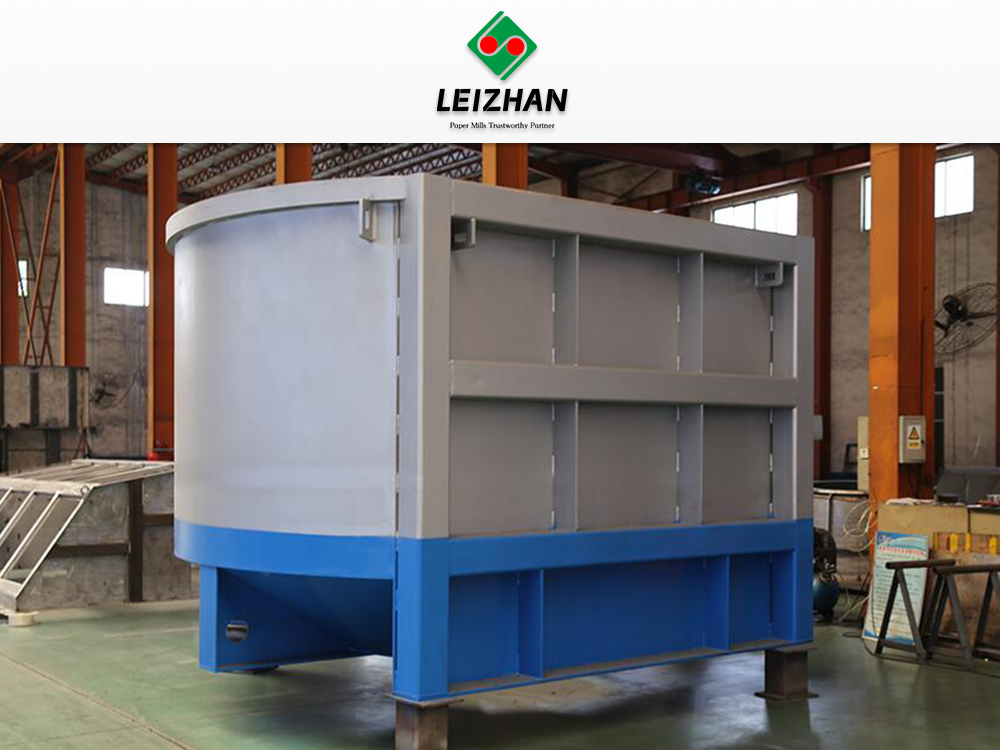
Traditional circular vats often struggle with severe flow stagnation during operation. They create a swirling teacup effect where bales spin endlessly without breaking down. The asymmetrical "D" shape solves this fundamental fluid dynamics problem entirely. The flat side physically disrupts the circular flow pattern of the slurry. This disruption creates a hydraulic brake against the spinning mass. It forces paper bales directly into the center vortex much faster. It eliminates dead zones completely. Batch times drop significantly as a direct result of this specific geometry.
Understanding baseline equipment capabilities is absolutely necessary for optimization. You must define standard operating parameters clearly before making any mechanical adjustments. This includes verifying volumetric capacity and ensuring proper motor sizing for your specific furnish. A standard waste paper pulper setup requires specific throughput expectations to maintain continuous production. Reject handling integration also matters heavily for continuous operation. Raggers and junk towers must match the pulper capacity perfectly.
If the ragger pulls too slowly, heavy contaminants accumulate in the vat. This accumulation destroys defibering efficiency rapidly and damages the rotor. Operators must monitor the ragger rope tension and extraction speed constantly. When heavy junk builds up, the available volume for paper processing shrinks. This forces the motor to work harder to maintain the vortex. You lose production capacity and waste energy simultaneously.
Verify the maximum volumetric capacity of the vat under normal load.
Confirm the main drive motor amperage limits and baseline operating draw.
Establish the baseline defibering index using laboratory analysis of accepted stock.
Measure the average batch time from bale drop to complete extraction.
Calculate the baseline specific energy consumption in kilowatt-hours per ton.
How Pulp Consistency Dictates Defibering Efficiency and Energy Draw
Pulp consistency dictates exactly how a pulper consumes electrical energy. It directly controls the physical mechanism of defibering efficiency. We categorize operational solutions into two main consistency ranges based on the equipment design. Continuous pulping typically uses low consistency parameters. This ranges from 3% to 6% solid content. It relies heavily on direct mechanical action. The rotor strikes the material physically to tear it apart. Rapid extraction through the screen plate follows immediately.
Batch pulping utilizes medium to high consistency parameters instead. This ranges from 10% to 18% solid content. It relies on intense fiber-to-fiber friction rather than metal impacts. High consistency creates a kneading action similar to thick dough. This kneading rubs ink and coatings off fibers gently. It separates the fibers without cutting them mechanically. Chemical action also plays a major role in this environment. The high concentration of fibers allows chemicals to work more effectively.
Higher consistency increases the apparent viscosity of the paper slurry. This amplifies internal hydraulic shear forces dramatically. Hydraulic shear provides much gentler defibering than mechanical shear. It preserves fiber length and structural integrity much better. Elevated temperatures interact powerfully with these high-consistency slurries. Pulping chemicals like sodium hydroxide accelerate the breakdown process. They dissolve wet-strength resins and stubborn inks rapidly at high consistencies.
Energy consumption presents strict operational trade-offs for plant engineers. Pushing consistency too high overloads the drive motor quickly. The central vortex will stall completely under excessive load. Running consistency too low wastes massive amounts of electrical energy. You end up moving excess water instead of breaking down paper. Overall value depends on several competing influencing factors. Consider the high cost of heating dilution water. Add the expense of consuming chemicals at lower consistencies. Compare this against the electrical cost of driving a high-viscosity slurry.
Operators must monitor the dilution water valves constantly to maintain target consistency. A sudden drop in water pressure can spike the consistency unexpectedly. This causes immediate motor overload and potential drive belt slippage. Conversely, a leaking dilution valve slowly lowers the consistency over time. This reduces the hydraulic shear and increases the batch time required to reach the target defibering index. Maintaining strict control over the water-to-fiber ratio is non-negotiable for efficient operation.
The type of raw material also dictates the optimal consistency target. Heavily sized papers require higher consistencies to generate enough friction for breakdown. Lightly sized materials like newsprint pulp easily at lower consistencies. You must adjust your targets based on the specific bales entering the system. Failing to adjust for furnish changes leads to erratic energy consumption and inconsistent pulp quality.
| Operational Parameter | Low Consistency (3-6%) | High Consistency (10-18%) |
| Primary Shear Mechanism | Mechanical rotor impact | Fiber-to-fiber hydraulic friction |
| Energy Consumption | Higher per ton (moving excess water) | Lower per ton (efficient defibering) |
| Chemical Synergy | Diluted, less effective chemical action | Highly concentrated, rapid chemical breakdown |
| Contaminant Degradation | High risk of shattering brittle plastics | Gentle separation, preserves contaminant size |
| Fiber Length Preservation | Moderate to high cutting risk | Excellent preservation of long fibers |
| Batch Time | Continuous operation (rapid) | Longer batch cycles required |
| Motor Load Profile | Steady, lower peak amperage | High peak amperage during initial breakdown |
Calibrating Pulper Rotor Clearance for Optimal Yield and Screen Life
The mechanical gap defines overall pulper efficiency and throughput. This is the critical distance between the bottom rotor blades and the extraction screen plate. We typically start this gap measurement around 1.5mm to 3mm. The exact starting measurement depends heavily on the specific furnish type. You must measure this gap using specialized feeler gauges or lead wire. Measurements must occur at multiple points around the rotor circumference. This ensures the pulper rotor sits perfectly parallel to the screen plate.
A tight clearance maximizes cutting and pumping action significantly. This high shear environment is ideal for processing wet-strength papers. However, it results in substantially higher power consumption. It also causes faster degradation of the rotor leading edges. A wide clearance reduces energy draw and mechanical wear. This low shear setup allows larger paper flakes to pass through. Some flakes remain trapped circulating in the vat endlessly. This lowers overall defibering efficiency dramatically. It significantly increases the mechanical burden on downstream deflakers.
Clearance directly impacts heavy contaminant removal efficiency. It affects the sweeping velocity across the extraction screen plate. Proper sweeping velocity pushes heavy contaminants into the junk trap. Poor velocity grinds these contaminants into much smaller particles. These smaller particles become much harder to screen out later. They pass through the extraction holes and contaminate the accepted stock. The geometry of the extraction plate holes also matters here. Countersunk holes prevent plugging but require precise sweeping velocities to function.
Implementation realities dictate constant mechanical vigilance from maintenance teams. The clearance widens naturally over time during normal operation. Waste paper contains highly abrasive hidden contaminants. Sand, glass, and metal staples wear down the metal continuously. You cannot set the clearance once and forget about it. Regular calibration is mandatory for sustained operational success.
When adjusting the clearance, maintenance personnel must follow strict lockout-tagout procedures. The massive rotational inertia of the drive system poses severe safety risks. Once secured, technicians loosen the bearing housing adjustment bolts. They use jacking screws to raise or lower the entire rotating assembly. Dial indicators verify the exact vertical movement. After locking the assembly in place, they rotate the shaft by hand. This ensures no high spots rub against the screen plate. A single point of contact will destroy the plate within minutes of startup.
You must document every clearance adjustment in the maintenance log. Track the gap measurement against the operating hours. This data helps predict when the rotor or plate will require replacement. It shifts your maintenance strategy from reactive to predictive. You can order replacement parts well before catastrophic failure occurs. This minimizes unplanned downtime and keeps production running smoothly.
The Interdependence of Consistency and Clearance in Waste Paper Pulpers
Consistency and clearance do not operate in mechanical isolation. You must tune these two variables together systematically. Failing to do so guarantees eventual system failure. Consider a scenario with high consistency and extremely tight clearance. This creates a massive risk of motor tripping. Jamming occurs frequently as the slurry thickens. The mechanical stress reaches destructive levels very quickly. The extraction plate can warp under the extreme hydraulic pressure.
Now consider running low consistency with an excessively wide clearance. This creates a high risk of poor defibering quality. Flake content in the accepted stock skyrockets immediately. You waste valuable volumetric capacity moving poorly treated water. Downstream pressure screens will blind over rapidly. They cannot handle the high volume of unpulped flakes. The entire stock preparation line bottlenecks at the primary screening stage.
Different raw materials require furnish-specific operational baselines. Old Corrugated Containers demand a very delicate balance. You must prioritize heavy contaminant removal above all else. You cannot over-refine the valuable long fibers found in OCC. Mixed Office Waste presents entirely different processing challenges. It often requires tighter clearances to break down hard sizing. Specific consistencies help handle synthetic inks and toners effectively.
Establishing a rigid optimization framework is absolutely necessary. You must find the exact sweet spot for your raw material. Use motor load amperage to guide your initial adjustments. Conduct visual and laboratory analysis of the accepted stock constantly. Fine-tune the balance based on this hard empirical data. If flake content rises, check the clearance first. If amperage spikes erratically, verify the consistency transmitters.
When processing heavily contaminated furnish, you might need to compromise on defibering efficiency to protect the equipment. Opening the clearance slightly reduces wear from sand and glass. You compensate for this by increasing the batch time or adjusting the consistency. This trade-off preserves the mechanical integrity of the pulper. It prevents catastrophic failures that halt production for days. You must evaluate these trade-offs constantly based on the incoming bale quality.
Analyze the incoming furnish for contamination levels and wet-strength content.
Set the initial rotor clearance based on the manufacturer specifications for that specific furnish.
Establish the target consistency using automated dilution water controls.
Monitor the main drive motor amperage during the first several batches.
Pull stock samples from the extraction line to check for unpulped flakes.
Adjust the consistency first if the motor load is too high.
Adjust the rotor clearance only if the defibering index remains unacceptable after consistency tuning.
Automation and Real-Time Monitoring in Stock Preparation
Modern paper mills rely heavily on Distributed Control Systems. DCS integration transforms stock preparation equipment operation from guesswork into science. These systems link consistency transmitters directly with automated dilution water valves. Programmable Logic Controllers process this data in milliseconds. They adjust water flow to maintain the exact target consistency. This eliminates the massive swings caused by manual operator adjustments.
Motor load feedback loops prevent catastrophic equipment stalls. Variable frequency drives monitor motor amperage constantly during operation. They automatically adjust feed conveyor rates when needed. They add emergency dilution water when the rotor encounters heavy loads. This dynamic response saves massive amounts of electrical energy. It prevents the motor from pulling locked-rotor amps during a jam.
Data evaluation drives continuous mechanical improvement across the plant. You must log historical operational data meticulously. Track specific energy consumption against batch times daily. This helps identify the exact moment rotor wear negatively impacts profitability. When energy consumption per ton rises 10%, maintenance is required. You can schedule plate replacements before catastrophic failures occur.
Advanced monitoring systems also track vibration signatures on the main bearing housing. Changes in vibration frequency indicate uneven wear on the rotor blades. They can also signal a failing mechanical seal. Catching these issues early prevents massive stock leaks and bearing seizures. Integrating vibration data with motor load and consistency readings provides a complete picture of machine health. Operators can make informed decisions about when to push the equipment and when to schedule downtime.
Calibration of these automated systems requires strict discipline. A DCS is only as good as the data it receives. If a consistency transmitter drifts out of calibration, the entire control loop fails. The system will add too much or too little water based on false readings. Maintenance teams must verify transmitter accuracy against physical lab samples weekly. They must adjust the DCS offsets to match the real-world conditions in the vat.
Implementation Risks and Maintenance Realities
Implementation carries unavoidable mechanical and operational risks. Processing highly contaminated recycled paper accelerates wear exponentially. The rotor and screen plate degrade rapidly under these conditions. This alters the mechanical clearance unpredictably during production runs. Uneven wear across the rotor blades causes severe vibration. This vibration destroys main bearings and mechanical seals prematurely.
Sensor drift presents another major operational hazard. Inaccurate consistency transmitters cause absolute chaos in automated systems. Automated water valves will either flood or starve the hydraulic pulper. Flooding destroys hydraulic shear and wastes heating energy. Starving the pulper causes immediate motor overload and jamming. You must trust your sensors, but verify their accuracy constantly.
Mitigation strategies protect your massive capital investment. Establish a strict schedule for manual gap measurement. Perform these physical adjustments during every planned maintenance shutdown. Specify highly wear-resistant alloys during the initial procurement phase. Tungsten carbide coating extends component life significantly. Include a rigorous cost-benefit analysis of premium metallurgy. Compare the upfront cost against the massive reduction in downtime.
Implement routine calibration protocols for all consistency control loops. Automated systems must act on perfectly accurate data. Regular calibration ensures this accuracy remains intact over time. Pull physical grab samples from the vat daily. Test these samples in the lab to verify transmitter readings. Adjust the DCS offsets based on these physical lab results.
Inspect the extraction screen plate for blinding and hole wear during every shutdown. Contaminants often peen the edges of the holes over time. This reduces the open area and restricts flow. Technicians must clear blinded holes manually and check for structural cracks. If the plate shows signs of warping, replace it immediately. A warped plate makes it impossible to maintain a uniform rotor clearance. This leads to localized rubbing and rapid catastrophic failure.
Lubrication of the main drive assembly requires strict adherence to manufacturer schedules. The massive thrust loads generated during pulping put immense strain on the bearings. Use only the specified high-temperature, water-resistant grease. Over-greasing can blow out seals, while under-greasing leads to rapid bearing destruction. Implement an ultrasonic greasing program to ensure precise lubrication volumes based on actual bearing friction.
Conclusion
Conduct an immediate audit of current specific energy consumption and defibering efficiency metrics.
Schedule a dedicated maintenance window to measure existing rotor clearance accurately with feeler gauges.
Calibrate all consistency transmitters against physical laboratory samples to eliminate sensor drift.
Analyze downstream pressure screen reject rates to identify upstream pulping inefficiencies.
Upgrade standard stainless steel rotor blades to tungsten carbide coated alternatives during the next replacement cycle.
FAQ
Q: What is the ideal pulp consistency for a D Type Hydraulic Pulper?
A: Ideal consistency depends entirely on your specific operational setup. Continuous low-consistency operations typically target 4% to 6%. This relies on mechanical shear. Batch high-consistency operations target 14% to 18%. This maximizes fiber-to-fiber hydraulic friction. Always match the consistency to your specific furnish type and chemical dosing strategy.
Q: How often should pulper rotor clearance be adjusted?
A: Adjustment frequency depends heavily on furnish abrasiveness. Highly contaminated waste paper requires more frequent checks. Generally, you should take physical gap measurements during every major maintenance shutdown. You must also check the clearance immediately if motor load drops unexpectedly or if downstream flake content increases.
Q: What happens if the rotor clearance is too wide?
A: A wide clearance drastically reduces defibering efficiency. You will see a massive increase in unpulped paper flakes. It reduces the sweeping velocity needed to push heavy contaminants into the junk trap. This forces downstream screening and deflaking equipment to work harder, increasing overall plant energy consumption.
Q: How does a D Type pulper differ from a circular hydraulic pulper?
A: The asymmetrical D-shaped vat physically disrupts the circular flow of the slurry. Circular vats often create a swirling teacup effect with dead zones. The flat side of the D-vat acts as a baffle. It forces paper bales directly down into the rotor, ensuring faster, more efficient pulping.
Q: Can adjusting consistency reduce energy consumption in a recycled paper pulping machine?
A: Yes, optimizing consistency reduces specific energy consumption. Running at the correct high consistency maximizes fiber-to-fiber friction. This allows the operation to achieve target defibering with less mechanical energy input per ton. Running too low wastes energy moving excess water instead of processing fiber.
Q: How does temperature affect pulper consistency and performance?
A: Higher temperatures lower the physical viscosity of the water. This alters the hydraulic shear dynamics within the vat. Elevated temperatures also accelerate the chemical breakdown of wet-strength papers and inks. This synergy is especially effective when operating at high consistencies with sodium hydroxide additions.


