Equipment breakdowns cost warehouses thousands of dollars daily in lost productivity, shipping delays, and emergency repair fees. An industrial pallet wrapping machine solves this end-of-line bottleneck by securing heavy loads for safe transit. Many wrappers look identical on the showroom floor. Their internal engineering, however, determines whether they survive a mere two years or power through two decades of continuous use. In this technical guide, you will discover the exact structural components, critical usage metrics, and daily maintenance habits that guarantee a long and profitable lifespan for your packaging equipment.
Key Takeaways
- Structural Integrity: A heavy-duty steel frame is non-negotiable for absorbing warehouse vibrations and preventing long-term structural fatigue.
- Operational Limits: Understanding and adhering to your machine's engineered capacity prevents motor burnout and premature mechanical wear.
- Component Grade: High-quality bearings and robust drive systems act as the hidden heroes that drastically extend equipment lifespan.
- Proactive Care: Routine maintenance and proper operation are just as important as build quality in maximizing overall machine longevity.
- ROI Over Initial Cost: Investing in reliable machinery yields a significantly higher Return on Investment by minimizing downtime over a multi-year horizon.
The Foundation of Longevity: Why a Heavy-Duty Steel Frame Matters
The physical skeleton of packaging equipment acts as its primary defense against the harsh, high-impact environment of a modern warehouse. When evaluating the longevity of a machine, the base material and construction methods are the most critical starting points.
Structural Integrity Under Heavy Loads
When wrapping pallets weighing upwards of 2,000 to 4,000 pounds, the machine experiences immense physical stress. A solid Steel Frame provides the necessary rigidity to prevent the base from flexing or warping under extreme off-center loads. Forklift operators rushing during a third shift inevitably bump the turntable base. Heavy-gauge steel construction brushes off this impact. It maintains geometric tolerances over decades of use. Conversely, cheaper alternatives like thin-wall aluminum or lower-grade metal alloys experience micro-fractures over time. Once a machine frame warps, the alignment of moving parts becomes permanently compromised. This misalignment accelerates wear on the turntable, mast, and carriage systems.
Vibration Reduction and Wear Prevention
In the physics of warehouse machinery, vibration is the primary enemy of moving parts. Continuous operation generates intense kinetic energy. The machine structure must absorb this energy rather than passing it to delicate internals. A massive steel chassis possesses the sheer weight required to dampen operational vibrations. This dampening effect protects sensitive electronic components, such as Programmable Logic Controllers and optical sensors, from shaking loose. Furthermore, reduced vibration means mechanical gears, drive chains, and fasteners remain securely in place. This stability significantly lowers the probability of catastrophic mechanical failure during peak operational hours.
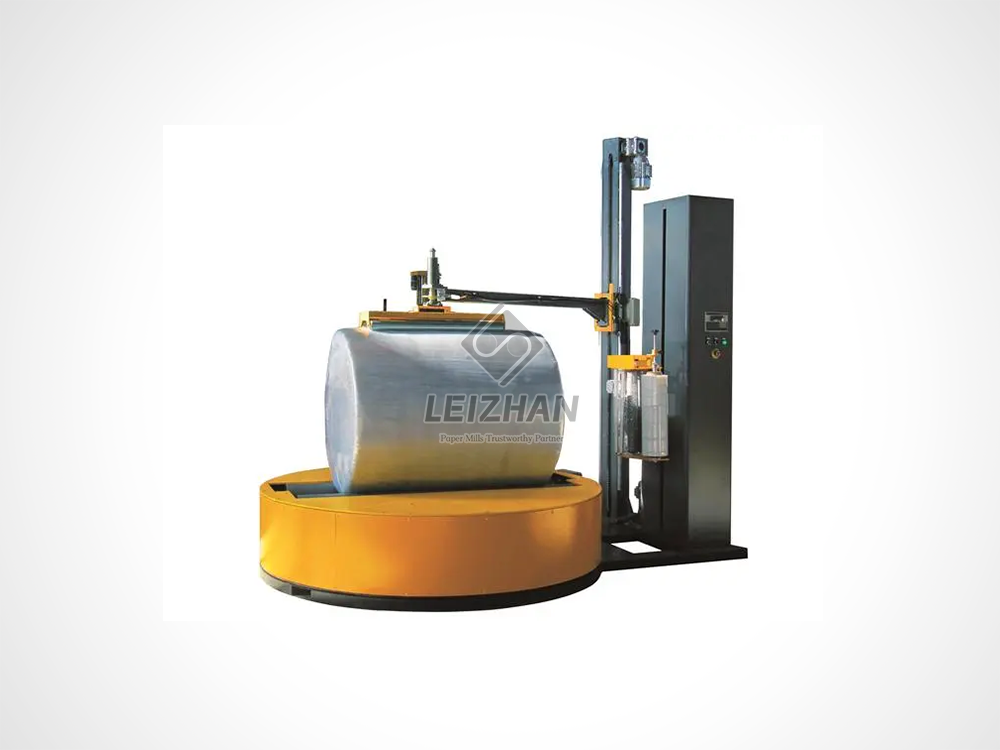
Understanding Duty Cycle and Its Impact on Service Life
The lifespan of packaging machinery is measured in operational cycles rather than calendar years. A machine's Duty Cycle refers to the absolute maximum number of pallets it can wrap per hour without motors overheating or belts degrading.
Matching Machine Capacity to Your Production Volume
Accurate throughput calculation is non-negotiable. Facility managers must evaluate both current pallet volume and projected growth over a five-year period to select a machine with an appropriate capacity. Low-volume semi-automatic wrappers typically handle 15 to 30 pallets per hour. Their motors and drive systems inherently require cooling periods between cycles. On the other end of the spectrum, continuous-duty fully automatic wrappers feature heavy-duty motors and active cooling systems designed to run continuously without interruption. Purchasing a machine that aligns strictly with your specific throughput requirements is the most effective way to prevent premature equipment failure.
What Happens When You Exceed the Recommended Capacity?
Overworking a machine beyond engineered limits triggers severe, compounding consequences. Continuous operation without adequate cooling periods leads to thermal overload in the motors. This heat causes internal insulation breakdown and eventual electrical burnout. Beyond the motors, exceeding operational limits places excessive strain on drive belts and lifting chains, causing them to stretch, slip, or snap unexpectedly.
Consider a real-world warehouse scenario. A facility wrapping 300 pallets a day purchases a light-duty machine rated for only 100 pallets to save on upfront capital. Within 18 months, the turntable motor fails completely, and the carriage belts require a full replacement. The cost of emergency repairs, expedited shipping for parts, and operational downtime quickly eclipses the initial savings. Adhering to capacity limits remains essential for long-term profitability.
Industry Trends in Packaging Equipment Longevity
Looking at current warehouse automation trends, facility managers are shifting away from reactive repairs toward predictive longevity. Market data shows a massive spike in demand for wrappers equipped with autonomous health monitoring and heavy-duty internals. Labor shortages mean operators have less time to baby fragile equipment. Therefore, buyers now prioritize self-lubricating components and structural durability over flashy exterior designs. This shift reflects a broader industry consensus: true operational stability comes from robust internal engineering rather than cosmetic upgrades.
The Hidden Heroes: Bearing Quality and Moving Parts
While the exterior frame provides necessary structure, internal mechanics dictate the day-to-day reliability of the system. A pallet wrapper is only as durable as its most vulnerable moving part. This reality makes the internal drive components a critical area of evaluation for prospective buyers.
Why Premium Bearings Extend Your Machine's Lifespan
Bearings play an indispensable role in both the turntable base and the vertical film carriage mast. They facilitate ultra-smooth rotational and vertical movements while supporting immense shifting weights. Superior Bearing Quality directly correlates to equipment longevity. High-grade industrial slewing bearings feature tighter tolerances and hardened steel. This construction significantly reduces internal friction. They handle heavy axial loads from the downward force of the pallet and radial loads from the rotational force without deforming. Machines equipped with premium bearings require less frequent lubrication and replacement, drastically reducing maintenance-related downtime.
Rollers, Chains, and Drive Systems
The drive system functions as the muscular system of the machine. Buyers must meticulously evaluate the mechanism used to rotate the turntable and lift the film carriage.
- Chain-Driven Systems: Generally considered the most robust option for heavy industrial use. They offer exceptional tensile strength and do not slip under heavy loads, though they require scheduled lubrication.
- Belt-Driven Systems: Offer quieter operation and require less lubrication. However, they are highly susceptible to stretching over time if subjected to loads exceeding their rated capacity.
- Gear-Driven Systems: Provide precise rotational control and high durability. These are most often found in premium, fully automated packaging systems.
Pre-Stretch vs. Post-Stretch Film Carriages: Wear and Tear Comparison
The film delivery carriage is the most active and frequently moving part of the machine. The specific technology utilized here impacts your annual film consumption and the mechanical wear inflicted on the equipment itself.
| Feature | Powered Pre-Stretch | Friction Post-Stretch | Impact on Machine Lifespan |
| Mechanical Complexity | High due to dual motors and threading rollers | Low due to simple mechanical brake | Pre-stretch uses industrial-grade parts designed for continuous motion, offsetting wear concerns. |
| Pulling Tension on Load | Minimal resistance against turntable | High resistance against turntable | Low tension in pre-stretch drastically reduces turntable drive motor strain, extending motor life. |
| Film Efficiency | Up to 250% or 300% stretch rate | Maximum 150% stretch rate | Fewer roll changes mean less manual handling and reduced physical wear on the carriage door. |
Balancing Film Efficiency with Machine Durability
While pre-stretch configurations introduce more mechanical complexity, their industrial-grade construction offsets wear concerns. Powered pre-stretch technology drastically reduces the pulling tension exerted on the pallet load. By lowering the resistance against the turntable, the primary drive motor experiences far less strain during rotation. This reduction in continuous mechanical strain helps preserve the turntable drive system. It perfectly balances the complexity of the carriage with the overall durability of the machine.
Control Systems and Automation: The Brains Behind a Long-Lasting Machine
Modern equipment reliability extends far beyond metal and gears. It encompasses the software and electronic architecture that governs operation and protects the machine from inevitable human error.
Reliable Controllers and Soft Start Technology
The integration of industrial-grade logic controllers is a hallmark of durable machinery. Standard industrial controllers are robust, widely supported, and designed to withstand electrical noise, dust, and temperature fluctuations. More importantly, advanced inverters controlling the turntable motor allow for a soft start and soft stop. This programmable acceleration eliminates the violent mechanical jerking that snaps drive chains and shears gear teeth during startup.
Additionally, intuitive touchscreen interfaces play a vital role in mechanical longevity. Picture an operator wearing thick work gloves trying to navigate a tiny interface with confusing buttons. Mistakes are inevitable. Confusing controls often lead to operator errors, such as inputting incorrect tension settings or forcing mechanical movements. Clear, user-friendly interfaces mitigate these risks entirely.
Routine Maintenance: The Secret to Maximizing Service Life
Even the most robustly engineered packaging equipment requires consistent upkeep to function at peak efficiency. While premium components provide a strong foundation, routine maintenance is the definitive factor determining whether an equipment asset reaches its maximum potential. Maintenance is a strategic process designed to mitigate mechanical degradation, reduce friction, and prevent failures before they occur.
Daily, Weekly, and Monthly Cleaning Checklists
A clean machine is an efficient machine. Ambient dust, forklift tire particles, and micro-plastics from stretch film constantly settle on equipment surfaces. Over time, this debris acts as an abrasive compound that accelerates wear on moving parts.
- Daily: Operators must clear stray debris, broken wood from pallets, or torn film from the turntable track. Debris under the turntable causes uneven rotation, placing immense strain on the drive motor. Photo-eye sensors should also be wiped down to ensure accurate load height detection.
- Weekly: Maintenance personnel should inspect the film carriage rollers for sticky tackifier residue left behind by the stretch film. Cleaning these rollers with an approved industrial solvent prevents motor fatigue and ensures consistent film tension.
- Monthly: Technicians must check the tension of all drive chains and lifting belts. A loose chain causes jerky turntable movements, while an overtightened belt prematurely degrades bearing assemblies.
Lubrication and Component Inspections
Friction drives component failure. Proper lubrication protocols are vital for minimizing metal-on-metal contact, dissipating heat, and protecting vulnerable parts from environmental moisture. Technicians must apply industrial-grade lithium grease to the turntable bearings and mast gears following manufacturer volume recommendations. Over-lubrication attracts excess dust, creating a thick sludge that hinders movement.
During lubrication, operators should actively listen for abnormal grinding or squeaking noises. These sounds typically indicate a bearing is beginning to pit or fail. Monitoring motor temperatures using infrared thermometers helps verify that the equipment operates within safe limits. Catching these thermal warnings early prevents expensive motor burnouts and preserves the overall Service Life of the equipment.
How to Choose a Pallet Wrapping Machine with the Best ROI
Synthesizing mechanical specifications and maintenance requirements is essential for making a financially sound purchasing decision. Facility managers must look beyond the initial sticker price. True cost is measured through the Total Cost of Ownership, factoring in preventative maintenance, replacement parts, and operational downtime.
Actionable Selection Criteria Based on Industrial Parameters
To guarantee longevity, base your procurement on strict engineering parameters rather than generic marketing claims. When evaluating equipment, match your needs against these proven industrial benchmarks:
- Load Capacity: Standard industrial applications demand a robust turntable capable of supporting at least 2,000kg. Anything less risks structural fatigue under heavy loads.
- Turntable Diameter: Opt for a 1500mm or 1650mm turntable base. This ensures standard pallets fit perfectly without dangerous overhang that strains the rotation motor.
- Wrap Height: Ensure the mast accommodates a maximum wrapping height of at least 2400mm to future-proof your shipping requirements.
- Film Delivery System: Select a powered pre-stretch carriage capable of a 250% to 300% stretch rate. This specification drastically reduces film waste and lowers the mechanical drag on the turntable.
Budget-tier machines often utilize thinner sheet metal and lower-grade commercial components to reduce upfront costs. If a budget machine breaks down for just 20 hours a year, resulting shipping delays and labor bottlenecks cost thousands of dollars in lost productivity. A premium machine built to the parameters above yields a significantly higher Return on Investment by delivering consistent, uninterrupted performance.
Conclusion
Stop losing money on fragile equipment that cannot handle your daily volume. True reliability requires investing in machinery built with heavy-gauge steel, premium bearings, and smart control systems. By evaluating your daily throughput, demanding industrial-grade components, and adhering to strict care protocols, you drastically extend the lifespan of your investment. Visit Leizhan Paper Tech today to explore a robust lineup of stretch wrappers tailored to your specific warehouse demands, and secure your end-of-line packaging for decades to come.
FAQ
How long is the average Service Life of an industrial pallet wrapping machine?
With a solid steel frame and strict adherence to preventative maintenance schedules, high-quality industrial machines reliably operate for 10 to 15 years, and sometimes longer. Conversely, cheaper models constructed from inferior materials may only last 3 to 5 years under similar warehouse conditions before experiencing irreparable structural warping or cascading mechanical failures.
What is the standard maintenance schedule for a turntable bearing?
Facility operators should conduct a visual and auditory inspection at least once a month. This involves listening closely for any grinding or clicking noises during the turntable's rotation, which indicate friction or pitting. A professional mechanical inspection, including regreasing with industrial lithium grease and tolerance testing, should be performed every 6 to 12 months depending on your daily operational volume.
How does the pre-stretch rate affect the turntable motor lifespan?
A higher powered pre-stretch rate significantly extends the turntable motor's lifespan. By using internal carriage motors to stretch the film up to 250% before it touches the pallet, the machine eliminates the heavy pulling resistance against the load. This means the turntable motor expends much less torque to rotate the pallet, running cooler and lasting years longer than motors fighting against friction-brake systems.
Can I upgrade my machine to improve its Duty Cycle?
Generally, no. While certain peripheral components like advanced film carriages or upgraded photo-eye sensors can sometimes be retrofitted, the core capacity is permanently dictated by the primary drive motors, the gearbox capacity, and the fundamental structural build. Attempting to force a low-volume machine to handle high-volume throughput leads to rapid overheating. It is always best to purchase the correct capacity from the start.
Does a Steel Frame really make a difference compared to aluminum or lighter metals?
Absolutely. An industrial warehouse is a high-impact environment. Heavy-gauge steel provides the necessary mass and structural rigidity to withstand inevitable forklift bumps, support unbalanced heavy pallet loads, and resist the constant rotational torque generated by the turntable. Lighter metals like aluminum flex and micro-fracture over time, leading to misalignment of the drive chains and premature motor burnout.
What is the most common reason an industrial pallet wrapping machine breaks down prematurely?
The most frequent causes of premature failure are neglecting routine maintenance and consistently exceeding the equipment's recommended operational capacity. Failing to clean sticky film dust, ignoring lubrication schedules, or pushing a machine designed for 20 pallets a day to wrap 100 pallets a day rapidly destroys bearings, stretches drive belts, and burns out electrical motors long before their engineered lifespan ends.


