Modern industrial facilities face a rapidly escalating logistical nightmare when it comes to waste management. Rising municipal disposal costs, cluttered workspaces, and strict environmental regulations are forcing plant managers to rethink their operational strategies. Picture a high-volume distribution center where forklift operators constantly dodge sprawling mountains of discarded corrugated boxes. Or consider a retail backroom completely choked with loose packaging materials. This unmanaged debris is more than just an operational headache. It creates severe workplace hazards, including massive fire risks and trip-and-fall liabilities on slick concrete floors.
The most reliable, field-tested solution to this bottleneck is installing a waste paper baler. As a cornerstone of efficient material handling, this heavy-duty equipment transforms loose, voluminous trash into dense, stackable blocks. Upgrading your facility with this machinery does not just clean up your floor plan. It fundamentally flips the financial equation, turning a traditional waste disposal expense into a measurable revenue stream. Below, we will break down the mechanics, core benefits, maintenance protocols, and strict engineering criteria to help you select the exact compaction system your facility needs.
Key Takeaways
Cost Savings & Revenue: Compaction slashes waste hauling frequencies and turns high-density bales into a commodity you can sell directly to recycling mills.
Space Optimization: Crushing loose cardboard immediately reclaims premium warehouse square footage for active production.
Strategic Selection: Matching your daily waste volume to the correct vertical or horizontal architecture is the secret to maximizing your payback period.
Sustainability Metrics: Diverting recyclables from local landfills provides hard data for corporate environmental reporting.
Preventative Maintenance: Modern presses require simple but consistent hydraulic and mechanical checks to ensure decades of reliable service.
The Mechanics Behind Compaction Equipment
To make an informed procurement decision, you need to look under the hood. Think of this equipment as the undisputed workhorse of material recovery. Its primary job is to squeeze the empty air out of loose paper, old corrugated containers, and packaging debris. By applying massive hydraulic pressure, the machine binds these materials into dense, structurally sound blocks.
The operational sequence of a paper baler machine is highly systematic, engineered for absolute operator safety and maximum throughput. First, material enters the primary receiving chamber via manual loading or an automated conveyor belt. Once the hopper sensors detect a full load, the safety gates lock, and the programmable logic controller initiates the compaction cycle.
A heavy-duty hydraulic cylinder then drives a steel ram forward. This ram applies tens of tons of pressing force, crushing the material against reinforced steel walls. The directional valves reset, the ram retracts, and the process repeats until a full-sized bale takes shape. Finally, operators or automated knotters bind the block with high-tensile steel wire, and an ejection cylinder pushes the finished bale onto a waiting pallet.
Market Trends Driving Adoption
From an industry perspective, the waste management sector is undergoing a massive structural shift toward localized material recovery. Market data indicates a sharp surge in automated compaction systems across logistics hubs and manufacturing plants. Driven by skyrocketing landfill tipping fees and aggressive zero-waste-to-landfill mandates, businesses can no longer afford to pay haulers to transport empty air. Today, sorted and compacted cardboard is a heavily traded commodity within the circular economy, making on-site baling an operational necessity rather than a luxury.
Top Reasons to Invest in Dedicated Recycling Machinery
Transitioning to an in-house compaction strategy offers immediate financial and operational advantages. For procurement teams and facility engineers, the numbers speak for themselves.
Drastic Reductions in Disposal Overhead
Commercial waste haulers base their invoices on volume and pickup frequency. Loose cardboard is incredibly inefficient to transport. By leveraging hydraulic compaction, facilities can shrink their waste footprint by up to 90 percent. This massive reduction means fewer dumpsters and fewer scheduled pickups. Consequently, monthly hauling invoices drop off a cliff, and the facility significantly lowers the carbon emissions associated with heavy garbage truck traffic.
Reclaiming Floor Space and Upgrading Safety
Square footage in any commercial plant is a premium asset. Letting loose boxes accumulate eats up space designated for inventory or assembly lines. Furthermore, scattered debris is a major safety violation. Slick paper dust on concrete causes falls, and dry cardboard acts as primary fuel for industrial fires. Centralizing your waste into a single compaction zone keeps aisles clear, satisfies strict occupational safety inspectors, and reclaims your floor plan.
Unlocking New Revenue Streams
The economics of waste paper recycling heavily favor businesses that output material in mill-ready dimensions. Paper mills and commercial brokers actively bid on dense, uncontaminated bales of sorted office paper and corrugated cardboard. Instead of cutting checks to waste management firms, your facility can sell these bales at current market rates. This flips a strict liability into a profit center, dramatically shortening the equipment payback period.
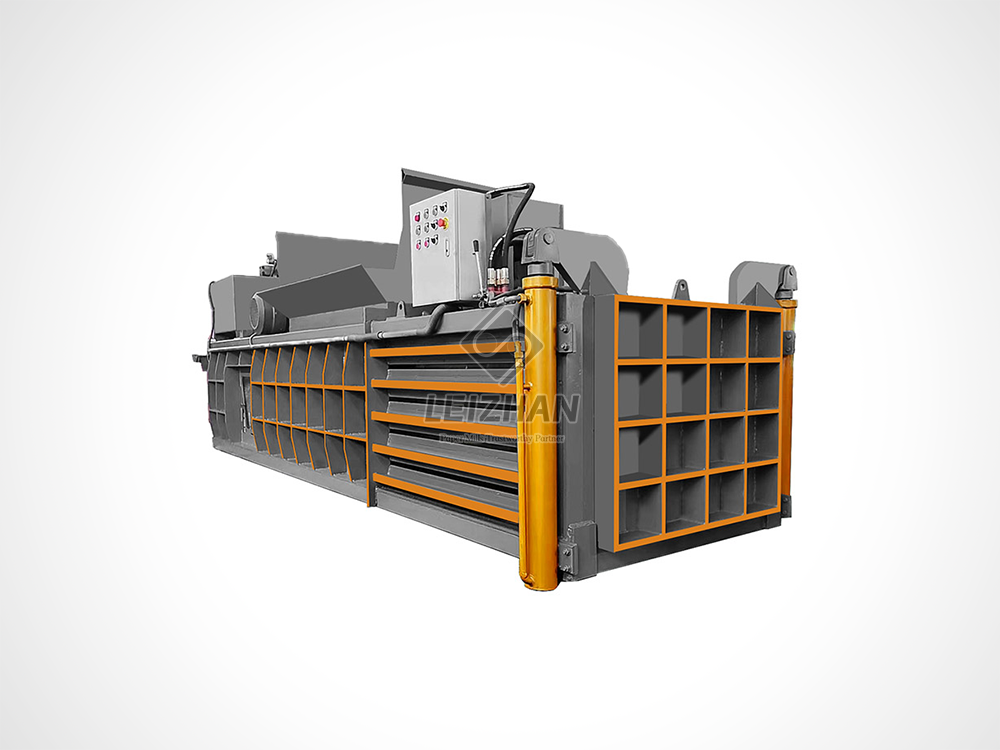
Choosing the Right Architecture: Vertical vs. Horizontal
Selecting the correct frame style is the single most critical step in equipment procurement. You must match the machine's engineering to your labor availability, floor layout, and daily waste generation.
The Vertical Solution for Confined Spaces
A vertical baler compresses material from the top down using a single, vertically mounted cylinder. These units feature a highly compact footprint, making them the industry standard for retail backrooms, grocery stores, and light manufacturing plants where floor space is tight.
They represent a lower initial capital expenditure. However, the trade-off is throughput. Vertical presses require manual feeding and manual wire tying. An operator must physically load the chamber and stand by to bind the finished block, which naturally caps the total tonnage you can process per shift.
The Horizontal Powerhouse for Continuous Processing
In contrast, a horizontal baler crushes material from side to side. Because of this lateral orientation, engineers can integrate them directly with pneumatic air cyclones, mechanical cart tippers, or wide conveyor belts.
These machines are built for punishing, non-stop industrial environments. For example, high-end horizontal models from manufacturers like Leizhan feature main cylinder pressing forces exceeding 100 to 120 tons, capable of processing 5 to 15 tons of material per hour. They produce standard 1100 by 1100 millimeter bales that maximize shipping container payloads. Equipped with automated wire-tying mechanisms, they eliminate manual binding, drastically cutting labor costs for large distribution centers.
Core Comparison Guide
| Equipment Type | Best Suited For | Floor Space Required | Loading Method | Throughput Capacity |
| Vertical Press | Retail, supermarkets, small warehouses | Minimal footprint, requires high ceilings | Manual loading | Low to Medium |
| Horizontal Press | Recycling centers, large distribution hubs | Substantial footprint, requires dedicated zones | Automated conveyors, cyclones | High to Extremely High |
Engineering Features to Demand During Procurement
When you sit down to evaluate specific models, look past the basic dimensions. The nuanced technical specifications dictate how the machine will perform on a busy Tuesday afternoon five years from now.
Pressing Force and Mill-Ready Dimensions
The true metric of compaction is hydraulic force. Higher tonnage yields a tighter, heavier bale. You must match the cylinder force to your target material. Producing standard 60-inch mill-size bales is the golden rule, as commercial recycling centers pay top dollar for blocks that perfectly fill standard freight trailers without wasting space.
Failsafe Security and Logic Controls
Industrial presses wield immense destructive power. Operator safety must be hardwired into the machine. Demand tamper-proof magnetic interlocks that instantly kill the hydraulic circuit if a loading door opens mid-cycle. Look for prominent emergency stops, UL-listed electrical panels, and intuitive touchscreen interfaces that simplify troubleshooting and reduce training time for new hires.
Aligning with Corporate Sustainability Targets
Modern equipment upgrades must support broader environmental mandates. Corporate sustainability is a measurable metric heavily scrutinized by supply chain partners and investors.
When corrugated cardboard rots in an anaerobic landfill, it generates methane, a highly potent greenhouse gas. Implementing a structured baling system guarantees these fibers are diverted directly back to pulping mills. This closed-loop recycling conserves timber and water resources. Furthermore, tracking your bale output provides concrete data for environmental, social, and governance compliance, proving your facility's commitment to verifiable eco-friendly practices.
Front-Line Maintenance Protocols
Industrial machinery thrives on preventative care. While heavy-duty steel frames can take a beating, the hydraulic and electrical nervous systems require proactive attention to prevent catastrophic downtime.
Effective maintenance starts with the operator. At the end of every shift, crews must sweep paper dust and stray wire clippings away from the ram tracks and optical sensors. Weekly routines should include greasing heavy door hinges and cylinder pivot points. Friction is the enemy of longevity. Maintenance engineers must regularly check hydraulic fluid levels, inspect high-pressure hoses for weeping, and listen for the distinct whine of pump cavitation. Swapping out hydraulic filters at the manufacturer's recommended intervals is the cheapest insurance policy against total system failure.
Calculating Payback and Taking the Next Step
For plant managers, justifying the capital expenditure is straightforward. The return on investment calculation relies on hard operational data. First, audit your current monthly hauling fees and dumpster rentals. Next, project the reduced pickup schedule once compaction is live. Finally, factor in the market rate revenue from selling your baled cardboard.
Because this machinery simultaneously wipes out a major recurring expense and introduces a new income stream, most commercial facilities hit their break-even point within 12 to 24 months. Efficient waste handling is no longer optional; it is a baseline requirement for operational excellence.
Whether your daily volume calls for a space-saving vertical press or a massive, fully automated horizontal system, upgrading your material recovery strategy is a proven win. We highly recommend auditing your waste streams today. Explore the robust, high-performance compaction systems engineered by Leizhan Paper Tech to find the exact configuration that will streamline your floor plan and boost your bottom line.
How much does a commercial baler cost?
Pricing scales directly with pressing force and automation. Compact vertical models are highly accessible, generally running between $5,000 and $15,000, making them perfect for retail floors. Conversely, heavy-duty horizontal systems with automated tying and conveyor feeds represent a serious infrastructure investment, ranging from $50,000 to over $150,000. However, the aggressive reduction in hauling fees and the revenue generated from mill-ready bales typically offset this initial cost within one to two years.
What alternative materials can these machines process?
While engineered primarily for old corrugated cardboard and sorted office paper, these hydraulic presses are highly adaptable. Depending on the specific cylinder tonnage and shear blade configuration, many units easily crush shrink wrap, PET plastic bottles, textile offcuts, and light aluminum extrusions. Always verify material compatibility with the manufacturer to prevent scoring the hydraulic cylinder walls.
What is the expected lifespan of an industrial baler?
When properly maintained, a high-quality industrial press will easily operate for 10 to 15 years, and often much longer. The steel chassis is virtually indestructible under normal use. The lifespan is entirely dependent on how rigorously the maintenance team adheres to hydraulic oil changes, filter replacements, and daily cleaning protocols to protect the electrical sensors and pump seals.
How do I determine the right bale size for my facility?
Bale size should be reverse-engineered from your buyer's requirements. Speak with local recycling brokers before purchasing equipment. In most markets, standard 60-inch mill-size bales yield the highest financial return because they optimize space inside standard shipping containers, reducing freight costs for the buyer.
How often should preventative maintenance be scheduled?
A tiered approach works best. Operators must perform daily visual checks of safety gates and clear debris. Maintenance techs should handle weekly greasing of pivot points and automated knotters. Finally, schedule a comprehensive hydraulic and electrical audit by a certified technician biannually to test pressure relief valves and inspect structural welds.
Do operators require specialized safety training?
Absolutely. Occupational safety regulations mandate dedicated training for all authorized personnel. Operators must understand how to clear jams safely, execute standard lockout and tagout procedures, and properly thread high-tensile baling wire. Proper training ensures dense, uniform bales and protects workers from the immense pressure generated by the hydraulic ram.


