Contaminant removal directly dictates the runnability and profitability of any paper manufacturing operation. Poor debris management leads to frequent web breaks, accelerates equipment wear, and downgrades final product quality. You cannot afford to pass abrasive or adhesive materials downstream. The core engineering challenge lies in maximizing contaminant removal efficiency while minimizing good fiber loss and energy consumption. Every stage of the process must balance these competing demands. Evaluating and upgrading your removal systems requires a structured approach. You must match specific mechanical and chemical separation technologies to your unique furnish types. Virgin pulp presents different challenges than highly contaminated recycled fibers. By understanding the physical properties of incoming debris, you can sequence your cleaning stages to protect downstream machinery and ensure optimal paper machine performance.
Effective contaminant removal relies on a multi-stage approach leveraging specific gravity, size, and shape differences between fibers and debris.
Optimizing pulp screening equipment requires balancing rotor design, screen basket geometry (slots vs. holes), and energy consumption to achieve target accept quality.
"Stickies" (adhesives and plastics) remain the highest-risk contaminant in recycled furnishes, requiring specialized dispersion, chemical coagulation, and kneading technologies rather than standard screening alone.
The Critical Role of Contaminant Removal in Stock Preparation
Defining Success Criteria: Runnability, Yield, and Quality
You must establish clear baseline metrics to evaluate system efficiency. Accept consistency, reject ratio, and specific energy consumption form the foundation of this evaluation. Accept consistency determines how well the system maintains fiber flow without thickening or diluting beyond target parameters. The reject ratio highlights the percentage of material discarded. A high reject ratio might indicate excellent cleaning, but it often masks unacceptable good fiber loss. Downstream paper machine requirements strictly dictate upstream cleanliness targets. High-speed tissue machines require virtually zero abrasive contaminants to prevent Yankee cylinder scoring. Packaging grades can tolerate higher dirt counts but remain highly sensitive to macro-stickies that cause sheet defects. You must align your Stock Preparation goals directly with the final product specifications to avoid over-engineering or under-performing.
Measure accept consistency continuously to prevent downstream flow variations.
Calculate volumetric and mass reject ratios daily to monitor fiber yield.
Track specific energy consumption per ton of pulp to identify inefficient rotor operation.
Pre-System Contaminant Management: Raw Furnish Control and Process Water Quality
Incoming raw material variability presents a massive operational hurdle. Recycled mills deal with fluctuating bale quality, hidden plastics, and varying moisture contents. Virgin mills face seasonal changes in woodyard dirt, bark, and sand. You cannot control what enters the pulper, but you can control how you handle it immediately upon entry. Aggressive ragger operation and junk tower management are non-negotiable first steps. Background contamination building up in closed water loops poses a hidden threat. As mills reduce fresh water intake, dissolved and colloidal substances accumulate. You must pre-filter process water before it re-enters the main line. Failing to manage loop water quality leads to chemical deposition and reduces the efficiency of downstream separation equipment. Clean water is just as critical as clean furnish.
Categorizing Contaminants by Physical Properties
You must classify debris by its physical characteristics to select the right removal mechanism. Heavy contaminants include sand, glass, staples, and metals. They possess a high specific gravity and respond well to centrifugal forces. You remove these early in the process to prevent severe mechanical damage to pumps and screens. Light contaminants consist of plastics, waxes, and polystyrene. Their low specific gravity means they often float or travel with the fiber mat. They require specialized reverse cleaning or fine slotted screening. Deformable and adhesive contaminants, known as macro and micro-stickies, represent the most difficult category. They extrude through screen slots under pressure. You must deploy distinct mechanical dispersion and chemical mitigation strategies to handle them.
Primary Contaminant Removal Stages and Technologies
High-Density (HD) Cleaning: The First Line of Defense
High-density cleaners operate at consistencies between 2% and 4%. They utilize powerful centrifugal forces to separate abrasive heavy debris from the fiber suspension. The stock enters tangentially, creating a downward vortex. Heavy particles like rocks, nuts, and bolts are forced to the outer wall and drop into a reject chamber. The lighter fiber moves to the center and flows upward as accepts. You must balance pressure drop requirements against separation efficiency. A higher pressure drop increases the centrifugal force, capturing smaller heavy particles. However, it also demands significantly more pumping power. Operators must monitor the reject chamber purge cycles closely. Purging too frequently wastes good fiber. Purging too rarely allows heavy debris to carry over and destroy downstream rotor blades.
Chemical Agglomeration: Preparing Colloidal Contaminants for Physical Separation
Mechanical separation alone cannot capture micro-contaminants and dissolved organics. You can use chemical coagulants and flocculants upstream to gather these tiny particles into larger, manageable flocs. Coagulants neutralize the negative surface charges of the contaminants. Flocculants then bridge these neutralized particles together. This chemical pretreatment drastically increases the capture rate of downstream mechanical systems. Once micro-stickies agglomerate into macro-stickies, standard slotted screens can effectively retain them. In de-inking lines, agglomeration helps gather fine ink particles into clusters large enough for flotation cells to remove. You must dose these chemicals precisely to avoid over-flocculating the good fiber.
Coarse and Fine Screening: Core Separation Mechanisms
The screening process transitions from coarse to fine stages to progressively clean the pulp. Coarse screening removes large plastics, shives, and un-pulped flakes. Fine screening targets smaller debris and rigid contaminants. Modern Pulp Screening Equipment utilizes positive pressure and specialized rotor pulses to keep the pulp mat fluidized. The rotor creates a positive pulse to push accepts through the basket, followed by a negative suction pulse to clear the slots or holes. This prevents blinding. You must maintain the correct volumetric reject rate to ensure contaminants are continuously flushed from the screen body. If the reject valve restricts flow too much, debris concentrates inside the screen, leading to rapid basket wear and eventual plugging.
Comparison of Primary Contaminant Removal Stages | Removal Stage | Target Contaminants | Operating Mechanism | Typical Consistency |
| HD Cleaning | Rocks, metals, glass | Centrifugal force (High SG) | 2.0% - 4.0% |
| Coarse Screening | Large plastics, flakes | Size exclusion (Holes) | 1.5% - 3.0% |
| Fine Screening | Shives, macro-stickies | Size/Shape exclusion (Slots) | 1.0% - 2.0% |
| Hydrocyclones | Sand, fine dirt, light plastics | Centrifugal force (Low/High SG) | 0.5% - 1.0% |
| Flotation | Ink, hydrophobic particles | Air bubble attachment | 1.0% - 1.5% |
Centrifugal Cleaning (Hydrocyclones)
Low-consistency centrifugal cleaners, or hydrocyclones, target fine dirt, sand, and lightweight plastics. They operate at consistencies below 1% to maximize the density differential between fibers and contaminants. Forward cleaners remove heavy particles. The heavy dirt exits the bottom apex, while clean fiber exits the top. Reverse cleaners operate on the opposite principle. They target lightweight contaminants like wax and polystyrene. In a reverse cleaner, the light debris migrates to the central vortex and exits the top, while the heavier good fiber exits the bottom. You often need multi-stage cascade systems to minimize fiber loss while achieving high cleanliness levels.
Flotation and Washing (De-inking Applications)
Recycled fiber lines relying on recovered paper require aggressive ink removal. Flotation cells inject air bubbles into the pulp suspension. Hydrophobic ink particles attach to the rising bubbles and form a froth on the surface. Mechanical skimmers or overflow weirs then remove this contaminated froth. You must evaluate whether your furnish requires washing or flotation. Washing removes microscopic ash and extremely fine ink particles by passing the stock through wire meshes. It is highly effective but consumes significant water. Flotation targets larger, visible ink particles and retains more filler and fines. Most high-quality de-inking plants utilize a combination of both technologies.
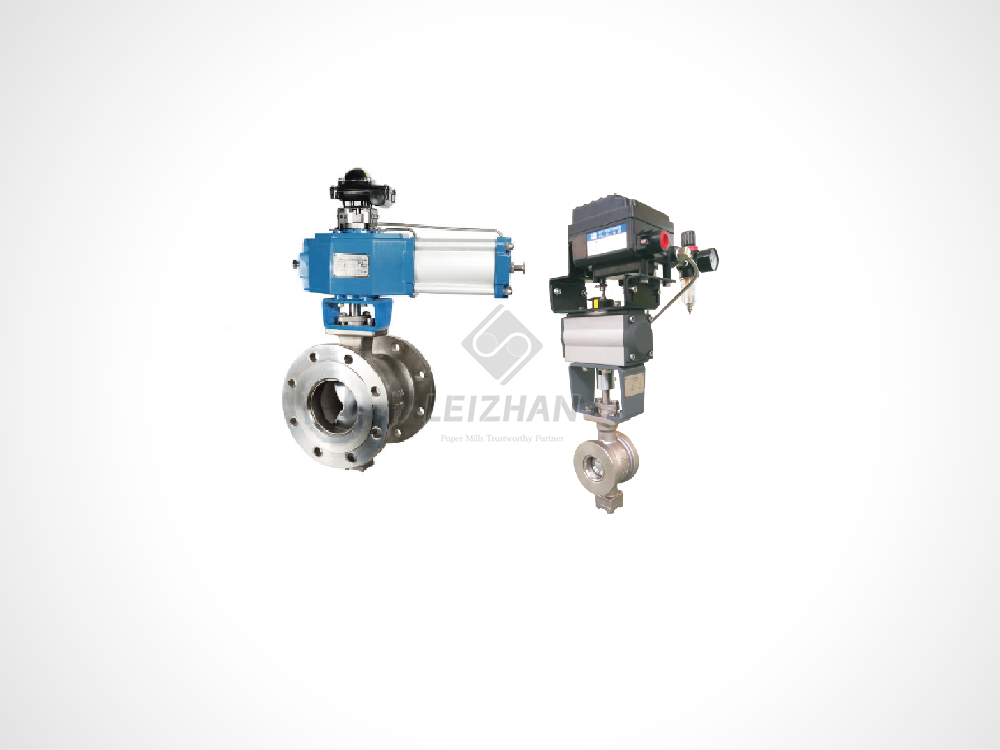
Evaluating Pulp Screening Equipment: Features to Outcomes
Screen Basket Geometry: Slots vs. Holes
The geometry of your screen basket dictates what passes and what stays. Holed baskets handle coarse debris and offer high-capacity flow. They are robust and resist plugging well. However, they allow long, thin contaminants like shives to pass through if aligned with the flow. Slotted baskets, often constructed from profiled wires, deliver high-efficiency shive and sticky removal. The narrow slots block deformable particles better than round holes. The contour and profile design of the wire surface generates micro-turbulence. This turbulence helps fluidize the pulp right at the basket surface, allowing good fiber to slip through while rejecting flat or rigid debris.
Rotor Dynamics and Energy Consumption
The rotor is the heart of the screen. Foil rotors generate smooth, consistent pulses and are generally more energy-efficient. Step rotors create aggressive, high-intensity pulses, making them suitable for high-consistency applications or heavily contaminated furnishes. Rotor speed directly influences the pulse frequency. A higher speed prevents basket blinding and increases capacity, but it exponentially increases specific energy consumption. You must find the optimal tip speed that keeps the basket clean without wasting power. Excessive rotor speed can also break down brittle contaminants, pushing them through the slots and into the accept stream.
Reject Rate Management and Fiber Recovery
Single-stage screening loses too much good fiber. You must implement multi-stage screening cascades comprising primary, secondary, tertiary, and tailing screens. The rejects from the primary screen feed the secondary screen, and so on. This concentrates the contaminants while recovering usable fiber. Evaluating tailing screen performance requires a strict mass balance approach. You must weigh the volume of usable fiber recovered against the energy and maintenance demands of running an additional stage. Sometimes, a simple vibrating screen is sufficient for the final tailing stage, while other times, a specialized closed-rotor screen is necessary to squeeze out the last usable fibers.
Advanced Challenges: Managing Stickies and Micro-Contaminants
Dispersion and Kneading Systems
When physical removal fails, you must alter the contaminant's physical state. Thermal and mechanical dispersion systems heat the pulp to soften macro-stickies. High-speed dispersers then use impact forces to shatter these softened stickies into sub-visible sizes. Once reduced to micro-stickies, they are less likely to cause web breaks. Low-speed kneading systems rely on fiber-to-fiber friction rather than direct impact. Kneaders operate at very high consistencies. They retain fiber strength better than high-speed dispersers and consume less energy. However, dispersers generally provide a more uniform reduction of sticky particle size. Your choice depends on the specific strength requirements of your final paper grade.
Adsorptive Additives and Surface Passivation
You can use high-surface-area minerals to manage tacky substances that escape mechanical screening. Talc, bentonite, and diatomaceous earth act as adsorptive additives. They coat the surface of micro-stickies, eliminating their tackiness. This process, known as passivation, prevents the stickies from agglomerating and depositing on paper machine wires or press felts. Proper dosing locations are critical. You must introduce these minerals early enough in the process to ensure adequate mixing and contact time. If you dose too late, the stickies will have already deposited on the equipment. Continuous monitoring of system charge and turbidity helps optimize mineral addition rates.
Implementation Risks: Chemical vs. Mechanical Mitigation
Relying solely on mechanical equipment to handle stickies is a failing strategy. Deformable plastics will eventually extrude through even the tightest screen slots. Conversely, relying entirely on chemical pacification introduces significant risks. Polymers and enzymes can build up in highly closed water loops. This chemical build-up often leads to white pitch formation. White pitch is a disastrous combination of synthetic binders, stickies, and chemical additives that coats paper machine fabrics. You must integrate both mechanical removal and chemical management. Remove as much as possible mechanically, and chemically treat only what you cannot catch.
Scalability and System Efficiency
Energy Efficiency vs. Separation Efficiency Trade-offs
You must analyze the non-linear relationship between increasing screen efficiency and the resulting exponential increase in pumping and motor energy. Tighter slots and higher rotor speeds yield cleaner pulp but demand massive power inputs. Operators must map out the exact point of diminishing returns where the energy required to remove the remaining fractional percentage of dirt exceeds the value of the recovered fiber.
Closed-Loop Water Management and Biological Build-Up
Water loop closure directly affects the accumulation of dissolved and colloidal substances. As mills recycle more water, background contamination signals rise, interfering with chemical additives. You must evaluate the integration of biological or membrane treatment steps within the water loop to keep system background signals low and prevent anaerobic bacteria from generating corrosive byproducts.
Maintenance Intervals and Wear Parts
Evaluate the lifecycle of screen baskets and rotors based on operational hours and furnish abrasiveness. Metallurgy and surface treatments, such as hard chroming or ceramic coatings, extend maintenance intervals significantly in highly abrasive recycled furnishes. Regular inspections of rotor clearances and basket wear profiles prevent catastrophic failures and maintain consistent separation efficiency.
Conclusion
Effective contaminant removal requires a highly integrated cascade of density, size, and shape-based separation stages combined with disciplined chemical water management. No single machine solves every debris problem. You must match your equipment specifications directly to your incoming furnish and your final product requirements.
Initiate a comprehensive mass balance evaluation across your existing screening cascade to identify areas of excessive fiber loss.
Conduct a water loop analysis to measure the accumulation of dissolved and colloidal substances affecting your chemical efficiency.
Run pilot-scale screening trials with varying basket slot sizes before committing to full-scale rotor or basket upgrades.
Audit your high-density cleaner reject rates to ensure you are adequately protecting downstream rotors from heavy abrasive damage.
FAQ
Q: What is the difference between forward and reverse hydrocyclones in stock preparation?
A: Forward hydrocyclones remove contaminants heavier than water and fiber, such as sand and metal. The heavy debris exits the bottom. Reverse hydrocyclones remove lightweight contaminants like wax and plastics. The light debris migrates to the center and exits the top, while clean fiber exits the bottom.
Q: How does consistency affect the efficiency of pulp screening equipment?
A: Lower consistency improves separation efficiency because fibers and contaminants move more freely, preventing debris from getting trapped in the fiber mat. However, lower consistency requires pumping significantly more water, increasing energy consumption and requiring larger equipment.
Q: What are stickies in paper manufacturing and why are they difficult to remove?
A: Stickies are adhesive contaminants originating from tapes, labels, and glues in recycled paper. They are difficult to remove because they are deformable. Under pressure, they can extrude through fine screen slots that would normally block rigid particles of the same size.
Q: How do you calculate the reject rate in a pulp screening system?
A: The volumetric reject rate is calculated by dividing the reject flow rate by the feed flow rate. The mass reject rate is calculated by multiplying those flows by their respective consistencies to determine the actual dry weight of material being rejected compared to the incoming feed.
Q: Why are slotted screen baskets preferred over holed baskets for recycled fiber?
A: Slotted baskets provide superior removal of shives and macro-stickies. The narrow slots block flat and deformable contaminants much better than round holes. Profiled slotted wires also generate micro-turbulence that helps keep the slots clear and fluidizes the pulp mat.
Q: What is the role of a dispersion system in contaminant management?
A: Dispersion systems use heat and mechanical force to break down macro-stickies and un-pulped flakes into sub-visible micro-particles. This prevents the stickies from causing visible defects in the final sheet or agglomerating on paper machine fabrics.


