Is your facility bottlenecking at the final packaging step? In many modern manufacturing plants, upstream production operates at breakneck speeds, only to hit a wall when goods reach the shipping dock. Manual handling inherently slows throughput, inflates labor costs, and creates significant safety hazards due to excessive forklift traffic navigating tight spaces.
An automated Pallet Wrapper System solves this exact problem. It transforms a disjointed, manual process into a continuous, hands-free operation. By linking advanced wrapping machinery directly with material handling belts or chains, facility managers can achieve unprecedented operational fluidity.
In this comprehensive engineering guide, we will explore the physical and digital handover between these machines. We will dive into specific transit configurations tailored for different load weights, examine real-world industrial applications, and provide a strategic buyer checklist to help you upgrade your packaging architecture successfully.
Key Takeaways for Facility Upgrades
- Seamless Automation: Linking automated wrapping machinery with transit belts eliminates manual load staging, establishing an uninterrupted flow just before shipping.
- Smart Communication: Programmable controllers and warehouse software function as the central nervous system. They ensure perfect synchronization while tracking inventory data in real-time.
- Increased Safety and Output: Removing manual intervention drastically reduces forklift traffic in pedestrian zones. This objectively boosts overall throughput and mitigates workplace accidents.
- Customizable Configurations: Whether a facility utilizes roller, chain, or modular plastic belts, the system architecture can be engineered to accommodate specific load dimensions and rigorous environmental demands.
Current Industry Dynamics Driving Automation
Before diving into the mechanical specifics, it is crucial to understand why modern logistics centers are rapidly abandoning standalone equipment. Recent supply chain analyses indicate a massive shift toward Industry 4.0 standards. Chronic labor shortages have made it nearly impossible to staff manual packaging lines consistently across three shifts. Furthermore, massive retailers and global distributors now demand rigorous, error-free supply chain traceability.
To meet these demands, facilities are moving away from isolated workstations. The contemporary approach treats the packaging zone as a strategic data node. Modern integrated lines utilize industrial Internet of Things sensors to monitor film tension, motor health, and throughput analytics in real-time. This interconnected ecosystem facilitates predictive maintenance, ensuring that minor mechanical wear does not escalate into catastrophic line failure during peak production hours.
Understanding the Mechanics: The Handoff, Wrap, and Exit
To evaluate the operational impact of automated packaging, an engineer must first visualize the physical mechanics of the integration. A fully automated setup never operates in isolation. Rather, it relies on a highly synchronized sequence of mechanical handoffs governed by precise sensor logic.
The Precision Handoff Process
The integration begins the moment a loaded pallet travels down the infeed transit line toward the active wrapping zone. A sophisticated network of photoelectric sensors and proximity switches closely monitors this movement. When the pallet breaks the beam of the primary photo-eye sensor, the control mechanism registers its exact position.
Immediately, a signal transmits to the variable frequency drive to gently decelerate and pause the motors. This precise, cushioned stop prevents top-heavy loads from shifting. It ensures the pallet is perfectly staged before entering the machine.
The Active Wrapping Cycle
Once the system clears the pallet to enter, the internal drive mechanisms activate. These are located either within a rotating turntable or stationed beneath a high-speed rotary arm. They pull the load into the exact center of the machine. Centering is an absolute necessity for maintaining the structural integrity of the load during high-speed rotation.
During the stretch phase, the motorized carriage dispenses pre-stretched plastic film. The machine applies the film securely around the palletized goods, driving it down to the wooden base. By wrapping the film tightly around the bottom structure, the system effectively locks the load to its foundation. This prevents any lateral shifting during long-haul transit.
The Automated Exit Strategy
Upon completing the programmed wrap cycle, the equipment seamlessly initiates the exit strategy. An automated cutting mechanism severs the stretch film. Concurrently, a mechanical brush or pneumatic wiper secures the film tail against the load to prevent unraveling in the wind.
Following this tail wipe, the outfeed drive activates. The wrapped pallet smoothly transitions out of the zone and travels toward the staging area. This instant clearance prepares the machine for the next incoming load without a single second of wasted cycle time.
The Brains Behind the Operation: Digital Synchronization
While heavy steel frames and wrapping arms perform the physical lifting, automation technology makes this physical link possible. The mechanical reliability of an automated packaging setup depends entirely on its digital architecture.
The Role of Programmable Logic Controllers
The industrial computer dictates the exact timing, operational speed, and safety protocols of both the transit lines and the wrapping unit. Instead of relying on floor workers to press buttons, the PLC Control system processes inputs from proximity sensors, weight scales, and motor drives in mere milliseconds.
Crucially, this logic framework governs collision avoidance. It ensures the infeed line will never push a new pallet into the active zone before the previous one has fully cleared the outfeed sensor. In addition, if a safety light curtain is breached by a pedestrian, the system instantly triggers an emergency stop across all linked machinery.
Inventory Management Synchronization
A Warehouse Management System tracks inventory entering, moving through, and leaving a facility. Establishing deep WMS Integration with your packaging equipment transforms a standard transit station into a vital data collection hub.
Once connected, the architecture leverages inline barcode scanners or radio frequency identification readers. These devices identify the pallet as it moves down the line. Inline scales capture precise weights before and after the film is applied. The system then pushes this data directly to the central database via local network protocols. Consequently, inventory records update in real-time with accurate shipping weights, bypassing manual data entry entirely.
Key Transit Configurations for Industrial Environments
Selecting the correct physical Conveyor is just as critical as choosing the wrapper itself. The ideal configuration depends heavily on the type of pallets used, the aggregate weight of the product, and the unique environmental conditions of the plant.
Chain-Driven Live Roller Systems
These configurations are the most ubiquitous choice for standard warehouse operations. They are highly cost-effective and engineered specifically for flat-bottom wooden or plastic pallets. The continuous surface area provided by the steel cylinders ensures smooth, vibration-free transit for stable loads. However, engineers generally do not recommend them for pallets with missing bottom boards or highly irregular footprints, as splintered wood can easily jam the rotating mechanisms.
Heavy-Duty Chain Transit Systems
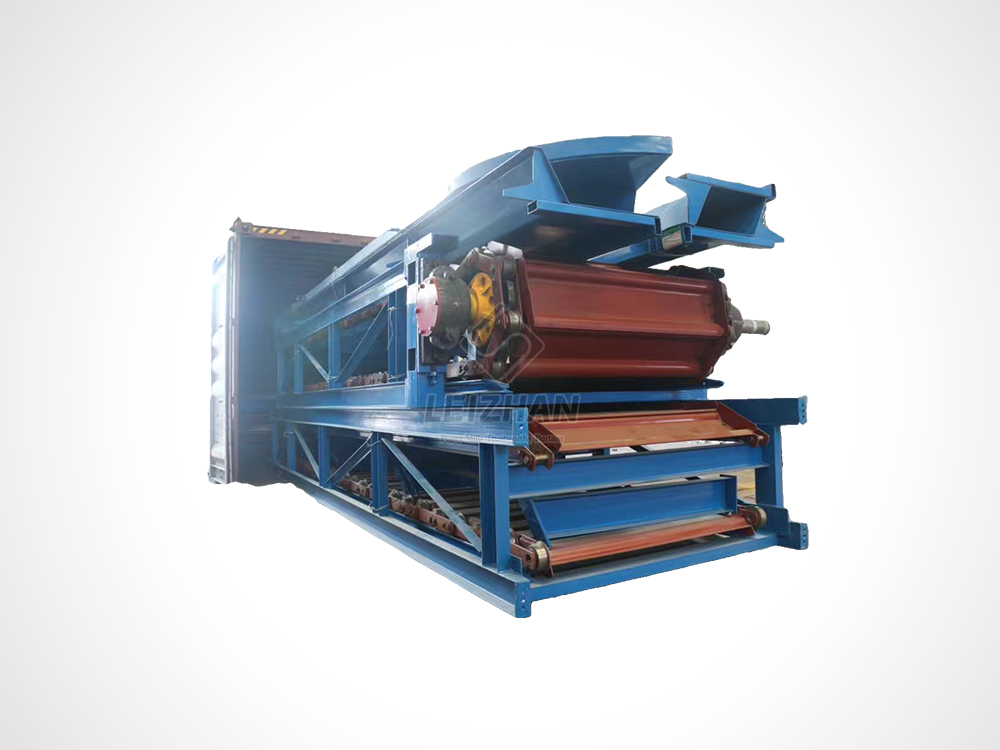
For demanding applications like paper pulp stock preparation or raw material handling, chain-based systems are the undisputed industry standard. Standard rollers simply crush under massive industrial weights. Instead, facilities deploy robust equipment modeled after heavy-duty designs like the BFW series chain conveyors.
These specialized units utilize heavy-duty steel chains and punch-formed plates to drag massive loads forward. Engineered for extreme environments, they feature plate widths ranging from 1200 to 2600 millimeters. They can handle immense conveying capacities up to 315 cubic meters per hour. Driven by powerful motors ranging from 5.5 to 55 kilowatts, these chain systems comfortably transport irregular bottoms and multi-ton paper rolls that would destroy standard warehouse equipment.
Modular Plastic Belt Configurations
Certain industries operate under specialized hygienic constraints. Modular plastic belt systems are frequently deployed in food and beverage facilities requiring strict washdown environments. These belts provide an easy-to-clean surface that actively resists chemical corrosion. They link seamlessly to stainless-steel wrapping units, ensuring the entire line meets regulatory sanitation standards without sacrificing throughput.
Core Comparison: Standalone vs. Integrated Systems
For procurement teams evaluating equipment upgrades, choosing the right level of automation is critical. To clarify this decision, we have outlined the stark differences between manual standalone units and fully integrated lines.
| Feature | Standalone Turntable Wrappers | Integrated Conveyor Wrapper Lines |
| Throughput Capacity | Low to Medium up to 20 pallets per hour | High up to 100+ pallets per hour |
| Labor Requirement | High forklift operator required for every load | Zero fully automated flow from production |
| Facility Footprint | Minimal space required | Requires linear space for infeed and outfeed zones |
| Data Collection | Manual entry prone to human error | Automated inline weighing and barcode scanning |
| Optimal Application | Small warehouses, seasonal businesses | 24/7 manufacturing, heavy industry, e-commerce |
Maximizing Overall Equipment Effectiveness
Connecting wrapping machinery with transit belts represents a significant capital expenditure. Plant managers must justify this investment by understanding the measurable impact on the facility's Overall Equipment Effectiveness.
In many manufacturing plants, the final packaging stage is the most constrained segment. Upstream machines may churn out goods rapidly, but if pallets must be manually moved, a backlog inevitably forms. Linking these systems ensures that the packaging process keeps pace with upstream production. By creating a continuous flow, facilities eliminate staging queues and maximize their total daily output.
Furthermore, automating the End of Line drastically reduces forklift travel time. Traditional setups require an operator to drive a pallet to the wrapper, wait idly for the cycle to finish, and then transport it to the dock. Integrated transit lines move the pallet directly from the production zone. This keeps heavy machinery out of high-traffic pedestrian zones, statistically lowering the risk of workplace accidents and reducing vehicle maintenance costs.
Engineering Buyer Checklist: Sizing Your System
Investing in automated packaging requires a systematic evaluation of your facility parameters. Selecting the wrong equipment configuration leads to mechanical bottlenecks and excessive motor wear. Use the following engineering criteria before requesting vendor quotes.
Step 1: Audit Your Load Dynamics
The physical characteristics of your product dictate the mechanical requirements of the entire line. You must document the maximum, minimum, and average weight metrics. Standard roller configurations handle up to 4,000 pounds per pallet. In contrast, heavy raw materials require custom heavy-duty chains with high-torque motors. If your facility processes highly unstable loads, a rotary arm wrapper—which keeps the pallet stationary while the film carriage rotates around it—is vastly superior to a spinning turntable.
Step 2: Calculate True Surge Capacity
Throughput should never be measured solely by daily averages. Peak operational hours must dictate system capacity. Calculate your required pallets per hour during your busiest shift. Specifically, determine how many pallets need to be staged on the infeed and outfeed accumulation zones. Proper zero-pressure accumulation prevents upstream production from halting if a forklift is delayed at the shipping dock.
Step 3: Map the Layout Geometry
Linear floor space is a strict constraint. An integrated system requires dedicated space for the infeed line, the active zone, the outfeed line, and mandatory safety fencing. If straight-line space is limited, engineers can design right-angle transfer modules to create compact layouts. Always ensure the final design allows for compliant pedestrian walkways outside the safety perimeters.
Gaining Stakeholder Buy-In for Capital Expenditure
Transitioning to a fully integrated packaging line requires cross-functional alignment. The project champion must tailor the business case to address the specific performance indicators of each department.
When presenting to the Warehouse Manager, focus on operational continuity and safety. Emphasize how automating the final step eliminates the packaging bottleneck. Highlight that physical safety fences objectively reduce forklift-related incidents.
Information Technology teams are naturally skeptical of introducing new networked hardware. Reassure them that the architecture utilizes standard industrial protocols. Demonstrate how the equipment utilizes secure programming interfaces to push real-time data directly into the central database without compromising network security.
Financial stakeholders base their approvals on empirical return on investment calculations. Explain the mechanics of powered pre-stretch film carriages, which stretch wrapping film by up to 300 percent. This drastically reduces the volume of consumables used per pallet. Present a clear model that factors in reduced labor overtime, lower film costs, and decreased product damage. In high-volume facilities, these integrated systems frequently demonstrate a payback period of 18 to 24 months.
Conclusion
Linking a wrapping system with automated transit lines is far more than just bolting two machines together. It is about engineering a unified, intelligent solution that actively drives operational growth and facility safety.
By leveraging sophisticated logic controllers and robust mechanical chains, facilities can future-proof their operations. The dramatic reduction in forklift dependency, coupled with precisely contained loads, transforms a chaotic loading dock into a highly streamlined staging environment.
Evaluate your current packaging processes today. For demanding industrial applications, especially in paper making and stock preparation, standard equipment will not suffice. We highly recommend consulting with automation experts to design a custom layout tailored to your specific load dynamics. To explore heavy-duty chain conveyors and advanced material handling solutions engineered for rigorous environments, visit Leizhan Paper Tech to find the exact specifications that match your facility's requirements.
Frequently Asked Questions
Can I add a conveyor to my existing manual pallet wrapper?
While technically possible to retrofit certain standalone wrappers, it is rarely cost-effective. Retrofitting requires extensive mechanical modifications to the turntable to accommodate rollers or chains. More importantly, it demands a complete overhaul of the machine's software. The legacy controller must be replaced to manage the complex handshake signals required for automated infeed sequencing. Procuring a purpose-built inline system yields a much higher return on investment and greater mechanical reliability.
How does the system handle pallets of varying heights and sizes?
Modern integrated systems are engineered to process mixed inventory dynamically without human intervention. As a pallet enters the zone, a series of ultrasonic photo-eyes scan the load. These sensors detect the exact height and leading edge of the pallet. The central processing unit uses this dimensional data to automatically adjust the rotation speed, film tension, and vertical travel limits of the carriage, ensuring optimal containment force for every unique load.
What happens if the outfeed staging conveyor gets completely full?
Industrial transit networks utilize a logic framework known as zero-pressure accumulation. The outfeed line is divided into distinct zones, each monitored by sensors. The central controller continuously tracks zone occupancy. If the final staging zone becomes full, the system registers a blocked signal. The controller cascades a pause command upstream, holding the wrapped pallet safely in place until the exit is cleared, at which point flow automatically resumes.
What is the standard height for a pallet wrapper conveyor system?
The standard top-of-roller height for most industrial packaging lines is typically between 18 to 20 inches from the floor. This height aligns perfectly with standard forklift forks and automated guided vehicles, allowing for smooth loading and unloading. However, heavy-duty drag chains or custom setups can be engineered to lower or higher profiles depending on the specific material handling equipment used in your facility.
How do I calculate the ROI of an integrated wrapping line?
Calculating the return on investment requires factoring in four primary variables: labor savings, film reduction, damage mitigation, and throughput increase. First, quantify the hourly wages of forklift operators reallocated from manual wrapping. Second, calculate the film savings generated by powered pre-stretch carriages. Third, estimate the reduction in freight damage chargebacks due to consistent load containment. Finally, factor in the increased revenue from eliminating the packaging bottleneck. Most high-volume facilities see full payback within 18 to 24 months.
Does an integrated system require specialized maintenance personnel?
An integrated system requires two distinct tiers of maintenance. The physical components, such as greasing bearings and inspecting drive belts, fall under standard mechanical preventative maintenance. However, the automation layer requires specialized knowledge. Troubleshooting sensor alignment issues or diagnosing network communication faults requires a technician proficient in industrial logic controllers. Facilities should ensure their maintenance personnel receive specific training on the equipment interface.
How exactly does software integration save the facility money?
Connecting your packaging machinery directly to your warehouse software eliminates the hidden costs of manual data handling. Inline scanners and automated weight scales capture data as the pallet is wrapped, eliminating the labor time spent manually scanning loads. Furthermore, it eradicates human transcription errors, which are the primary cause of lost inventory and inaccurate shipping manifests. By ensuring exact weights are transmitted automatically, companies avoid costly freight chargebacks.


