In high-volume warehousing and packaging environments, an automatic stretch wrap machine serves as the core engine of the end-of-line shipping process. It ensures pallets are securely bound and products are shielded from transit damage. When this equipment suddenly halts, the entire production line comes to a grinding standstill. One of the most frustrating issues warehouse operators face is a sudden film tear or carriage tangle.
As an equipment engineer who has spent years on the warehouse floor troubleshooting these exact systems, I can tell you that machines do not just fail randomly. Every snapped web and tangled roller has a clear mechanical or operational root cause. This guide strips away the guesswork. We will examine the empirical reasons behind packaging line stoppages, from mechanical vulnerabilities to suboptimal material choices. Whether you are currently staring down an active fault on the floor or looking to optimize your preventative maintenance protocols, these are the actionable insights you need to keep your line moving.
Key Takeaways for Line Operators
- Film Chemistry Matters: Running an incorrect gauge or low-quality plastic is a primary catalyst for tearing.
- Mechanical Misalignments: Deviations involving tension control dancer arms, sticky pre-stretch rollers, or an uneven rotating platform will trigger immediate system faults.
- Threading Geometry: Bypassing a single idler roller during threading pushes the material beyond its elastic limit.
- Proactive Maintenance: Scheduled cleaning and precise photoelectric sensor calibration are your best defenses against unexpected downtime.
- Strategic Upgrades: Persistent failures often indicate obsolete machinery. Modern facilities require smart PLC controls and high pre-stretch capabilities to handle today's sustainable films.
The True Cost of a Wrapper Fault in Your Facility
The operational fallout from a sudden stoppage extends far beyond a momentary pause in the wrapping cycle. In high-volume fulfillment centers, this machinery is the final gateway before revenue realization.
A single film jam acts as an immediate bottleneck. Upstream conveyors back up instantly. Forklift operators are forced into idle time. This cascade effect leads to delayed shipping schedules and compromised supply chain metrics. Field analysis routinely shows that a brief ten-minute stoppage at the wrapper can delay dispatch schedules by up to an hour due to the resulting traffic congestion.
Furthermore, there is a hidden, compounding cost in labor and material waste. Picture a maintenance tech locking out the machine and wrestling with a hardened plastic cocoon wrapped tightly around the carriage rollers. This over-stretched material is completely unrecoverable. Over a fiscal quarter, the cumulative cost of discarded packaging and diverted labor hours severely damages your bottom line.
Maximizing uptime is the fundamental metric for profitability in automated packaging. Frequent breakdowns degrade your Overall Equipment Effectiveness. A degraded OEE means the initial capital expenditure spent on the machinery takes much longer to amortize.
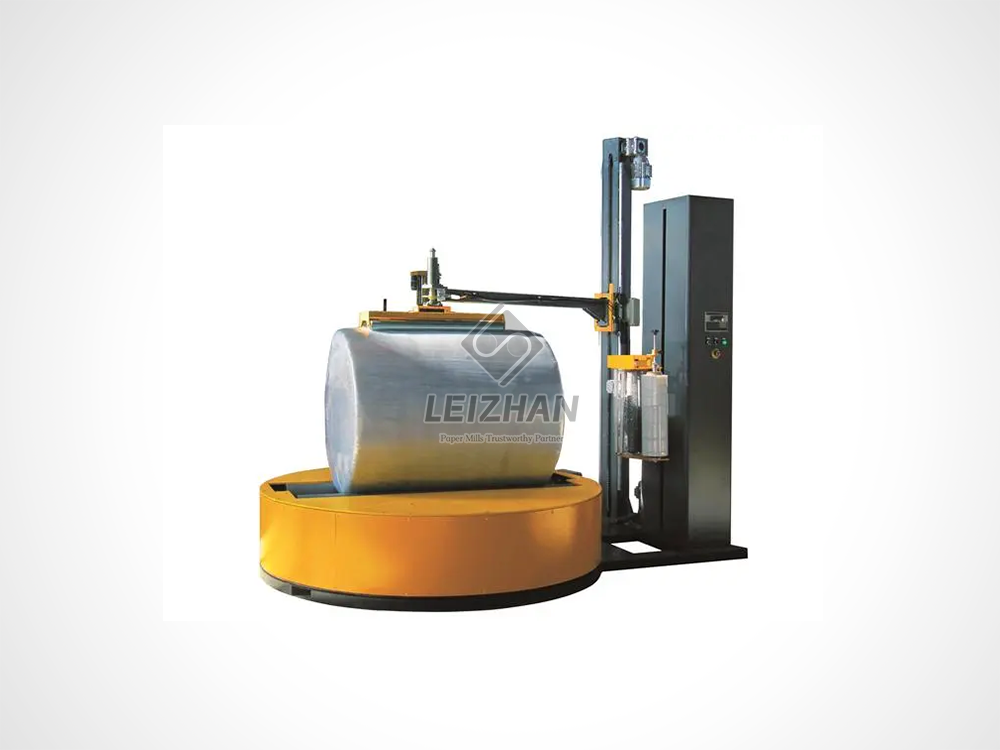
Top Mechanical Reasons Your Equipment Fails
While operator error is an easy scapegoat, the root cause of repeated failures usually lies within the mechanical integrity of the equipment. An automated wrapping system relies on a complex synchronization of moving parts, load cells, and tensioning devices. If one component falls out of alignment, the physics of the wrap cycle are compromised.
Let us look at the tension gathering unit. The accumulator is a critical mechanical component designed to manage film feed during the dynamic wrapping process. As a square pallet rotates, the demand for plastic fluctuates violently between the sharp corners and the flat sides. If the dancer arm becomes sluggish due to worn bearings or a failing tension spring, it simply cannot manage this slack. The resulting whiplash effect either snaps the web instantly or wraps it around the carriage.
Clearance issues also wreak havoc. Proper calibration of the turntable gap—the physical space between the rotating platform and the stationary base—is non-negotiable. If this clearance is too wide, loose tails of plastic are sucked underneath. Warehouse environments are full of debris like wood splinters. When debris accumulates in this crevice, it creates mechanical binding. The plastic drags against the obstruction, causing micro-tears that rapidly propagate into full breaks.
Finally, inspect your pre-stretch rollers. Commercial stretch films contain tackifiers, which are adhesive agents that help the layers cling together. Over thousands of cycles, this sticky residue builds up on the rubber surfaces. This invisible accumulation alters the friction coefficient and creates an uneven surface diameter. The web stretches inconsistently, leading to edge fractures that snap under load.
Material Compatibility and Evolving Industry Trends
Even a perfectly calibrated machine will falter if fed with incompatible materials. The interaction between your mechanical carriage and the polymer chemistry dictates success.
We are currently seeing a massive shift across the logistics industry toward sustainability. Warehouses are aggressively transitioning to ultra-thin, nano-layer stretch films to reduce plastic consumption and lower their carbon footprint. However, these highly engineered, thinner films are extremely unforgiving. They require hyper-precise tension control that aging machinery simply cannot provide. Attempting to run modern eco-friendly films on ten-year-old equipment usually results in continuous snapping and workflow paralysis.
Every roll of film possesses a maximum elastic limit. A severe mismatch occurs when operators attempt to push a standard 150 percent yield film through a carriage geared for 250 percent pre-stretch. The mechanical forces exceed the polymer's tensile strength, fracturing the molecular structure inside the assembly. Additionally, if a roll is dropped on the concrete floor prior to loading, the bruised edges act as starting points for tears as they pass through high-tension rollers.
Operator Errors That Compromise the Wrap Cycle
Automation reduces physical labor, but it absolutely requires skilled human oversight. Operator interaction remains a frequent source of faults.
The carriage is a labyrinth of rubber and steel rollers. Manufacturers provide specific routing diagrams for a reason. If an operator is rushing and bypasses a single idler roller, the entire mechanical geometry fails. The machine loses its ability to monitor slack, guaranteeing a massive tangle.
Improper load placement is another common issue. Rotational wrapping requires the load to be relatively centralized. When forklift operators place pallets off-center, it creates an eccentric rotation. This uneven spinning generates severe tension spikes as the distance between the load and the carriage fluctuates. Jagged pallet corners exacerbate this, acting as blades against the tightly pulled web.
Engineering Troubleshooting Matrix
To help maintenance teams diagnose issues faster, I have compiled this quick-reference troubleshooting matrix based on real-world floor data.
| Symptom on the Floor | Probable Root Cause | Engineer's Fix / Action Required |
| Film snaps cleanly at the pallet corners | Sluggish dancer arm or excessive tension setting | Inspect accumulator springs; reduce PLC tension parameters for corner compensation. |
| Film wraps tightly around carriage rollers | Tackifier buildup on rubber rollers | Lock out machine; clean rollers with 99% isopropyl alcohol; do not use blades. |
| Web tears consistently at the bottom of the load | Debris in turntable gap or jagged pallet base | Vacuum base clearance; adjust carriage lower-limit photoelectric sensor. |
| Continuous micro-tears along the film edge | Dropped/damaged film roll or incorrect threading | Replace supply roll; verify routing geometry against manufacturer schematic. |
Step-by-Step Guide: Safely Resolving a Carriage Tangle
When a severe tangle occurs, the speed and safety of your response dictate the total impact on throughput. Improper clearing techniques will permanently ruin expensive components.
First, power down and lock out. Safety is the absolute priority. Never reach into a live carriage assembly. Engage the emergency stop and strictly follow standard Lockout/Tagout procedures to eliminate pinch point hazards.
Next, carefully cut away the plastic. When material wraps around the pre-stretch rollers multiple times, it forms a dense shell. You must use a specialized, shielded cutting tool. Scoring the delicate rubber surface of the rollers with an open-blade utility knife will permanently ruin them. Cut parallel to the roller axis and peel away the layers methodically.
Before restoring power, inspect for root causes. Check the base clearance for wedged splinters. Verify that the dancer bars move freely without mechanical binding. Once cleared, re-thread the web according to the diagram and execute a manual, slow-speed test cycle to verify tension stability.
Actionable Selection Guide: Knowing When to Upgrade
Relying on reactive repairs is a losing strategy. Document the frequency of stoppages and associated labor costs. When constant troubleshooting outweighs the amortized price of a new system, replacement is economically justified. But what should you look for in a modern machine?
Upgrading to smart systems is essential for handling higher throughput without overtaxing your line. Based on current industry standards, a robust replacement should feature specific performance parameters. For instance, high-quality systems—like those engineered by Leizhan Paper Tech—utilize advanced PLC controls to manage tension dynamically.
When evaluating new equipment, look for a powered pre-stretch carriage capable of 250 percent to 300 percent elongation. This drastically reduces film consumption and accommodates modern nano-films. The turntable should have a heavy-duty weight capacity, typically around 2000kg, with a diameter of at least 1500mm to handle standard industrial pallets without overhang. Furthermore, insist on automatic load height detection via precise photoelectric sensors. These specs shift your operation from reactive troubleshooting to reliable, high-speed production.
Conclusion
Automated wrapping systems are designed to make your packaging process faster and safer. However, recurring breakdowns quickly turn them into a source of profound frustration. By understanding the physics of the tension accumulator, maintaining clean pre-stretch rollers, and matching your film chemistry to your machine's capabilities, you can drastically reduce unexpected downtime.
Consistent operational reliability requires proactive engineering care. If your current equipment is constantly failing to keep up with production demands or newer film types, it is time to evaluate your hardware. I highly recommend reviewing the technical specifications of your current line and exploring high-performance upgrades. For robust, PLC-controlled solutions that meet modern industrial demands, explore the equipment options at Leizhan Paper Tech to protect your bottom line and keep your facility running at peak performance.
FAQ
How often should I clean the rollers on my packaging equipment to prevent tearing?
Industry best practices require cleaning the pre-stretch rollers at least once a month. If you run a high-volume, multi-shift operation, bi-weekly cleaning is necessary. Removing the invisible sticky adhesive buildup prevents the material from adhering to the rubber surfaces, eliminating a primary cause of carriage tangles.
Can a pallet that is too light cause a system fault?
Yes. If a load is excessively light and the machine's tension is set too high, the rotational force will pull the lightweight product directly off the pallet base. This instantly tangles the plastic inside the carriage assembly or drags it into the clearance gap beneath the platform.
What does the tension gathering unit do, and why does it cause issues?
This component uses a dancer arm and springs to manage excess slack during the wrapping cycle. It constantly adjusts for the variable distance when wrapping the sharp corners of a square pallet. If the springs fatigue or the bearings seize, it cannot manage the sudden slack, leading to an immediate mechanical fault and web break.
Why does my material keep breaking at the bottom of the pallet?
Breaks localized at the bottom of the load are typically caused by mechanical interference. Common culprits include a jagged wooden pallet edge slicing the film, stray debris wedged inside the base clearance space, or the carriage lower-limit sensor being programmed too low, causing the plastic to drag on the steel frame.
Will upgrading my packaging materials stop my equipment from failing?
In many cases, yes. Cheap or incorrect gauges cannot handle the high-speed, aggressive pre-stretch mechanisms utilized by automated wrappers. Switching to a high-performance, machine-grade product matched to your equipment's specific stretch ratio will instantly reduce tearing.
Why does the stretch film tear specifically at the corners of the pallet?
Corners represent the maximum distance from the carriage during rotation, creating severe, instantaneous tension spikes. If your film lacks sufficient puncture resistance, or if your machine's corner-compensation tension controls are unresponsive, the sharp edges of the load will slice right through the stretched web.
How do I adjust the tension on a stretch wrap machine?
On modern machines, tension is adjusted digitally via the PLC touchscreen interface, usually labeled as "Wrap Force" or "Film Tension." On older, semi-automatic models, it may require manually adjusting a mechanical dial or spring on the carriage. Always make incremental adjustments and run a test cycle to ensure the load is secure without crushing the product.


