Residual adhesives, hot melts, synthetic glues, and visible impurities create persistent operational bottlenecks in recycled paper manufacturing. These contaminants cause machine downtime, web breaks, and severe paper defects. Primary screening and slag separators effectively remove macro-contaminants. However, micro-stickies easily bypass these early stages. These microscopic contaminants travel downstream and agglomerate during the papermaking process. This leads to severe runnability issues and quality downgrades. The definitive bottom-of-funnel solution relies on a thermo-mechanical approach. Integrating a Disc Heat Dispersing System serves as the industry standard for neutralizing micro-stickies. It utilizes controlled heat and high-shear mechanical action to break down visible dirt and tacky materials. This process ensures that recycled pulp meets the stringent quality requirements for high-grade paper production.
Mechanism of Action: Disc heat dispersing systems utilize a combination of steam heating (to soften) and high-shear mechanical action (to break down) to reduce stickies and visible impurities to sub-visible, non-tacky particles.
Critical Variables: Dispersion efficiency relies heavily on three controllable parameters: elevated temperature, narrow disc clearance, and high pulp consistency.
System Integration: Maximum sticky removal requires a holistic approach, pairing thermal dispersion with post-dispersion dilution, flotation processes, or targeted enzymatic treatments.
ROI and Trade-offs: While highly effective at improving paper quality, optical properties, and machine runnability, these systems require careful evaluation of energy consumption (steam and electrical power) versus yield improvements.
The Technical Challenge of Stickies in Waste Paper Pulping
Macro vs. Micro Stickies in the Recycling Stream
Recycled paper furnishes contain a complex mixture of contaminants. Mill operators categorize these contaminants based on size and behavior during the pulping process. Macro-stickies typically measure greater than 0.10 mm to 0.15 mm. They originate from shipping labels, envelope adhesives, book bindings, and packaging tapes. Because of their larger physical dimensions, macro-stickies are relatively easy to isolate early in the pulping process using coarse screens and high-density cleaners. Operators can physically remove them before they break down further.
Micro-stickies present a much tougher challenge on the machine floor. These particles fall below the 0.10 mm threshold. They consist of pressure-sensitive adhesives (PSAs), hot melts, waxes, and synthetic inks like styrene-butadiene rubber (SBR) or ethylene vinyl acetate (EVA). During initial pulping, the mechanical agitation of the hydrapulper breaks larger adhesive films into these microscopic fragments. Once dispersed in the water loop, they remain stable until sudden changes in pH, temperature, or shear force cause them to re-agglomerate. When they agglomerate on forming fabrics, press rolls, or dryer cylinders, they create sticky deposits that pick fibers from the sheet, causing holes, coating streaks, and tearing the paper web.
The Limitations of Standard Screening and Cleaning
Traditional stock preparation relies heavily on centrifugal cleaners and fine slotted screens. Centrifugal cleaners separate materials based on specific gravity. Forward cleaners remove heavy debris like sand and glass, while reverse cleaners target lightweight plastics. Unfortunately, most micro-stickies possess a specific gravity nearly identical to water and cellulose fibers, typically ranging from 0.95 to 1.15. Centrifugal force cannot differentiate between the usable fiber and the contaminant. This physical reality allows stickies to remain in the accepts stream and travel forward to the paper machine.
Fine screens face a different mechanical limitation. Screen baskets use narrow slots, often down to 0.15 mm or 0.10 mm, to block oversized particles. However, stickies are highly pliable and deformable at standard operating temperatures. The pressure differential across the screen basket, generated by the rotor foils, forces these soft adhesives to extrude directly through the slots. They squeeze through the narrow openings and reform on the other side. This establishes the necessity for a dedicated high-consistency treatment phase. A thermo-mechanical process handles the pliable, density-neutral contaminants that screens and slag separators inherently miss.
Core Mechanics of a Disc Heat Dispersing System
Thermo-Mechanical High Consistency Treatment Explained
Thermal dispersion operates on a strict sequential process: dewatering, heating, and mechanical dispersion. The system must first transition the pulp from low or medium consistency to high consistency. Stock preparation lines typically use inclined thickeners or gravity deckers followed by heavy-duty screw presses or twin wire presses. The twin wire press applies increasing nip pressure to extract water until the pulp reaches a consistency of 25% to 30%.
High consistency is non-negotiable for this operation. It creates the dense fiber matrix required for heavy mechanical friction. Once thickened, a plug screw feeder pushes the dense pulp into a heating screw or tube. The plug screw compresses the pulp to form a tight, impermeable seal. This seal prevents pressurized steam from escaping backward into the thickening equipment. Inside the heating chamber, the pulp mass undergoes precise thermal treatment, mixing continuously with injected steam before dropping into the disperser unit for final shear action.
The Role of Steam Heating in Softening Impurities
Steam heating alters the physical state of synthetic adhesives. The heating screw injects direct steam, usually at 3 to 5 bar pressure, into the high-consistency pulp mass. Operating temperatures usually range between 85°C and 120°C. The exact target depends on whether the system operates under atmospheric or pressurized conditions, as well as the specific furnish composition.
This heat transfer targets the glass transition temperature and melting point of synthetic adhesives. As the pulp temperature rises, tacky impurities liquefy and lose their structural integrity. Waxes melt, hot melts soften, and pressure-sensitive adhesives become highly pliable. This thermal phase does not destroy the contaminants. Instead, it prepares them for mechanical breakdown. Without this preliminary softening, mechanical shear would simply move the hard contaminants around without reducing their physical size. The steam also helps to relax the cellulose fibers, making them more flexible and less prone to cutting during the subsequent high-shear phase.
Mechanical Shear and Intensified Turbulence
The actual dispersion occurs between two heavy-duty metal discs. One disc remains static, bolted to the housing, while the other rotates at high speeds, typically driven by a massive electric motor ranging from 500 kW to 2000 kW. Both discs feature interlocking concentric rows of precision-engineered teeth. The tooth patterns vary, usually featuring coarse teeth at the center for initial breakdown and fine teeth at the periphery for final dispersion. As the heated, high-consistency pulp enters the center of the disperser, centrifugal force drives it outward through the narrow gap between the discs.
This passage generates intensified turbulence and extreme high-friction shear forces. The mechanical action tears the softened stickies away from the cellulose fibers. It shreds the liquefied adhesives, reducing them to microscopic sizes well below 0.05 mm. At this size, the particles lose their tackiness and will not agglomerate on the paper machine.
This intense shear provides a major secondary benefit. It aggressively breaks down visible impurities like unpulped flakes, residual waxes, and stubborn ink specks. By dispersing these dark particles evenly throughout the fiber matrix, the system significantly improves the optical properties and overall brightness of the final sheet.
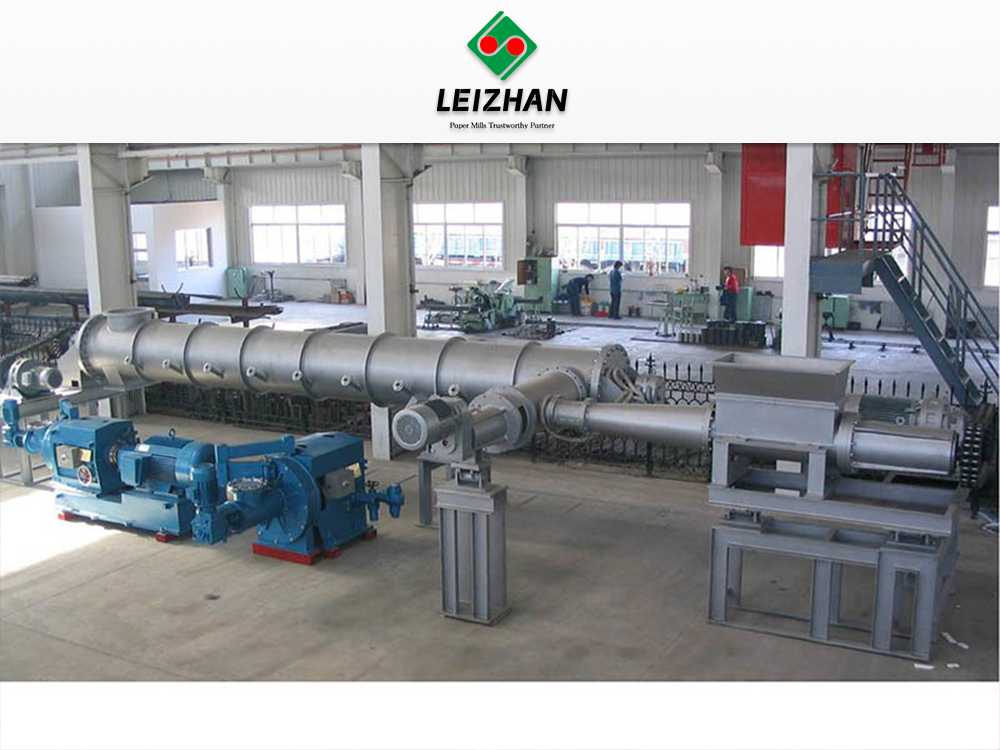
Key Operational Variables for Optimal Dispersion
Pulp Consistency Requirements
Effective shear demands high pulp consistency. Operators must maintain the feed at 25% to 30% consistency or higher. At low consistencies, excess water acts as a lubricant. The fibers simply slip past each other, and the discs fail to generate the necessary friction to disperse contaminants. High consistency forces fiber-to-fiber and fiber-to-metal friction. This dense environment ensures that the shear forces transfer directly into the softened sticky particles, tearing them apart efficiently. Maintaining this consistency requires constant monitoring of the upstream screw press torque and drainage rates.
Temperature Control and Dwell Time
Temperature settings must align with the specific sticky composition of the raw material. Higher temperatures are necessary for certain high-melting-point hot melts. Excessive heat wastes steam and risks damaging the fiber. Operators must balance temperature with dwell time in the heating screw using automated steam mixing valves and temperature sensors.
Dwell time dictates how long the pulp remains exposed to steam before entering the disperser. The heating tube must provide enough time for uniform heat distribution across the entire pulp mass. Retention times typically range from two to five minutes. If the dwell time is too short, the core of the pulp lumps remains cold, and the stickies inside will not soften. Proper calibration ensures complete thermal penetration without degrading inherent fiber strength.
Adjusting Disc Clearance
The gap between the static and rotating discs controls the intensity of the mechanical shear. Operators precisely calibrate this disc clearance using hydraulic or electromechanical gap adjustment mechanisms, typically setting it between 0.1 mm and 0.5 mm. Adjusting this gap involves a direct inverse relationship.
Reducing the disc clearance significantly improves the dispersion of sticky particles and ink specks. A tighter gap forces higher friction and smaller particle reduction. A narrow gap also increases electrical power consumption on the main drive motor. Running the gap too tight increases the risk of cutting the cellulose fibers, which degrades the tear and tensile strength of the final paper. Mill engineers must constantly monitor motor load in amps and adjust the clearance to find the optimal balance between contaminant breakdown and fiber preservation.
Evaluating a Waste Paper Pulp Disperser: Features to Outcomes
Disc Disperser vs. Kneader Systems (Decision Criteria)
When upgrading stock preparation lines, mills must choose between disc dispersers and kneader systems. Both handle high-consistency pulp, but their mechanical approaches differ fundamentally. A Waste Paper Pulp Disperser utilizes high-speed rotating discs with a narrow gap to deliver aggressive shear. Kneaders use slow-rotating shafts with interlocking flights to create gentle fiber-to-fiber friction.
Operational Comparison: Disc Dispersers vs. Kneader Systems
| Feature | Disc Disperser | Kneader System |
| Operating Speed | High speed (typically 1000 to 1500 RPM) | Low speed (typically under 200 RPM) |
| Gap Clearance | Narrow and adjustable (0.1 to 0.5 mm) | Wide and fixed |
| Primary Mechanism | High-shear mechanical tearing | Gentle fiber-to-fiber rubbing |
| Fiber Preservation | Moderate risk of fiber cutting | Excellent preservation of fiber length |
| Contaminant Breakdown | Aggressive reduction of micro-stickies | Moderate reduction, better for large flakes |
| Brightness Improvement | High (excellent ink dispersion) | Moderate |
Procurement teams must base their decision on end-product requirements. Disc dispersers are superior for aggressive breakdown of micro-stickies and ink, making them ideal for improving brightness in fine paper or high-grade packaging. Kneaders are chosen when preserving maximum fiber length is prioritized over absolute contaminant reduction, such as in testliner base plies.
Energy Consumption vs. Dispersion Efficiency Trade-offs
Thermal dispersion is an energy-intensive process. It requires significant steam for the heating phase and massive electrical power for the main disperser motor. Specific power consumption often ranges from 40 to 80 kWh per ton of pulp, depending on the gap setting and furnish type. Mill managers must evaluate this operational cost against the financial gains of reduced machine downtime and fewer paper defects.
Modern systems incorporate energy-recovery features to improve this balance. Advanced heating screws utilize closed-loop steam recovery to capture and reuse flash steam. When evaluating equipment, prioritize designs that offer precise motor load control and efficient steam mixing valves. The goal is to maximize dispersion efficiency per kilowatt-hour without over-treating the pulp.
Integration with Dilution, Post-Flotation, and Enzyme Treatments
Thermal dispersion does not vaporize stickies; it changes their physical size and state. Maximum sticky removal requires a holistic system integration. Immediately following the disperser, the high-consistency pulp drops into a latency chest for a critical post-dispersion dilution phase. White water is injected under heavy agitation to drop the consistency back to 4% or 5% for downstream processing.
Thermal dispersion alters the surface chemistry of the stickies. The intense heat and shear make these particles more hydrophobic and responsive to post-flotation removal. Many modern mills route the dispersed pulp directly into a secondary flotation cell to physically remove the micro-particles. Sequential addition of clean enzymes post-dilution helps pacify residual sticky particles. Esterase enzymes target the chemical bonds of the adhesives, preventing them from re-agglomerating as the pulp cools.
Equipment Durability and Metallurgy
The internal components of a disperser face extreme wear and tear. High-consistency friction combined with residual abrasive contaminants like sand, glass, and metal fragments quickly degrades standard metals. The metallurgy of the disperser discs directly impacts maintenance schedules and operational lifespan.
Evaluate equipment based on the hardness and composition of the disc alloys. Look for hardened stainless steel, high-chrome cast iron, or specialized wear-resistant alloys. Replaceable segment designs are highly recommended. Instead of replacing an entire massive disc, maintenance teams can swap out individual worn tooth segments. This modular approach minimizes maintenance downtime and significantly reduces replacement part costs.
Implementation Risks and Mitigation Strategies
Managing Fiber Degradation and Optical Properties
High heat and intense mechanical shear introduce the risk of fiber degradation. Running the system too hot or with too tight a gap causes fiber shortening, which weakens the final sheet and causes a drop in Canadian Standard Freeness (CSF). Exposing certain mechanical pulps to high temperatures causes heat yellowing, resulting in a drop in ISO brightness.
Mitigation requires precise control and chemical intervention. Operators must strictly monitor the temperature to avoid exceeding the necessary softening point of the target stickies. To counteract heat yellowing, mills integrate bleaching agents directly into the heating phase. Injecting hydrogen peroxide, along with sodium silicate, caustic soda, and chelating agents like DTPA, into the heating screw utilizes the high temperature to accelerate the bleaching reaction. This preserves or enhances the optical properties of the pulp during dispersion.
Mitigating High Steam and Power Costs
The financial risk of operating a high-energy system is substantial. Inefficient operation quickly erodes the profitability of using cheaper waste paper furnishes. Heating excess water instead of fiber is the most common source of wasted energy.
Mitigation starts at the thickening stage. Optimizing the screw presses ensures the pulp reaches the strict 30% consistency target, meaning the steam heats fiber, not excess water. Implementing variable frequency drives (VFDs) on the main disperser motor allows operators to adjust power draw based on real-time furnish conditions. If a specific batch of waste paper contains fewer stickies, the VFD can reduce motor speed, saving electricity while maintaining adequate dispersion.
System Footprint and Retrofitting Challenges
Adding a thermal dispersion system to an existing stock preparation line presents significant spatial challenges. The equipment requires a large footprint. You must accommodate the inclined thickener, the heavy-duty screw press, the plug screw feeder, the long heating tube, the disperser unit itself, and a dedicated motor control center (MCC).
Retrofitting requires careful 3D spatial planning and structural engineering. The floor must support the extreme weight and dynamic vibration loads of the high-speed disperser. Mills often need to build elevated platforms to allow gravity to assist the flow of thick stock between the thickening equipment and the heating screw. Proper layout planning prevents bottlenecks and ensures maintenance teams have safe access to change the heavy disperser discs using overhead cranes.
Conduct a comprehensive pulp audit to identify the specific types of micro-stickies and visible impurities in your current raw material.
Request pilot-scale dispersion tests from equipment manufacturers using samples of your specific waste paper furnish.
Evaluate your current boiler and steam capacity to ensure it can support the high-temperature demands of a thermo-mechanical treatment phase.
Inspect the metallurgy and segment design of proposed disperser discs to guarantee long-term wear resistance against abrasive contaminants.
FAQ
Q: What is the ideal temperature for a disc heat dispersing system?
A: The ideal temperature typically ranges from 85°C to 120°C. The exact setting depends on the system type, whether atmospheric or pressurized, and the specific melting point of the target contaminants. Higher temperatures are required for certain synthetic hot melts, while lower temperatures suffice for basic waxes.
Q: How does a waste paper pulp disperser differ from a kneader?
A: Dispersers use high-speed rotating discs with a narrow, adjustable gap to generate high shear, effectively shredding micro-stickies and ink. Kneaders operate at low speeds using interlocking shafts to create gentle fiber-to-fiber friction, which preserves fiber length but offers less aggressive contaminant breakdown.
Q: Can thermal dispersion completely eliminate stickies?
A: No, thermal dispersion does not vaporize or remove stickies from the pulp mass. It disperses them to a microscopic size under 0.05 mm that prevents them from agglomerating on the paper machine. Actual removal requires downstream dilution and secondary flotation.
Q: What is the optimal pulp consistency for heat dispersion?
A: The optimal pulp consistency is between 25% and 30%. High consistency is mandatory to create the dense fiber matrix needed for intense mechanical friction. Lower consistencies cause fibers to slip, drastically reducing the shear force required to break down stickies.
Q: How does disc clearance affect final paper quality?
A: A narrower disc clearance increases shear friction, which improves the breakdown of stickies and ink, leading to a cleaner, brighter sheet. However, if the gap is too tight, it risks cutting the cellulose fibers, which reduces the tear and tensile strength of the paper.
Q: Why do mills add bleaching agents during thermal dispersion?
A: High temperatures during thermal dispersion can cause heat yellowing, which lowers the pulp's ISO brightness. Adding bleaching agents like hydrogen peroxide directly into the heating phase utilizes the high heat to accelerate the bleaching reaction, counteracting the yellowing effect and improving optical properties.


